Influencer Marketing for Long Sales Cycles: Planning and Measuring Creators When Buyers Take Months
How to use creators when buyers take weeks or months to decide: B2B software, property, cars, education and financial products. What creators do at each stage, educating a new category, tracking leads through the CRM, cost per qualified lead and when to judge results.
Some purchases take months: business software, an apartment, a car, a degree, an insurance policy. A creator post won't close those sales on its own, and judging it on sales in the first two weeks will make it look like a failure. This guide covers what creators can realistically do in a long sales cycle and how to measure it.
Quick answer
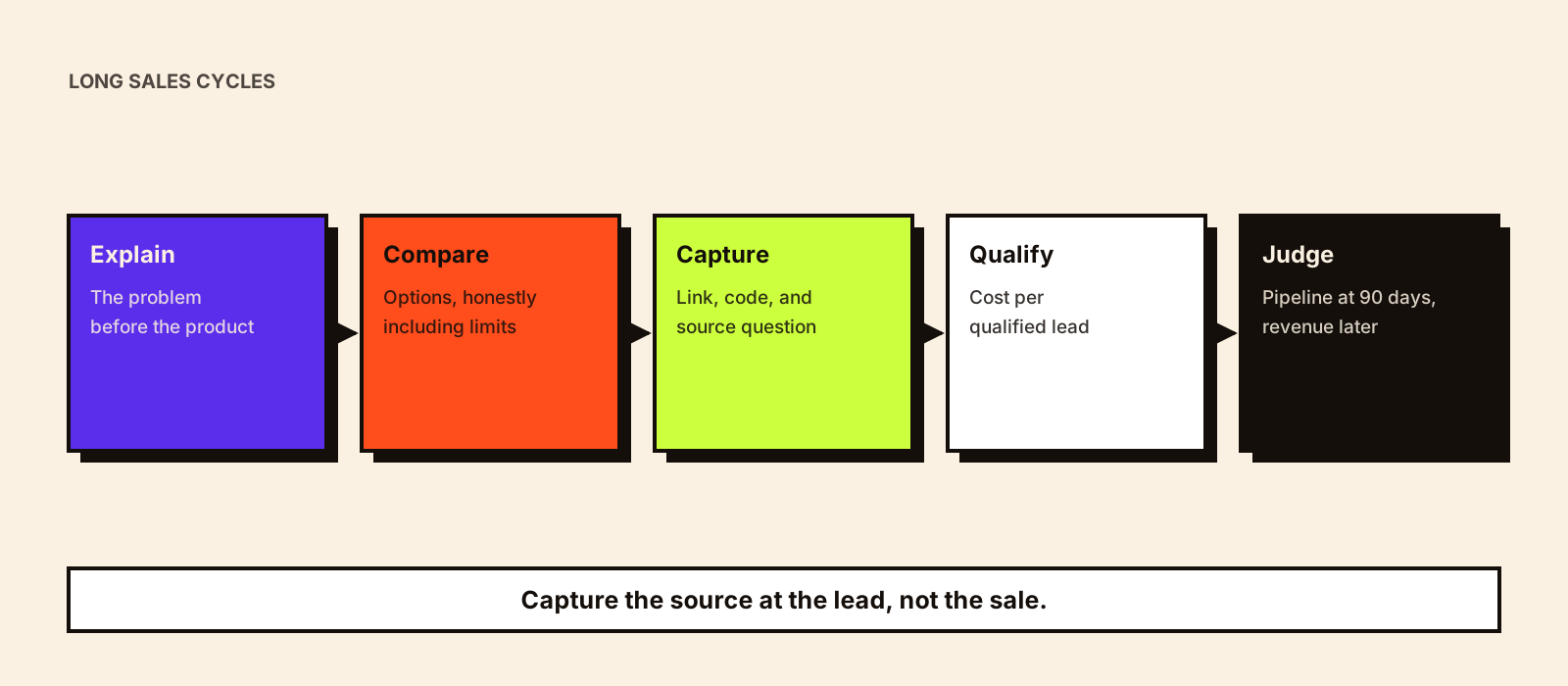
In long sales cycles, use creators to explain the problem, help buyers compare options and earn a first conversation, such as a demo, site visit or consultation. Capture the creator source when the lead is created and store it in your CRM, because analytics tools may stop crediting the visit before the sale closes. Judge early results on qualified leads and cost per qualified lead, and judge revenue on cohorts after a full sales cycle.
What creators do at each stage
| Stage | Creator role | Signal to track |
|---|---|---|
| Problem aware | Explain the problem and why it matters | Views by the right audience, saves, comments with questions |
| Researching | Compare approaches honestly, including when your product isn't the right fit | Visits to comparison or pricing pages |
| Shortlisting | Demonstrate, answer objections, show real use | Demo, visit or brochure requests |
| Deciding | Reassurance from people like the buyer | Qualified leads, sales conversations |
| After purchase | Onboarding tips, community | Retention, referrals |
When the category itself is new
If buyers don't know your category exists, such as a new kind of financial product or a new device type, start further back. Ask creators to explain the problem before the product, compare the new approach with what people do today, and address myths and risks directly. Expect this to take several posts per creator over months. In regulated categories, claims need checking against the rules; see influencer marketing compliance.
Capture the source at the lead, not the sale
Google Analytics only credits visits within its lookback window: 90 days by default for most key events, with 30 or 60 days as alternatives. A buyer who first saw a creator six months before signing may not be credited to that creator. So record the source when the lead is created: a hidden field filled from the tracking link, a creator code and a 'how did you hear about us' question. Store it in the CRM so it travels with the lead to the sale.
Cost per qualified lead
Cost per qualified lead = total creator cost ÷ leads that meet your qualification rules. Agree the rules with sales before the campaign, such as budget, timeline and fit. Hypothetical example: a SaaS company spends ₹6,00,000 on fees, production and management for four LinkedIn creators. They produce 300 sign-ups, of which 60 meet the qualification rules. Cost per lead is ₹2,000, but cost per qualified lead is ₹10,000. Compare that with your other channels' cost per qualified lead, then track how many of those 60 reach a proposal and a sale.
When to judge results
| Read | What to judge |
|---|---|
| First 30 days | Reach in the right audience, leads, qualified lead rate, cost per qualified lead |
| 90 days | Pipeline: demos, visits, proposals by creator source |
| After one full sales cycle | Closed revenue and customer quality by creator cohort |
Our guide to influencer marketing for lead generation covers landing pages, forms and lead routing; influencer customer quality covers how to compare customers from creators with customers from other channels.
Common mistakes
- Judging a six-month purchase on two weeks of sales
- Counting sign-ups instead of qualified leads
- Losing the creator source when the lead moves into the CRM
- One post per creator, when buyers need to see an idea several times
- Choosing creators for reach rather than credibility with the buyer
Conclusion
Creators can shorten a long sales cycle by educating buyers and earning first conversations, but only a CRM that remembers the source can prove it. Agree the qualification rules, capture the source at the lead and give the program a full cycle before deciding. B2B specifics are in influencer marketing for B2B companies in India.