Influencer Marketing for a Rebrand or Repositioning: How to Bring Creators and Audiences With You
How to use creators when a brand changes its name, look or position: testing the new positioning first, choosing and briefing creators, handling old content, links and codes, sequencing the reveal, responding to backlash and measuring whether the change is landing.
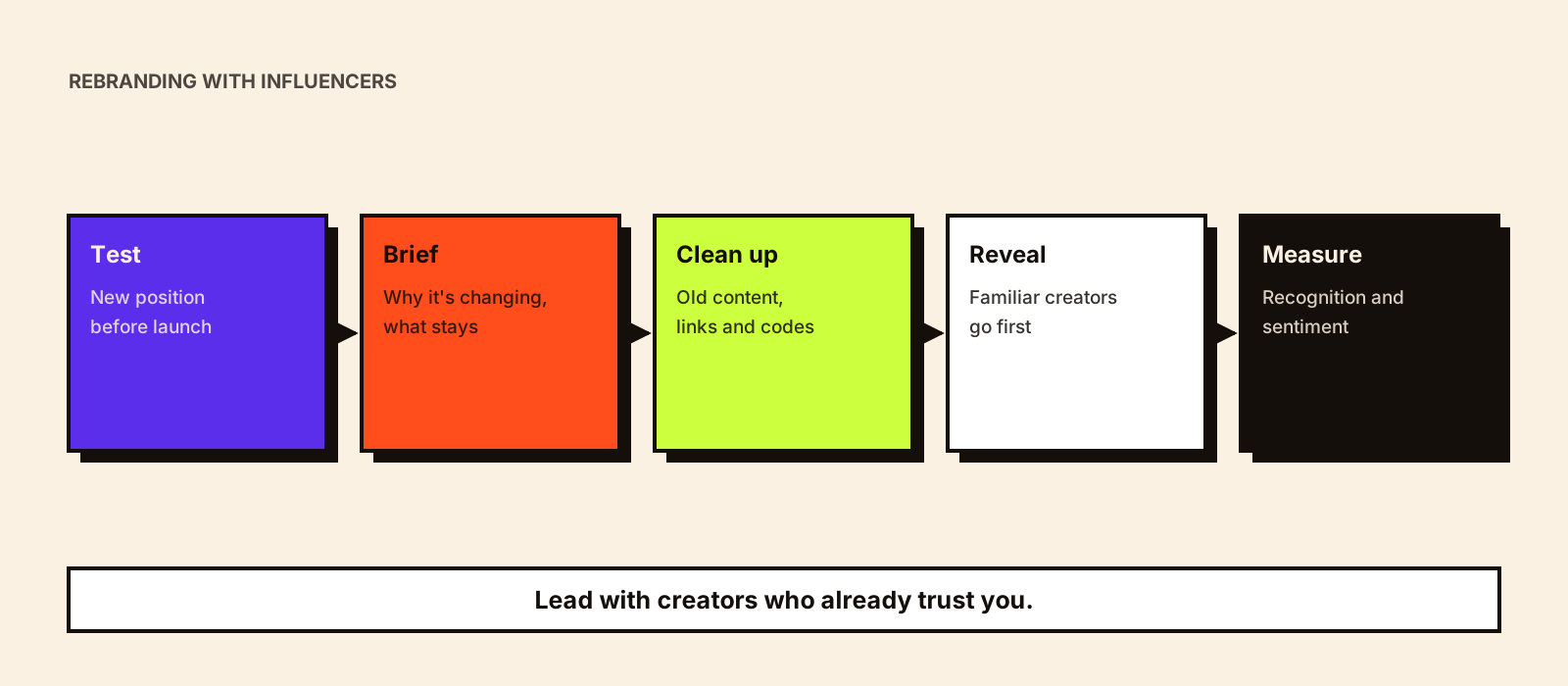
A rebrand changes how a brand looks or what it's called; a repositioning changes what it stands for or who it's for. Either way, the people who already follow your creators knew the old version. Creators can help the change make sense to them, or they can make it look forced. This guide covers how to plan for the first outcome.
Quick answer
Test the new positioning with a few creators and their audiences before the launch. Start with creators who already like the brand, explain why the change is happening, and let them describe it in their own words. Update or retire old creator content, links, codes and ads that use the old name or look. Reveal in stages, respond to questions openly, and measure recognition of the new name and sentiment, not just reach.
Rebrand or repositioning?
| Change | What creators need to do | Main risk |
|---|---|---|
| New name or logo only | Make the new name familiar and connect it to the old one | People think it's a different company |
| New look and tone | Show the brand in the new style | Old creators no longer fit |
| New audience or price point | Reach new people credibly | Losing existing customers |
| New category or purpose | Explain what the brand now does | Confusion about what you sell |
Test the positioning first
- Brief two or three trusted creators under NDA on the new positioning and ask for honest reactions
- Run organic posts that test the new message without the new name, and compare comments and saves with your usual content
- Test two or three versions of the core line as paid creator ads, and look at what people say, not only click rates
- Read comments for the words people use to describe the brand; if they don't match the new position, the position needs work
These are signals, not proof. Combine them with customer research, and see influencer sentiment analysis for how to read comments systematically.
Choosing and briefing creators
Start with creators who have already championed the brand: their audiences trust the recommendation and will accept a change from them. Add creators who fit the new position if it targets a new audience. IAB Australia's September 2026 creator research found that Australians weigh the reputation of the promoted brand (86%) and a creator's own expertise (84%) most before acting on a recommendation, which is a reminder that a rebrand can't borrow credibility the brand hasn't earned. Brief the reason for the change, what stays the same, the words to use and avoid, and the reveal date.
Clean up the old
- List live creator content with the old name or logo, and decide which to leave, update or remove
- Update link-in-bio links, affiliate links and discount codes so they still work
- Pause or replace creator ads running with the old branding
- Check usage rights before editing creator content into new ads
- Tell ambassadors and affiliates before the public announcement
Usage terms decide whether you can edit or keep running a creator's content; see influencer usage rights.
Sequencing the reveal
| Phase | Creator content |
|---|---|
| Before | Nothing public; briefings under NDA |
| Reveal | Long-standing creators share the change and the reason in their own words |
| Explain | What's different, what isn't, answers to common questions |
| Prove | The product or service delivering on the new promise |
Handling backlash
Some audiences dislike change. Prepare answers to likely questions, monitor comments on creator posts, and let creators reply in their own voice instead of pasting scripted statements. If criticism is about a real problem, such as price or quality, fix or explain it; creators shouldn't be asked to defend something they don't believe. Paid partnerships still need disclosure during a rebrand; ASCI's guidance sets the expectations in India.
Measuring the change
- Brand search for the new name, and searches combining the old and new names
- Comment sentiment and the words people use to describe the brand
- Recognition of the new name in a short survey, before and after
- Sales and retention among existing customers
Common mistakes
- Revealing through new creators the audience doesn't know
- Scripting every word of the announcement
- Leaving old links and codes broken
- Treating reach as proof the new position landed
Conclusion
Creators can carry a rebrand when the change is real, explained and tested first. Lead with the creators who already trust you, clean up the old assets and measure whether people understand the new brand. Awareness planning for the new name is covered in influencer marketing for brand awareness.