Co-Branded Creator Products: How to Launch a Product or Bundle With a Creator
How brands develop co-branded products, limited editions and bundles with creators: choosing the right creator, deal structures from flat fees to royalties, who controls what, product quality and claims, launch planning and the mistakes that sink collaborations.
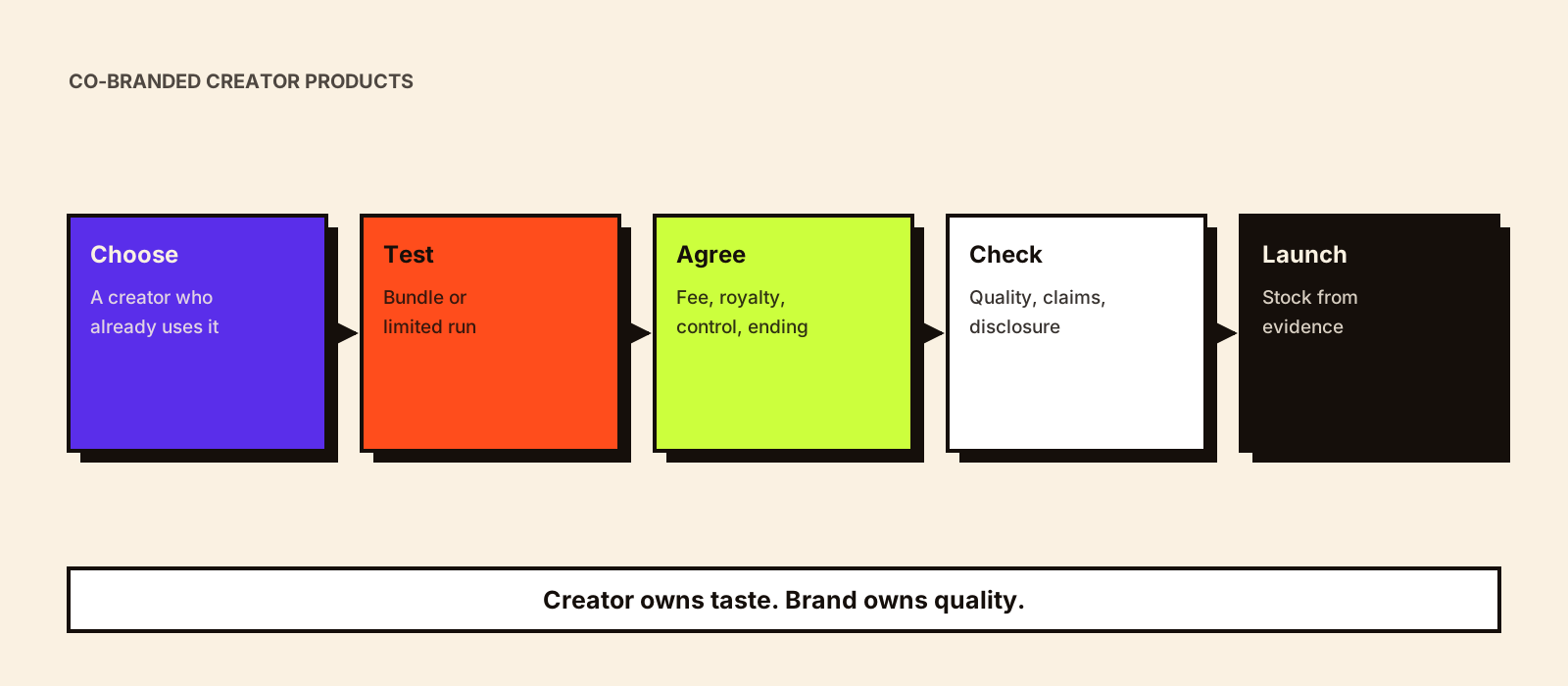
A co-branded product goes further than a sponsored post: the creator's name, taste or community shapes the product itself. Done well, the launch has an audience before it exists. Done badly, the brand owns unsold stock with a creator's face on it. This guide covers how brands structure these partnerships, from a curated bundle to a full product line.
Quick answer
Start with a creator who already uses and likes your products, and whose audience asks about them. Agree in writing who controls the product, name, design, manufacturing, pricing and claims, how the creator is paid (flat fee, royalty or a mix), how long the product can be sold and what happens if either side walks away. Test demand with a limited run or bundle before committing to a full line, and check that every claim on pack and in posts can be proven.
Bundles, editions and full products
| Option | What it involves | Risk |
|---|---|---|
| Curated bundle | The creator picks existing products into a set | Low: no new stock |
| Limited edition | A new variant, shade, flavor or design of an existing product | Moderate: one production run |
| Co-developed product | A new product designed with the creator | Higher: development time, minimum order quantities |
| Ongoing line | Several products under a shared name | Highest: long-term dependence on one creator |
Bundles are a sensible first step: they test whether the creator's audience buys before anyone designs packaging. Merchandising the bundle on your own site, with the creator's content on the product page, also shows whether their recommendation converts people who don't follow them.
Choosing the creator
- Genuine use: they bought or used your products before any deal
- Audience demand: followers already ask where to buy or what they use
- Purchase evidence: past affiliate or code sales, not just engagement
- Business capacity: time to take part in development and launch, or a team that can
- Reputation: a full brand-safety check, because the product carries their name for years
Creators who run their own businesses (creator-entrepreneurs) bring product instincts and expect a bigger say and a bigger share. Treat them as business partners, with a proper commercial negotiation, not as a sponsored post with extra steps.
Deal structures
| Structure | How it works | Suits |
|---|---|---|
| Flat fee | Fixed payment for design input, name use and promotion | Bundles and limited editions |
| Royalty | A percentage of net sales, defined clearly (after returns, discounts and tax) | Products the creator will keep promoting |
| Fee plus royalty | A smaller guaranteed fee with a royalty on top | Most co-developed products |
| Equity or joint venture | Shared ownership of a product company | Rare; needs legal and tax advice |
Whatever the structure, the contract should cover name and likeness use, territories, the sales period and sell-off of remaining stock, promotion commitments, exclusivity with competing products, approval rights, reporting of sales to the creator, and what happens if the creator's reputation or the product runs into trouble. Standard clauses are in the influencer marketing contract guide, and exclusivity terms in influencer exclusivity.
Who controls what
A reported example shows a common split. Net Influencer described in October 2026 how the fragrance brand Kaer developed a perfume oil with a creator who had used its products before any deal: the creator had creative control over the scent direction and name and asked her audience for input, while the brand kept control of formulation and manufacturing, and the process took about a year. The sales figures in that article are the brand's own and aren't a benchmark, but the division of control is a useful model: the creator owns taste and voice, and the brand owns safety, quality and supply.
Quality, claims and compliance
- The brand stays responsible for product safety, labelling and regulatory approvals in each market
- Every claim on pack, on the product page and in creator posts needs evidence
- The creator's promotion is still advertising and must be disclosed, even though their name is on the product
- Sector rules apply as usual: cosmetics, supplements, food and children's products often need more checks
- Agree who answers customer complaints and how the creator is told about quality issues
Planning the launch
- Build anticipation with the creator's audience during development, without promising dates you can't meet
- Set stock levels from evidence (bundle sales, waitlist sign-ups), not hopes
- Prepare the product page, creator content and customer service before launch day
- Track sales by channel: creator link, code, direct and retail
- Plan what happens after the launch spike: restocks, new content, or a planned end
Launch sequencing is covered in influencers for product launches, and Gulf-specific drops in creator-led product drops in the GCC.
Common mistakes
- Choosing a creator for reach rather than genuine use of the product
- Royalties on an undefined 'sales' figure
- No plan for unsold stock or the end of the partnership
- Over-ordering stock before demand is tested
- Letting the creator's involvement end at the photo shoot
Conclusion
Co-branded products work when the creator genuinely shapes the product, the audience already wants it and the deal is clear about money, control and endings. Start small with a bundle or limited edition, prove demand, then build. This is general guidance, not legal or tax advice.