Creator Talent Management: How to Manage Creators and a Roster Professionally
How talent managers work with creators day to day and keep them: the talent lifecycle, onboarding, communication rhythms, career planning, deal handling with consent, protecting creators' interests, roster balance, conflicts, capacity per manager, why creators leave agencies and how to retain them.
A talent manager's job is to make a creator's career better than it would be without them: more suitable deals, better terms, less admin and fewer mistakes. That depends as much on how you work with each person as on your brand contacts.
Quick answer
Manage creators with a structured onboarding, a regular communication rhythm, a written plan for each creator's goals, deals shared with full terms and accepted only with the creator's consent, and strong protection of their interests on rates, rights and brand fit. At roster level, balance categories and sizes, manage conflicts between creators openly, keep each manager's roster to a size they can service well, review each creator's results quarterly and part ways professionally when the fit ends. Creators stay when they're paid promptly and transparently, see real opportunities, feel heard and are helped to grow.
The talent lifecycle
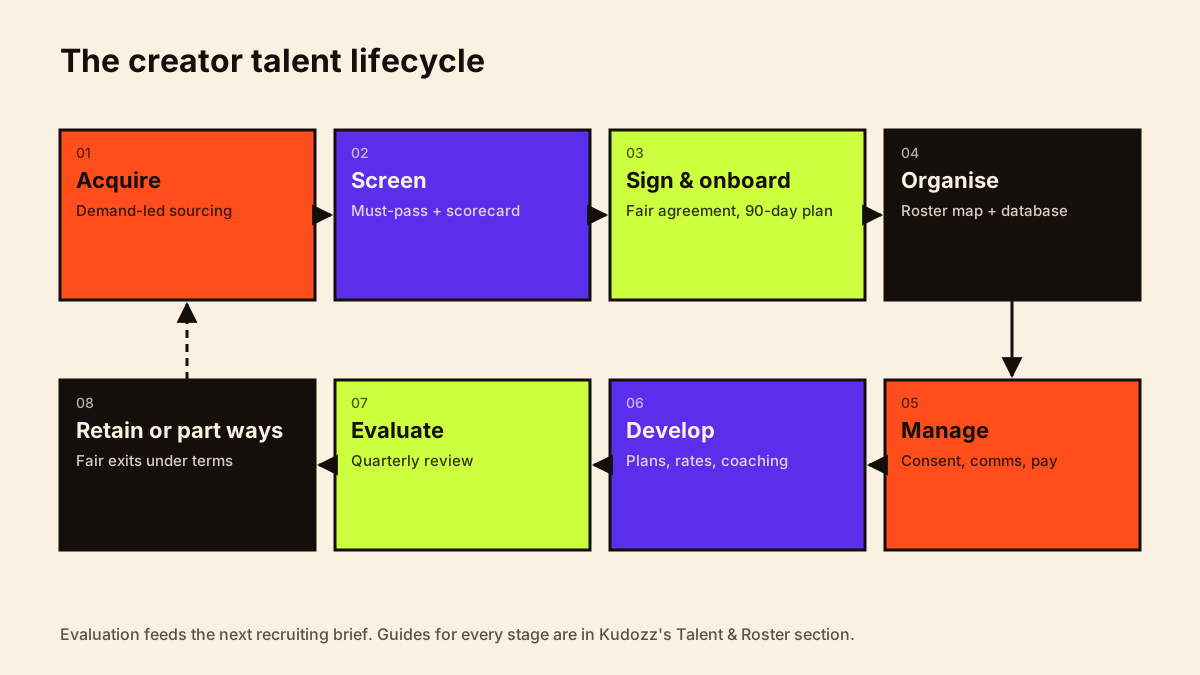
This is the pillar guide for Kudozz's talent and roster section. Each stage has its own guide: creator talent acquisition, creator talent screening, creator roster strategy, creator talent database, creator talent development and creator roster evaluation.
Onboarding a new creator
- Understand their goals, values, categories they won't promote and their capacity.
- Review audience data, past deals, rates and any existing commitments or exclusivities.
- Agree how decisions are made: which deals need approval, response times, who speaks to brands.
- Set up access properly (shared documents, role-based access where needed), never their passwords.
- Update or create their media kit, rate card and case studies.
- Agree the first 90-day plan.
Communication rhythm
| Cadence | What happens |
|---|---|
| As deals arrive | Opportunity shared with brief, fee, usage, exclusivity and timeline |
| Weekly | Short update: pipeline, deliverables due, payments |
| Monthly | Call on performance, upcoming campaigns and concerns |
| Quarterly | Review against goals; adjust rates and plans |
Deals with consent and full information
Share every opportunity with the full terms, including fee, deliverables, usage rights, exclusivity and payment terms, and get the creator's agreement before accepting. Never commit a creator to something they haven't approved, even if your agreement technically allows it. Push back on terms that harm them: perpetual usage for a one-off fee, broad exclusivity, unrealistic timelines. Contract points to watch are in the influencer contract guide for creators.
Career planning, not just deal flow
The best managers help creators build durable businesses: better rates over time, long-term brand partnerships, owned audiences, and sometimes products or services. Write a simple plan for each creator with goals for the year, target brands and categories, rate goals and what to avoid. Revisit it quarterly.
Long-term brand relationships are covered in creator brand partnerships, and rate increases in how to raise creator rates.
Managing the roster
Balance
A roster balanced across categories, sizes and languages gives brands more options and protects the agency if one category slows. Too many similar creators compete for the same briefs.
Conflicts
When two creators on the roster fit the same brief, be transparent: share the opportunity fairly, explain how creators are recommended, and never hold back one creator to benefit another without telling them.
Capacity
Each manager can only service so many creators well; the number depends on deal volume and how much support each creator needs. Track hours per creator and response times, and hire before service quality slips.
Adding and removing talent
Add creators where you have demand from brands, not just because they approached you. Review each creator's results and working relationship quarterly, and if the fit isn't working, say so early and follow the agreement's exit terms fairly. The quarterly review process is in creator roster evaluation.
A roster tracker
Creator | Platforms and size | Categories | Languages | Won't promote | Current exclusivities |
Rate card date | Deals this quarter | Revenue this quarter | Hours spent | Next review | Notes
Protecting creators
- Vet brands and check claims before recommending deals; see creator brand safety.
- Make sure disclosure is correct on every sponsored post.
- Pay creators promptly once brands pay, with clear remittance details.
- Support creators during backlash or harassment, and escalate serious threats.
- Respect their boundaries on workload, categories and personal life.
Vetting: creator brand safety.
Behind good management sit solid systems for campaigns, money flow and compliance; see creator agency operations. To grow the brands your roster works with, see creator agency client acquisition.
Talent retention: why creators leave, and how to keep them
| Why creators leave | What keeps them |
|---|---|
| Late or unclear payments | Prompt payouts with a statement for every deal; early warning when a brand pays late |
| Not enough relevant work | Honest expectations at signing; a pipeline shared openly; development when demand is low |
| Feeling like one name on a list | A named manager, a regular rhythm and a written plan for their goals |
| Favouritism on the roster | Transparent brief allocation and conflict handling |
| Deals that don't fit their values | Categories they won't promote respected every time |
| Outgrowing the agency | Senior attention, bigger partnerships, help with products or licensing |
| Restrictive agreements | Fair terms, reasonable exit and time-limited post-term commission |
- Ask each creator, at every quarterly review, what would make the relationship better, and act on one thing.
- Share wins: brands that asked for them again, rate increases, audience growth.
- Invest in development, not only deal flow; see creator talent development.
- Watch early signs: slower replies, declined briefs, questions about the agreement's end date.
- Never hold creators through pressure or unclear terms; it damages the agency's reputation with every creator it hopes to sign next.
Development plans: creator talent development. Fair agreement terms: creator contracts.
Common mistakes
- Accepting deals without the creator's explicit approval.
- Sharing only the fee, not usage and exclusivity terms.
- Signing more creators than managers can service.
- Favouring some roster creators without transparency.
- Holding creators to agreements through pressure instead of results.
Conclusion
Professional talent management means informed consent on every deal, active protection of the creator's interests, a plan for their career and honest roster management. Creators stay with managers who make their business better, and brands keep booking agencies whose creators deliver.