How to Find Brands to Collaborate With as a Creator
Where to find brands that actually pay creators, how to tell which ones are a fit, and a weekly prospecting routine you can run in a couple of hours.
The hardest part of pitching isn't writing the email. It's knowing who to write to. The good news: brands that already work with creators leave visible traces, and once you know where to look, a steady list of prospects is a weekly habit rather than a guessing game.
Quick answer
The easiest brands to find and convert are those already paying creators in your niche. Find them through Instagram's paid partnership labels, sponsored segments in YouTube videos in your category, creators similar to you, product launches, D2C and regional brands, creator marketplaces (including Instagram's own), and influencer and PR agencies. Track them in a simple spreadsheet and set aside time each week to research, pitch and follow up.
1. Brands already working with creators
A brand that has paid creators before has a budget line, an approval process and someone whose job includes replying to you. Look for:
- "Paid partnership with [brand]" labels on Instagram posts and Reels in your niche.
- YouTube videos marked "Includes paid promotion" and sponsored segments in your category.
- Brands reposting creator content on their own profiles, or running creator-style ads (check Meta's Ad Library for active ads).
- Discount codes attached to creators' names in captions and bios.
2. Competitor and peer creator campaigns
Make a list of 10 to 20 creators slightly bigger than you in the same niche. Every brand that sponsors them is a prospect for you, because the brand has already decided your kind of audience is valuable. Note which formats the brand bought and roughly when, so your pitch can reference their pattern.
3. Instagram research
- Search niche hashtags and keywords, then check which brands are tagged in top posts.
- Look at who follows and comments on your own content; brands and their social managers often do.
- Check the tagged tab on brand profiles to see which creators they work with and at what size.
- Instagram's creator marketplace lets eligible creators in supported countries, including India, be discovered by brands and receive partnership messages. Keep your professional account details and interests up to date so you appear in relevant searches.
Meta announced the creator marketplace's expansion to India in 2024; see Meta's announcement for the original details, and check your professional dashboard for what's currently available to your account, as features and eligibility change.
4. YouTube research
- Search your niche plus "review" or "sponsored" and note recurring sponsors.
- Check description boxes for sponsor links and codes.
- Note which brands sponsor videos similar in size and format to yours.
YouTube also has its own marketplace. YouTube Creator Partnerships, which brought BrandConnect into one platform, is available to eligible creators in India who are in the YouTube Partner Program, at least 18 and without active Community Guidelines strikes. It lets brands find you, and gives you a media kit, enquiry management and rate preferences in YouTube Studio. Check YouTube's help page for current eligibility.
5. LinkedIn
Search for job titles like "influencer marketing manager", "creator partnerships" or "brand manager" plus the brand name. LinkedIn is also where brands post about launches and campaigns, and where B2B, fintech and SaaS brands look for credible creators.
6. Creator marketplaces and platforms
Several Indian and global platforms list campaigns creators can apply for. Quality varies. Use them as one source among many, read their terms (especially on fees and payment timelines), and never pay to be "selected" for a campaign. More on red flags in how to spot fake brand collaboration offers.
7. Influencer and PR agencies
Many brands run creator campaigns through agencies, and agencies are always looking for reliable creators in specific niches and cities. Agencies that maintain a creator network usually have an application process. Kudozz, for example, runs campaigns for brands and has a creator application on the For Creators page. PR agencies also run product seeding and launch events for their clients, which can be a starting point for paid work.
8. D2C, local and regional brands
- D2C brands: often founder-led, creator-first in their marketing, and quicker to say yes than large corporates.
- Local businesses: cafes, salons, gyms, boutiques and clinics in your city. Good for first paid deals and for building a portfolio.
- Regional brands: brands strong in your state or language market, particularly FMCG, education, fashion and food.
9. Product launches and events
Launch announcements on LinkedIn, startup news, crowdfunding pages and brand newsletters tell you who will need creators soon. Industry events, pop-ups and brand launches in your city are where you can meet marketing teams in person.
10. Creator communities
Creator WhatsApp groups, Discord servers and meetups share leads and warn each other about bad actors. Contribute as well as take, and verify any opportunity yourself before acting on it.
How to qualify a brand before pitching
| Question | Good sign | Caution sign |
|---|---|---|
| Does their customer overlap with my audience? | Same age, cities, language, interests | You'd need to explain why it fits |
| Do they pay creators? | Paid partnership labels, creator ads, agency involvement | Only gifting, only "exposure" |
| Would I use the product? | Yes, already do | You'd be promoting something you don't trust |
| Is the brand legitimate? | Real website, reviews, GST details, active socials | No verifiable presence, pressure tactics |
| Is the timing right? | Launch, season or campaign coming up | Just finished a big campaign with your peers |
A weekly brand-prospecting workflow
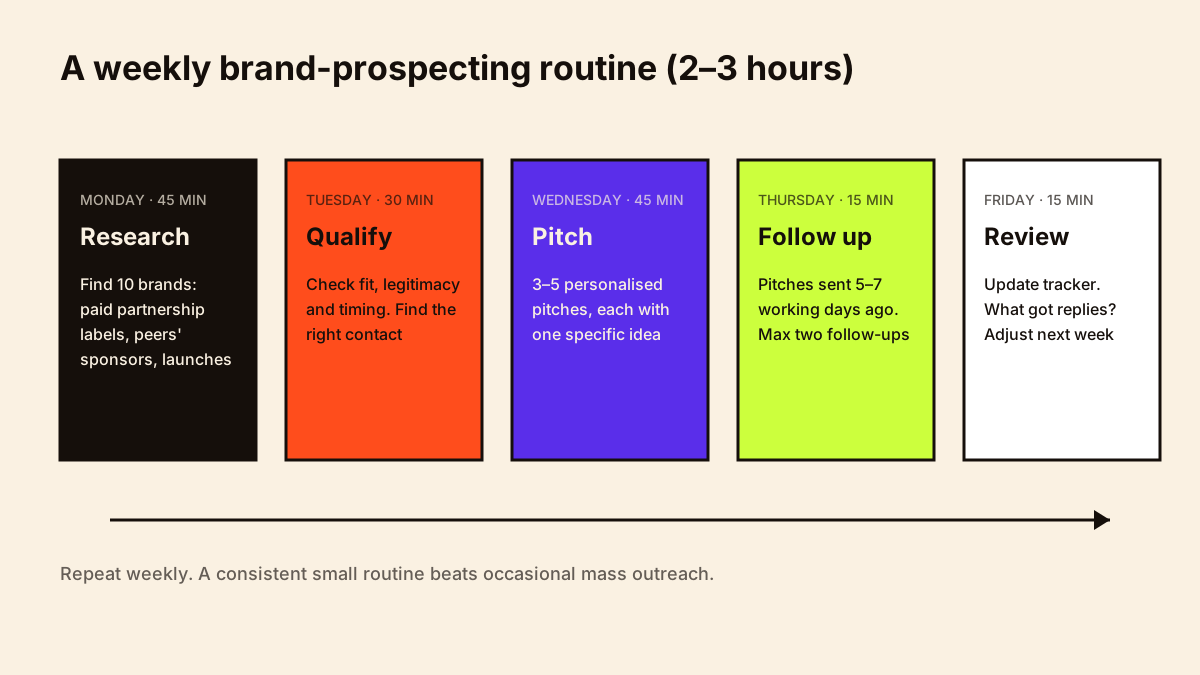
MONDAY — RESEARCH (45 min)
Find 10 brands via paid partnership labels, peer creators' sponsors, YouTube sponsors and launch news. Add them to your tracker.

TUESDAY — QUALIFY + CONTACTS (30 min)
Check fit, legitimacy and timing. Find the right person on LinkedIn or the brand's collaboration email.

WEDNESDAY — PITCH (45 min)
Send 3–5 personalised pitches, each with one specific idea.

THURSDAY — FOLLOW UP (15 min)
Follow up on pitches sent 5–7 working days ago. Close out anything past two follow-ups.

FRIDAY — REVIEW (15 min)
Update the tracker. Which pitches got replies? Which niches, formats or subject lines worked?
Brand | Category | Why it fits | Evidence they pay creators | Contact name + role | Channel (email/DM/LinkedIn) | Date pitched | Follow-up 1 | Follow-up 2 | Status | Notes
Once you have a list, turn to how to pitch brands as a creator and the brand collaboration email templates to write the messages.
On Instagram, brands also search for creators through Meta's tool; see Instagram Creator Marketplace. On YouTube, see YouTube Creator Partnerships.