Influencer Marketing Agency Checklist: What to Check Before Signing a Contract
What brands should check before signing with an influencer marketing agency: scope and deliverables, fees and payment flow, creator contracts, usage rights and content ownership, disclosure and claims responsibility, reporting, data, confidentiality and exit terms, with an interactive checklist.
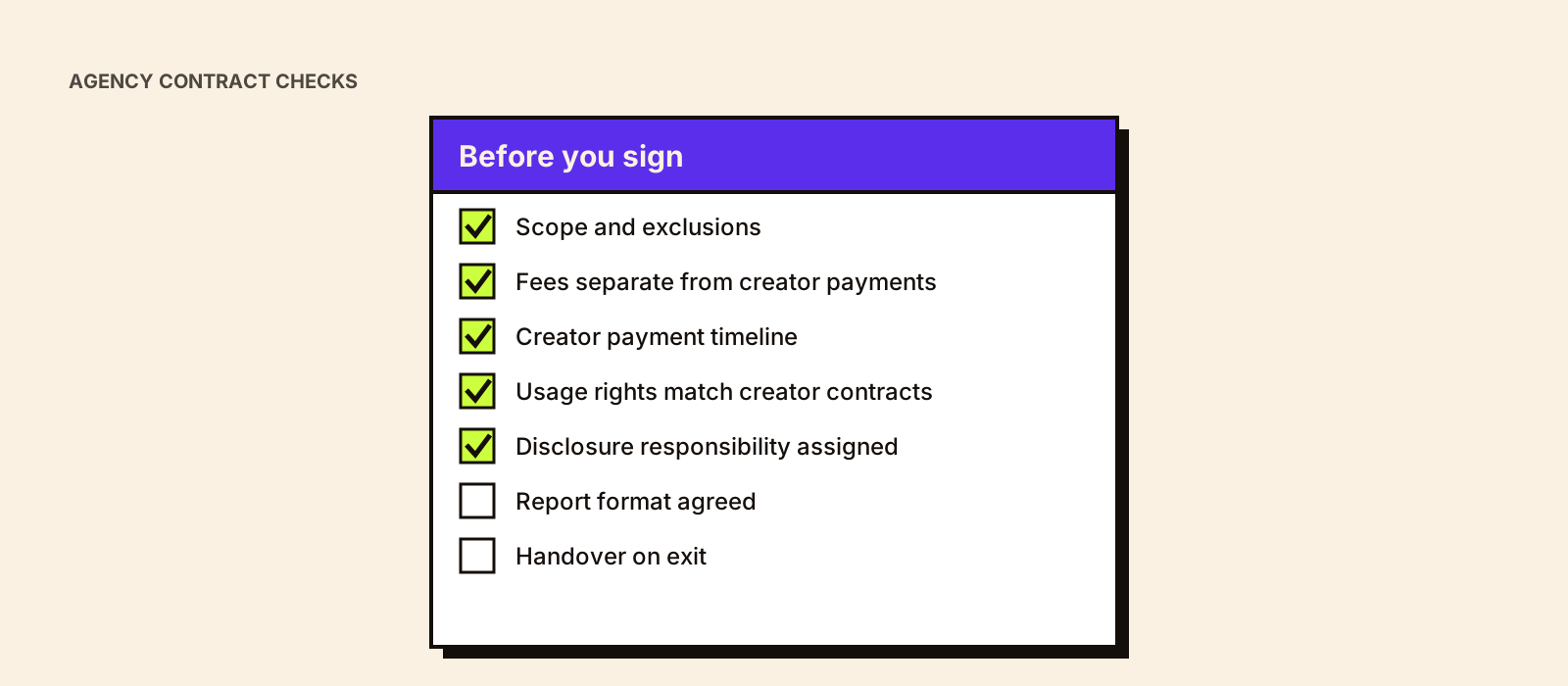
Most disagreements between brands and influencer agencies trace back to something the contract didn't say: whether a replacement creator was included, who owns the content, how quickly creators get paid, what the report would contain. The pitch is the time for ideas; the contract is the time for specifics.
This checklist covers the agreement between a brand and its agency. Contracts between the brand (or agency) and individual creators are covered in influencer marketing contracts. This is general information, not legal advice; have your lawyer review the agreement.
Quick answer
Before signing with an influencer marketing agency, check that the contract or statement of work defines scope and deliverables, fees and what they include, how and when creators are paid, who contracts creators, usage rights and content ownership, responsibility for disclosure and claims, approval process and timelines, replacement and cancellation terms, reporting format and cadence, data and confidentiality, and term, notice and handover on exit.
Interactive checklist
Before you sign with an influencer marketing agency
0 of 19 in place
Tick each point once it's written into the contract or statement of work. Anything you can't tick is a question for the agency before signing, and the agreement should be reviewed by your lawyer.
Saved in this browser only. Nothing is sent to Kudozz.
Scope: the most important page
A statement of work should list what's included per campaign or per month: number of creators, platforms, deliverables, strategy work, content review, reporting and meetings. It should also list what's excluded: production, paid media, travel, extra campaigns. Anything not written is a future negotiation.
Money: fees, creator payments and GST
- Agency fee model and amount, with creator fees shown separately.
- Who pays creators: the brand directly, or the agency on the brand's behalf.
- If the agency pays creators: when, relative to when the brand pays the agency.
- Payment milestones and terms for the agency fee.
- GST treatment and TDS responsibilities for each payment; confirm with your finance team or CA.
Fee structures are explained in influencer marketing agency fees in India, and creator payment practices in influencer marketing payments.
Rights and ownership
Check who owns the content creators produce, what usage rights the brand gets (organic reposting, paid ads, website, duration, territory), and that the agency's contracts with creators actually grant those rights. A common problem: the brand's agreement with the agency promises ad usage, but the agency's contract with the creator only covered organic posting. Usage rights are explained in influencer usage rights.
Compliance responsibilities
Under ASCI's guidelines both advertiser and influencer are responsible for disclosure, and consumer protection rules apply to misleading claims. The contract should say who checks disclosure on every post, who approves product claims, and how regulated categories are handled. The brand remains responsible for its own product claims, so provide substantiation for anything creators are asked to say.
Reporting and data
- Report format, metrics and delivery date after each campaign.
- Access to raw data: live links, screenshots, creator-provided insights.
- Whether you receive creator contact details and contracts at the end.
- Confidentiality of your plans, pricing and customer data.
- Handling of personal data in line with India's DPDP framework as it's phased in.
Exit terms
Check the minimum term, notice period, what happens to campaigns in progress, and handover: content files, contracts, creator contacts and data. Agree that creators are paid in full for completed work whatever happens between brand and agency.
Common mistakes
- Signing a proposal instead of a statement of work.
- Assuming usage rights granted to the brand match what creators agreed.
- No replacement or cancellation terms.
- No agreed report format.
- Long lock-ins without performance review points.
Conclusion
A good agency contract turns the pitch into specifics: scope, fees, payment flow, rights, compliance, reporting, data and exit. Run the checklist, fix gaps before signing, and have a lawyer review the agreement. If you haven't chosen yet, questions to ask an influencer marketing agency covers the conversation before the contract.