Influencer Marketing for Amazon and Flipkart Sellers: A Practical Playbook
How marketplace sellers in India can work with creators: when it's worth it, getting listings ready first, choosing creators, sending traffic to Amazon or Flipkart, tracking with Amazon Attribution and codes, reviews to avoid, and sale-event timing.
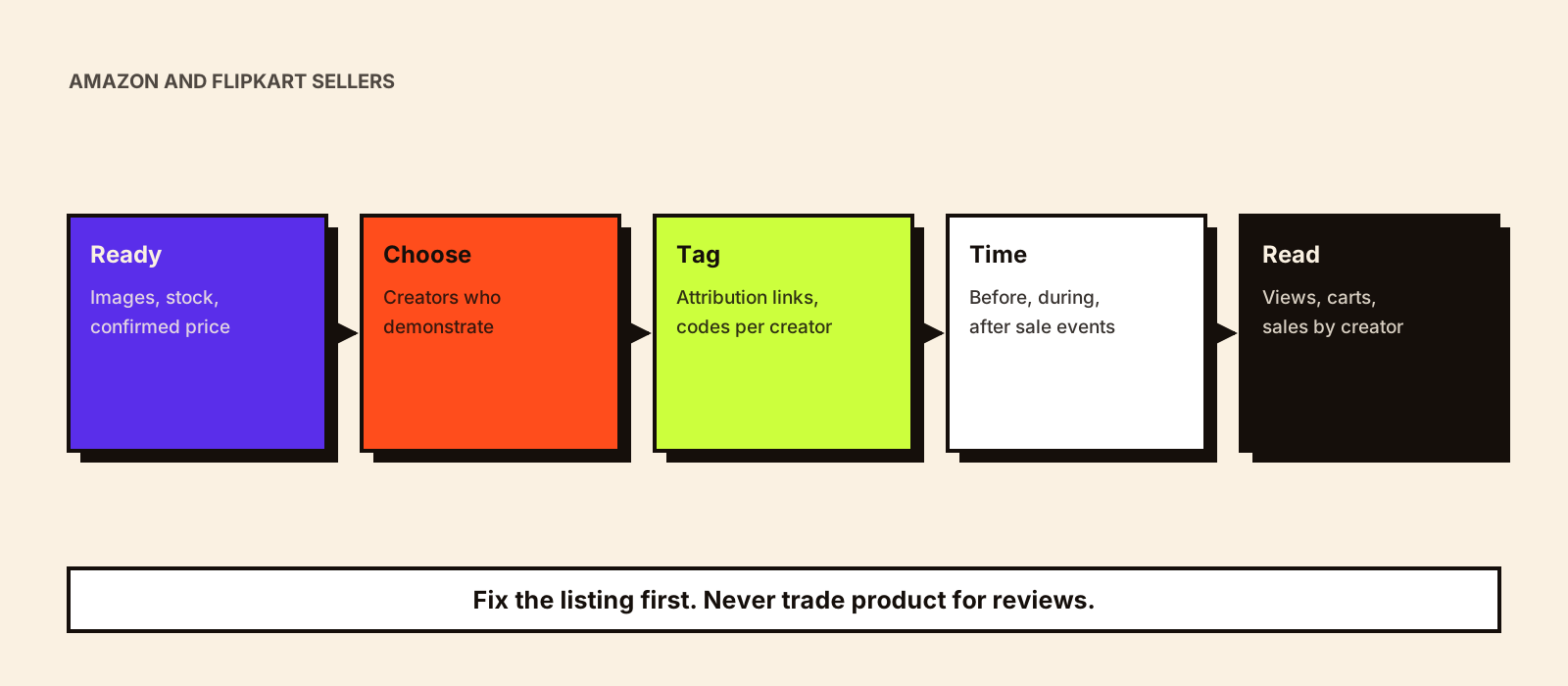
Many Indian brands sell mainly through Amazon, Flipkart and category marketplaces such as Nykaa or Myntra, not their own websites. Creator campaigns work differently for them: the sale happens on someone else's platform, data is limited, and the listing has to do the converting. This playbook covers what changes for marketplace sellers.
Quick answer
Fix the listing first (images, title, reviews, stock), then brief creators who demonstrate the product for a clear use case and link to the listing with a tracked URL. On Amazon, brand-registered sellers can use Amazon Attribution, which is available on Amazon.in, to see detail page views, add-to-carts and sales from external traffic. Elsewhere, rely on creator-specific codes, short-term sales lifts and before-and-after comparisons. Never trade products or payment for marketplace reviews.
When creators are worth it for a marketplace seller
| Situation | Creator fit |
|---|---|
| The product needs showing (fit, texture, setup, size) | Strong: demonstrations answer what a listing can't |
| A new listing with few reviews | Useful for discovery, but the listing may not convert yet; keep budgets small |
| A crowded category where buyers search by generic terms | Good for building branded searches (people searching your brand name) |
| A low-priced commodity with thin margins | Often weak; marketplace ads may be cheaper |
| Sale events | Good for pre-event consideration and wishlists, if stock and price are confirmed |
Get the listing ready first
- Images and video that match what creators will show, so the shopper recognizes the product.
- A title and bullets that use the words creators use for the benefit.
- Enough stock in the regions you're targeting, and delivery promises you can keep.
- Price and offers confirmed for the posting window, including any bank or sale offers.
- Answers to the questions creators' audiences are likely to ask, in the listing or the Q&A.
Sending creator traffic to a weak listing wastes the campaign. If stock is uncertain, see the stock section of influencer marketing for product launches.
Choosing creators
Prioritize creators whose audiences buy online in your price band and whose content shows products in use. Unboxing alone rarely converts; demonstrations, comparisons with honest limits, and routines do. Creators who already post marketplace finds often have audiences used to clicking through to buy. Some take part in marketplace programs such as the Amazon Influencer Program, which pays them commission on purchases through their storefronts; that is the creator's own arrangement with Amazon and doesn't replace a paid brief from you.
Tracking sales you can't see
| Method | What you get | Limits |
|---|---|---|
| Amazon Attribution | Clicks, detail page views, add-to-cart, purchases and new-to-brand sales from tagged links, on a 14-day window | Brand Registry sellers and vendors; Amazon traffic only |
| Creator-specific coupon codes | Orders using each code | Codes leak to coupon sites; many buyers don't use them |
| Short links per creator | Clicks by creator and post | Clicks only; no sales on the marketplace side |
| Sales and branded-search lift | Change against a baseline period or untargeted regions | Other activity also moves results |
| Affiliate programs | Commission-based tracked sales where the marketplace supports them | Program rules vary; check terms |
Amazon lists India among the marketplaces where Attribution is available; check eligibility in your Amazon Ads console. When platform numbers and your own records disagree, see why creator reports and analytics don't match. Wider tracking for sales on marketplaces is covered in influencer marketing for e-commerce.
Reviews: what not to do
Marketplaces restrict reviews written in exchange for free products, payment or other rewards, and breaches can lead to removed reviews, delisting or suspension. Don't ask creators or their followers to leave marketplace reviews as part of a deal, don't send product on the condition of a review, and don't use review-swap groups. Let creator content live on social platforms, disclosed under ASCI's guidelines, and let marketplace reviews come from ordinary buyers. Check your marketplace's current seller policies before any campaign that involves free product.
Timing around sale events
| Window | Creator role |
|---|---|
| Two to four weeks before | Demonstrations and comparisons; encourage wishlisting |
| Days before | Confirmed price and offer reminders, only once the price is final |
| During the event | Short reminders; watch stock and pause posts if items sell out |
| After | How-to and second-use content for new buyers; collect questions for the listing |
Before-during-after planning for sale events is covered in more depth in influencer marketing for e-commerce.
Hypothetical example
Hypothetical, for illustration only. A kitchen-tools seller on Amazon and Flipkart books eight cooking creators to demonstrate a vegetable chopper three weeks before a sale event. Amazon links carry Attribution tags; Flipkart sales are read through creator codes and a comparison with the same weeks last year. The Attribution report shows detail page views and add-to-carts by creator, which the seller uses to pick two creators for the next event.
Common mistakes
- Sending creator traffic to a listing with poor images or few reviews.
- Posting before the sale price is confirmed.
- Asking for marketplace reviews in return for product or payment.
- Judging creators only on coupon codes.
- Running out of stock in the regions the campaign targeted.
Conclusion
Marketplace sellers can use creators well if the listing is ready, the creators demonstrate rather than just unbox, and tracking is set up before posting. Use Amazon Attribution where you can, combine codes and lift elsewhere, and keep creator content and marketplace reviews separate.