Influencer Marketing for Australian Tourism and Regional Destinations
How tourism operators, regional destinations and attractions in Australia can work with travel creators: choosing creators by source market, hosted trips and disclosure, filming permits in national parks, respecting Traditional Owners and sacred sites, drones, seasonality and measuring bookings and visitation.
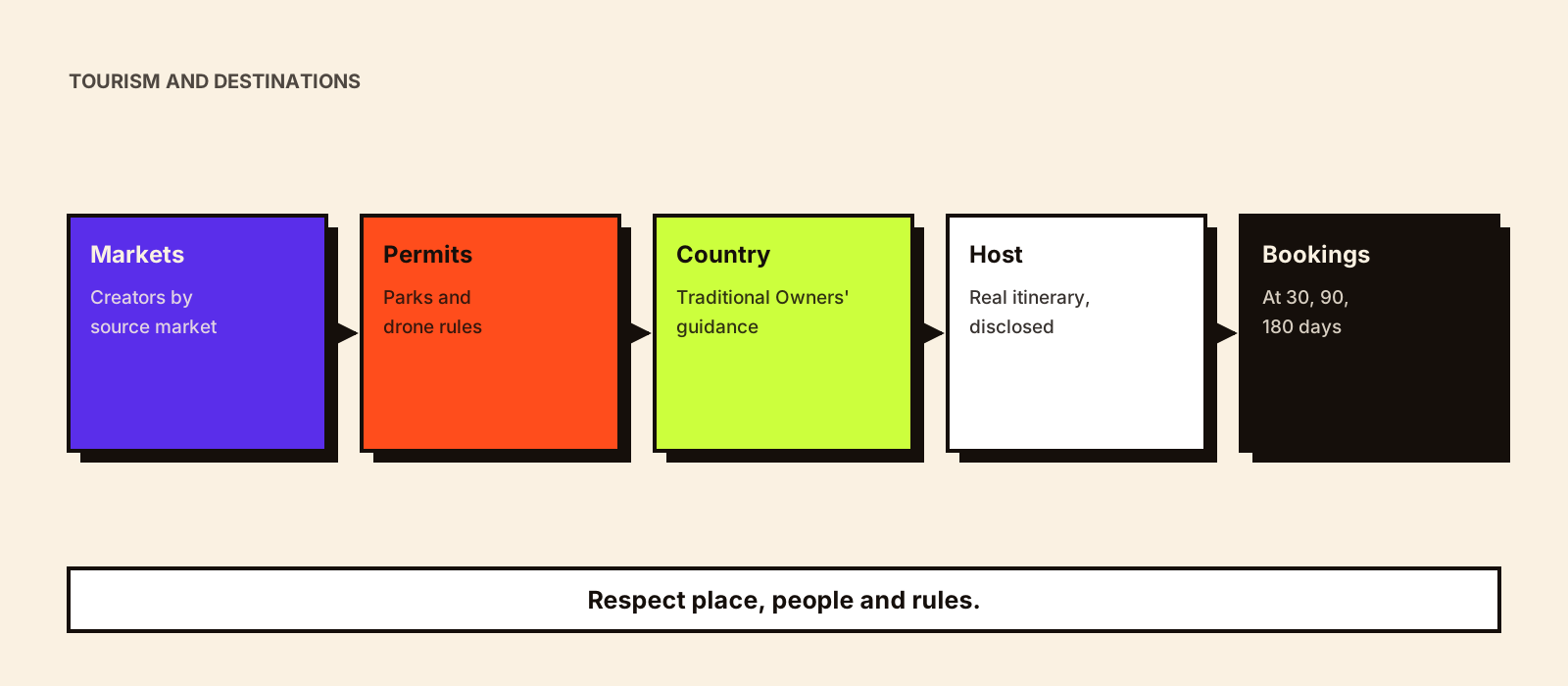
Travel decisions are shaped by what people see: the beach, the trail, the meal, the room. Creators who show a destination honestly can bring visitors from interstate and overseas, and help regional areas compete with big cities. Tourism content also has rules other categories don't: permits to film in national parks, cultural protocols on Country, drone restrictions and disclosure for hosted trips. This guide is for operators, destinations and attractions.
Quick answer
Tourism influencer marketing in Australia works when you choose creators by the source market you want visitors from, host them on a realistic itinerary, and agree disclosure for hosted trips. Before filming, check permits (national parks often require them for commercial filming, including by influencers), respect Traditional Owners' wishes and sacred-site rules, and follow drone rules. Track bookings and enquiries per creator, and judge results over the booking window, not the week of posting.
Choose creators by source market
| Visitors you want | Creators to consider |
|---|---|
| Locals and weekenders | City and lifestyle creators in nearby capitals |
| Interstate travellers | Travel and family creators in your key states |
| International visitors | Creators based in, or with audiences in, your priority countries |
| Adventure and outdoors | Hiking, diving, cycling and road-trip specialists |
| Food and wine | Food and regional producer creators |
Hosted trips
- Agree deliverables, dates and usage before the trip; a free trip is still a commercial relationship
- Disclose hosted stays clearly in each post, not only in a bio
- Plan a realistic itinerary; don't stage experiences guests can't book
- Give creators honest freedom; overly polished content can disappoint visitors
- Agree rights to reuse content in your own marketing and with tourism partners
Permits, Country and protocols
Checked 9 October 2026. Many parks and reserves require permits for commercial filming and photography. At Uluṟu-Kata Tjuṯa National Park, for example, Parks Australia lists filming and photography for commercial or public purposes, explicitly including social media influencers and content creators, as an activity that needs a permit, and its media guidelines cover sacred sites and working with Aṉangu, the Traditional Owners. Check the rules for every park, beach or reserve on your itinerary with the managing agency.
- Ask the relevant Traditional Owners, land council or park agency how places can be shown, and follow their guidance
- Never film or photograph sites or people where it isn't permitted, and ask before photographing people
- Don't use First Nations art, stories or symbols in content without permission
- For drones, follow the Civil Aviation Safety Authority's rules and any park bans
Sources: the Civil Aviation Safety Authority's drone rules and, for working with First Nations cultural material, Creative Australia's protocols.
Seasonality and timing
- Post content for the planning window, often weeks or months before the season
- Show the destination in the season you want to sell, not only its peak
- School holidays differ by state; target families accordingly
- Avoid promoting areas during fire, flood or other emergencies; follow official advice and pause content
Travel gear and outdoor brands
Outdoor, camping and travel gear brands often brief creators to film in national parks and remote areas. The same permits, drone rules and cultural protocols apply, and safety matters as much as the product. Show safe practice (water, sun, fire bans, track closures), don't depict behaviour that breaks park rules, and make performance claims (waterproof, UV-rated, weight) match your testing. Gear is easiest to measure with codes and retailer links, and longer-form reviews on YouTube tend to keep working for considered purchases.
Measuring bookings and visitation
| Metric | How |
|---|---|
| Bookings | Tracked booking links or codes per creator |
| Enquiries | Form or email enquiries by source |
| Website visits from target states or countries | Analytics filtered by location and creator link |
| Search interest | Branded and destination search during and after the campaign |
| Content reuse | Performance of creator content in your own channels |
Bookings can arrive months later. Keep links live and report at 30, 90 and 180 days.
Common mistakes
- Hosting creators whose audiences aren't in your source markets
- Filming in parks without checking permits
- Ignoring cultural protocols on Country
- Undisclosed hosted stays
- Judging results in the week of posting
Conclusion
Creators can put a destination on someone's list, but tourism content must respect place, people and rules. Choose creators by source market, check permits and protocols before filming, disclose hosted trips and measure bookings over the real planning window. For the wider Australian picture, see influencer marketing in Australia.