Influencer Marketing for Australian Restaurants, Cafés and Hospitality Brands
How Australian restaurants, cafés, bars and hospitality groups can work with food creators: local creators, hosted meals and disclosure, honest reviews, alcohol marketing under the ABAC code, openings and menu launches, and measuring bookings, walk-ins and repeat visits.
Food content is one of the most-watched categories on Australian social media, and a single good video can fill a café on a Saturday. Hospitality also has specific risks: hosted meals that aren't disclosed, review practices the ACCC treats as misleading, and alcohol marketing rules that make the venue responsible for influencer posts. This guide is for restaurants, cafés, bars and hospitality groups.
Quick answer
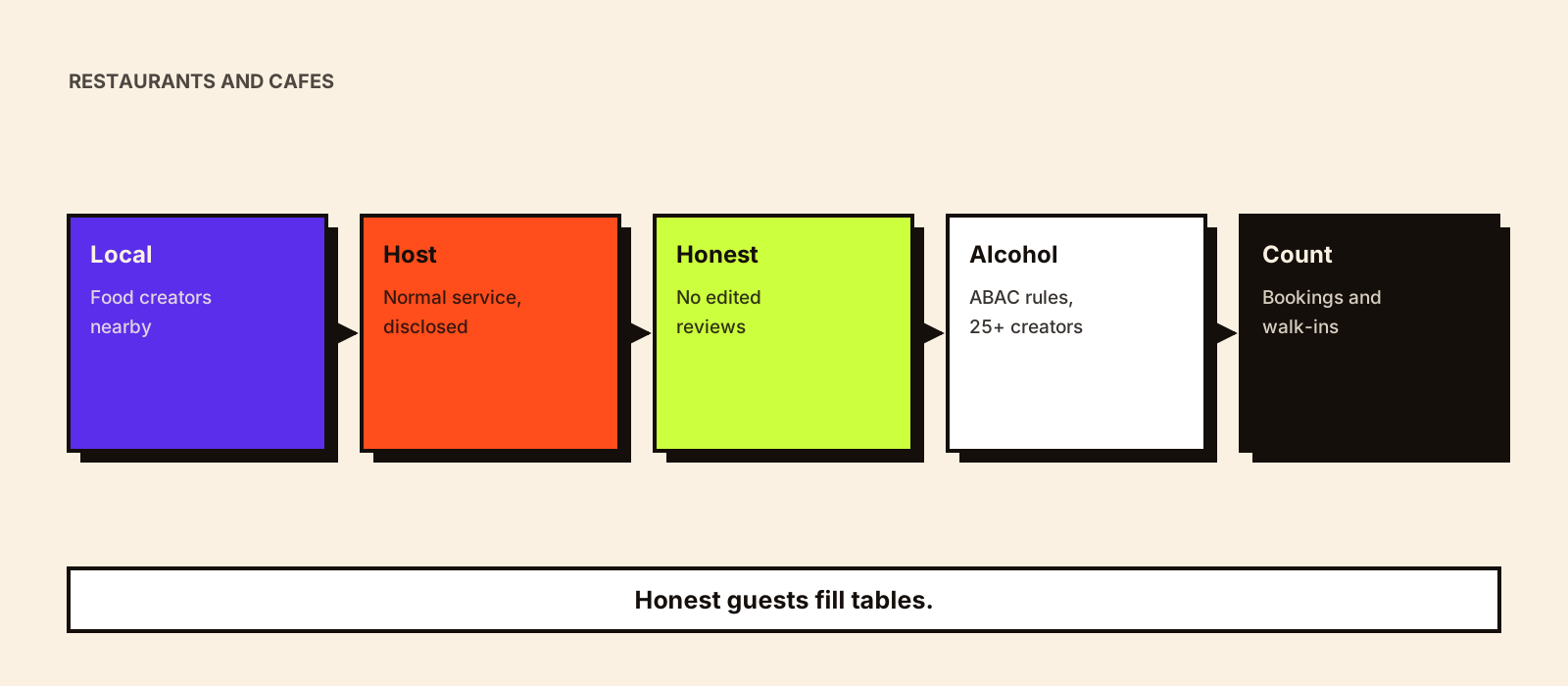
Restaurants and cafés in Australia should work with food creators whose followers live nearby, host them on normal service days, and make sure hosted or paid visits are clearly disclosed. Let creators give honest opinions, never edit or fake reviews, and if alcohol features, follow the ABAC code's influencer guidance (creators 25 or over, adult-audience controls, no excessive drinking). Track bookings and walk-ins with creator links and codes.
Choose local food creators
- Audience in your city or suburb matters more than follower count
- Match cuisine and price point: a fine-dining creator and a cheap-eats creator reach different diners
- Mix food critics and reviewers with lifestyle and family creators
- Check past hosted posts were clearly disclosed
Hosted visits done properly
- Invite on normal service days so content reflects the real experience
- Agree whether posting is expected; if it is, disclosure is required
- Avoid special plates or service creators' audiences won't get
- Brief on facts: dishes, prices, dietary options, opening hours
- Space visits over several weeks rather than one influencer night
Reviews and honesty
The ACCC says businesses must not write or arrange fake reviews, ask paid people to post reviews without disclosing the relationship, or edit reviews in a way that misleads. A creator's honest mixed review is more credible than paid praise, and safer.
Alcohol and the ABAC code
If your venue promotes alcoholic drinks through creators, the ABAC scheme applies to marketing by restaurants and venues as well as producers. ABAC's July 2026 guide for brands working with influencers says the brand is responsible for influencer content it engages, influencers promoting alcohol must be 25 or over and not pregnant, and creators should use the platform's 18+ restrictions. Avoid showing excessive or rapid drinking.
Openings and menu launches
| When | Creator activity |
|---|---|
| Two weeks before | Teasers, behind the scenes, booking link |
| Opening weeks | Staggered hosted visits on normal service |
| First month | Reviews and follow-ups; respond to feedback |
| New menus or seasons | Repeat creators who already know you |
Measuring bookings and visits
- Booking links with UTM tags per creator
- A creator-specific dish, code or 'mention' offer at the counter
- Covers and walk-ins vs the same days in previous weeks
- Repeat visits from loyalty or booking data
- Ask new guests how they heard about you
A simple starter plan for owner-run venues is in influencer marketing for small businesses in Australia.
Regional venues, wineries and food trails often sit within a wider destination story; see influencer marketing for Australian tourism and regional destinations.
Common mistakes
- Undisclosed hosted meals
- Asking creators to remove or soften honest criticism
- Under-25 creators promoting cocktails
- One big influencer night instead of staggered visits
- No way to count bookings from creators
Conclusion
In hospitality, local trust is everything. Choose creators near you, host them on real service, disclose every hosted visit, keep reviews honest, follow ABAC rules for alcohol, and count the bookings. Venues that treat creators as honest guests tend to get the content that fills tables.