Creator Payment Delays: How Brands Can Avoid Damaging Influencer Relationships
Why brand payments to creators run late (vendor setup, POs, approvals, invoice errors, finance cycles), how delays affect relationships, how to prevent them, what to say when a payment will be late and how to escalate internally.
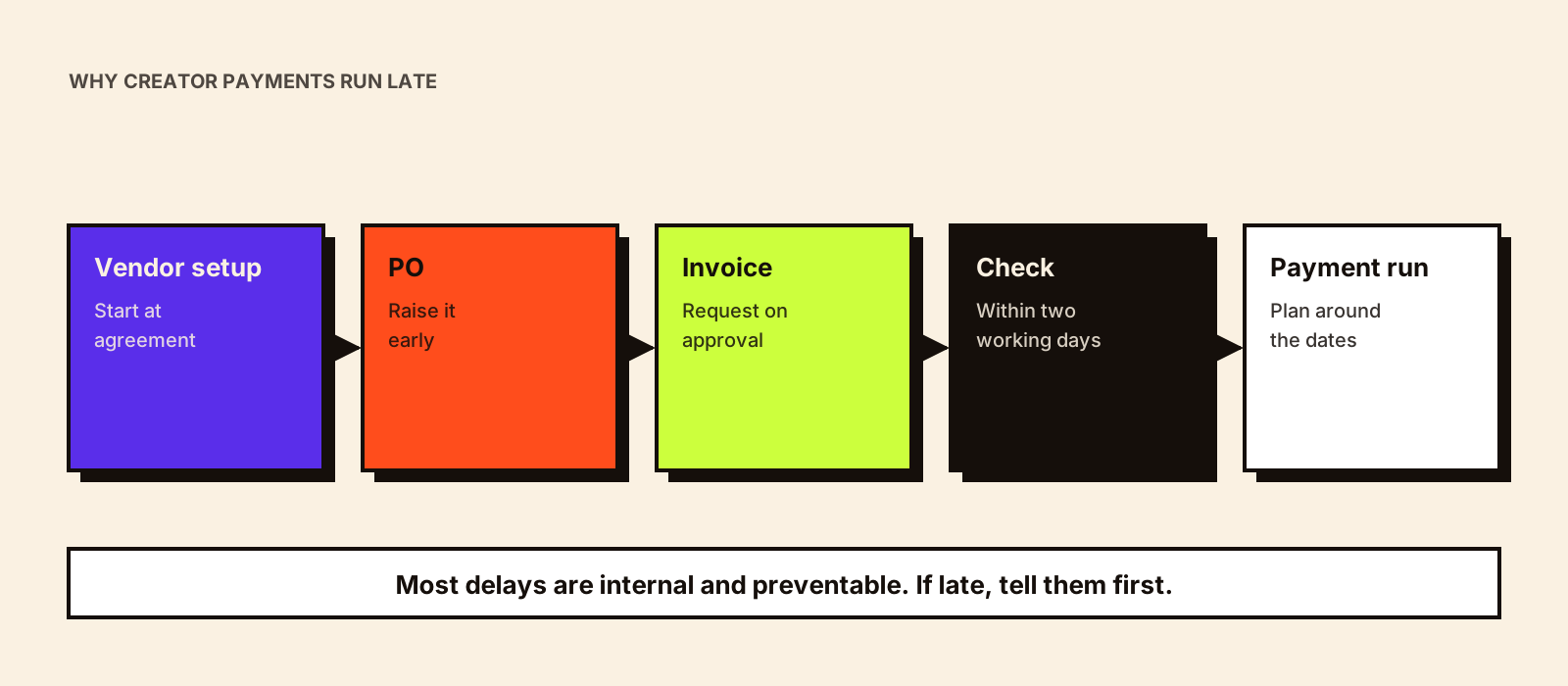
For a large brand, a creator payment is one of hundreds of vendor payments in a month. For a creator, it may be a significant part of their income. That difference explains why payment delays damage relationships so quickly. Creators talk to each other and to their managers, and 'pays late' is one of the hardest reputations for a brand to shake.
Quick answer
Brands avoid creator payment delays by agreeing clear payment terms upfront, starting vendor setup and purchase orders during onboarding, linking content approval to an immediate invoice request, checking invoices within a set time, reviewing payments weekly with finance and having an escalation route. When a delay is unavoidable, tell the creator before the due date, explain why and give a firm new date.
Why payments run late
| Cause | Fix |
|---|---|
| Vendor setup started after the invoice | Start during onboarding |
| No purchase order raised | Raise the PO when the agreement is signed |
| Content approved, invoice never requested | Request the invoice automatically on approval |
| Invoice errors (entity, amount, GST) | Send exact invoicing instructions upfront |
| Invoice waiting for campaign owner's check | Set a check deadline (e.g. two working days) |
| Missed the finance payment run | Know the payment run dates; plan approvals around them |
| Approver away | Named backup approver |
| Agency hasn't been paid by the brand yet | Agree agency payment terms that don't make creators wait |
How delays affect creator relationships
- Creators spend time chasing instead of creating.
- Trust falls; future negotiations become harder.
- Managers may ask for advances or higher rates to cover the risk.
- Good creators prioritise other brands.
- The brand's reputation spreads through creator networks.
Reliable payment is one of the strongest reasons creators keep working with a brand; influencer retention strategy covers the others.
Prevent delays: the internal workflow
AT AGREEMENT: payment terms signed · PO raised · vendor setup started · invoice instructions sent
AT APPROVAL: content approved → invoice requested same day
INVOICE IN: logged → checked within 2 working days → errors flagged specifically
APPROVED: sent to finance with agreement and approval → scheduled in next payment run
WEEKLY: payment review with finance; overdue items escalated
PAID: creator told the same day
Creator payment tracking describes the tracker and weekly review in detail.
When a payment will be late
- Tell the creator before the due date, not after they ask.
- Explain the reason briefly and honestly.
- Give a firm new date, and meet it.
- If the delay is long, consider paying part now.
- Apologise; don't blame finance or the creator.
Hi [name], I wanted to let you know before the due date: your payment for [campaign] will be late because [brief reason: vendor setup is still being completed / it missed this week's payment run]. It's now scheduled for [date]. I'm sorry for the delay and I'll confirm as soon as it's paid.
Escalation inside the brand
- Define who to escalate to when a payment is overdue (marketing lead, then finance lead).
- Track overdue payments as a standing item in campaign reviews.
- Fix recurring causes: if vendor setup always delays first payments, change when it starts.
Payments to small enterprises
Some creators operate as registered micro or small enterprises. The MSMED Act caps the credit period buyers can agree with such suppliers at 45 days from acceptance of the services, and late payments can attract interest. The government's MSME Samadhaan portal lets suppliers raise delayed-payment cases. Ask about registration during vendor setup and keep payment terms well within the limit. This is general information, not legal advice.
Agencies and payment flow
When an agency pays creators on a brand's behalf, delays often happen because the agency is waiting for the brand to pay it. Agree terms that don't make creators wait on that cycle, and ask your agency how and when it pays creators. The creator-side view is in how creators can handle late brand payments.
Hypothetical example
Hypothetical: a consumer tech brand's creators regularly wait 60–70 days for first payments. A review shows the cause: vendor registration only starts when the first invoice arrives, and takes several weeks. The brand moves vendor setup to the day the agreement is signed, raises purchase orders at the same time and adds a payment-date line to every kickoff recap. First payments start arriving within the agreed period, and creators stop having to chase.
A payment-delay audit
1. List payments made late last quarter
2. For each: which step caused the delay? (vendor setup / PO / invoice request / invoice error / internal check / payment run / approver away / agency)
3. Count causes; fix the top one or two
4. Check whether creators were told before the due date
5. Update templates, onboarding steps or SLAs accordingly
Influencer onboarding covers starting vendor setup early, and influencer marketing payments covers the full payment workflow.
Common mistakes
- Saying nothing until the creator chases.
- Giving a new date and missing it.
- Blaming another team to the creator.
- Treating late payment as normal because 'finance is slow'.
- Not fixing the cause after it happens twice.
Conclusion
Most creator payment delays are internal and preventable: start vendor setup and POs early, link approvals to invoice requests, check invoices quickly, review payments weekly and escalate overdue items. When a delay happens anyway, tell the creator first and keep the new date. Reliable payment is one of the simplest ways to be a brand creators want to work with.