Influencer Retention Strategy: How Brands Can Keep Their Best Creators
Why good creators stop working with brands and how to keep them: fair pay, reliable payment, consistent communication, creative freedom, predictable workflows, recognition and repeat opportunities, with a retention checklist and warning signs.
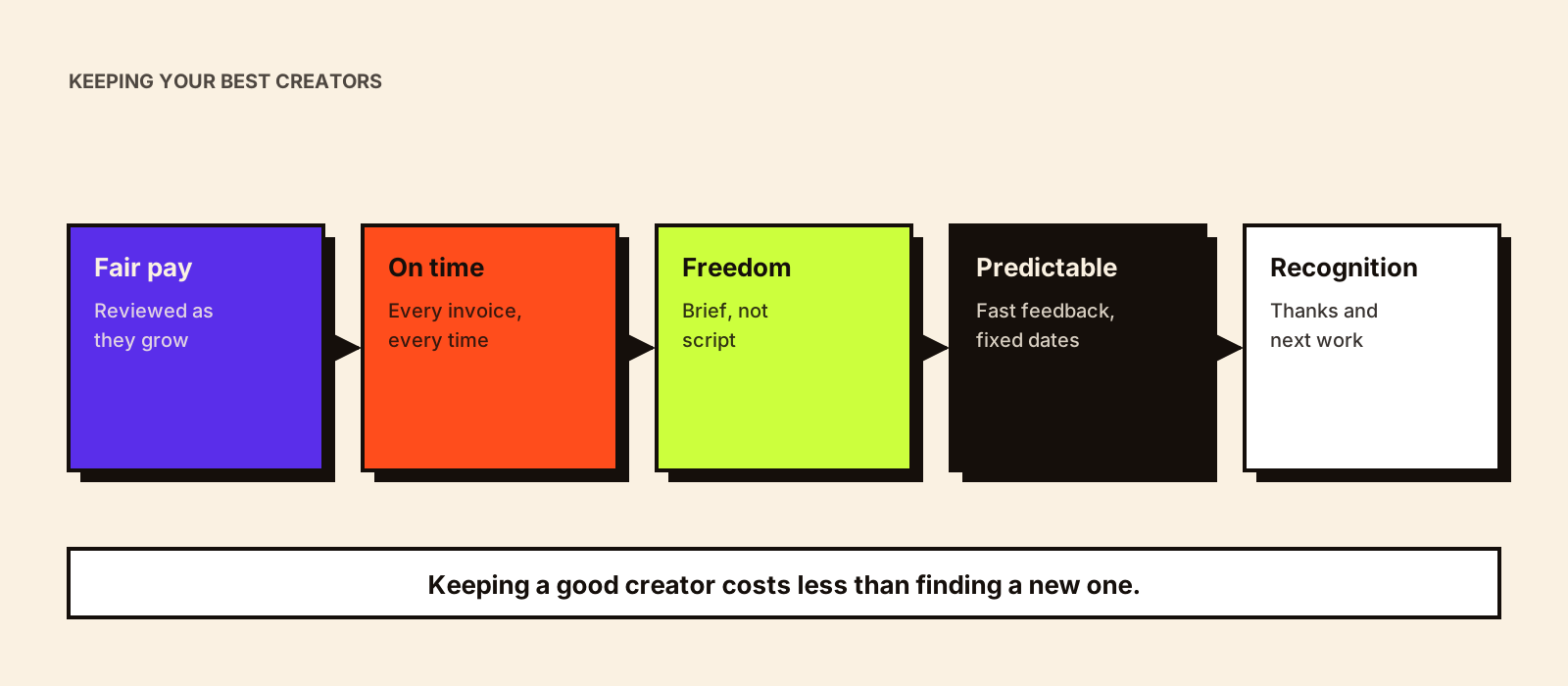
A brand's best creators are also the ones other brands want. They have strong audiences, reliable delivery and content that works, so their calendars fill up. If working with you is slower, less respectful or worse paid than working with someone else, they'll quietly prioritise the others. Retention is about making sure that doesn't happen.
Quick answer
Brands keep their best creators by paying fairly and on time, communicating clearly and consistently, giving real creative freedom, running predictable workflows (good briefs, quick feedback, no last-minute changes), recognising good work and offering repeat opportunities they can plan around. Watch for warning signs such as slower replies or declined briefs, and ask creators directly what would make working with you better.
Why good creators stop working with brands
| Reason | How it shows up |
|---|---|
| Late or difficult payment | Chasing invoices; unclear process |
| Too much control | Scripts, many revision rounds, content that doesn't sound like them |
| Unpredictable process | Briefs changed late, approvals delayed, go-live dates moved |
| Poor communication | Slow replies, different people asking different things |
| Below-market or stagnant pay | Rates unchanged as the creator grows |
| Audience reaction | Followers responding badly to too-frequent or poorly fitting ads |
| Better offers | Competitors offering more, or longer commitments |
| Values mismatch | Product issues, claims they're uncomfortable with |
Seven retention levers
1. Fair compensation
Pay rates that reflect the creator's value and review them as they grow. Package rates for regular work are fine; holding rates flat while a creator's audience doubles invites them to leave. How much to pay influencers covers pricing factors.
2. Reliable payment
Pay within the agreed time, every time. Make invoicing simple and tell creators about any delay before they have to ask. For many creators, a brand that pays promptly is worth more than a slightly higher fee from one that doesn't.
3. Consistent communication
One point of contact, reasonable response times, written summaries of agreements and early warning of changes. Stay in touch between campaigns too: share launches, send new products, check in.
4. Creative freedom
Give the brief, the key facts and the limits, then let creators make content their way. Limit feedback to the brief's requirements, not personal taste. Influencer campaign brief explains how to give direction without scripting.
5. Predictable workflows
- Briefs final before the creator starts.
- Feedback within an agreed time (for example 48 hours).
- A cap on revision rounds.
- Go-live dates that don't move without good reason.
- Products delivered in time to use them properly.
6. Recognition
Specific thanks after a campaign, sharing results, featuring their content (with permission), inviting them to launches or product discussions, crediting their ideas. Recognition costs little and is remembered.
7. Repeat opportunities
Creators value predictable income. Offering a series, a retainer or an ambassador role to top performers gives them a reason to keep space in their calendar for you. Repeat influencer collaborations and influencer ambassador programs cover structures.
Warning signs
- Slower replies than before.
- Declined briefs or 'not this month' several times.
- Rates rising sharply with you but not with others (they may be pricing you out).
- Content that feels less enthusiastic.
- More competitor collaborations in their feed.
When you see these, ask directly and kindly: 'Is there anything we could do better as a partner?' The answer is usually specific and fixable.
Retention checklist
□ Paid on time, every time, this quarter
□ Rate reviewed in the last 6–12 months
□ Feedback turnaround met our promise
□ No unpaid extras requested
□ Results and thanks shared after each campaign
□ Creator asked for their ideas or feedback
□ Next opportunity discussed or offered
□ Any concerns raised and addressed
When not to retain
Retention isn't keeping everyone. Let relationships end, respectfully, when a creator's audience no longer fits, their content has drifted from your category, there's a values or safety concern, or they no longer seem interested. Thank them and keep the door open where appropriate.
Hypothetical example
Hypothetical: a D2C fitness brand notices its best-performing Hindi fitness creator has declined two briefs in a row. A short call reveals the issues: the last campaign's payment arrived six weeks late, and feedback on drafts came from three people with different opinions. The brand fixes its payment process, assigns one reviewer, agrees a 48-hour feedback window and offers a quarterly series at a package rate reviewed every six months. The creator returns. The fix wasn't a higher fee; it was a better process.
Retention for different creator types
| Creator type | What tends to matter most |
|---|---|
| Top-tier and managed creators | Fair rates, professional process, timely payment, respect for their calendar |
| Micro creators | Predictable work, clear briefs, fast payment, recognition |
| Regional and nano creators | Respect, simple processes, help with invoicing, being treated as partners rather than freebies |
| Expert creators | Accuracy, no pressure on claims, alignment with their professional standards |
| UGC creators | Clear specs, fast feedback, steady volume, fair usage terms |
Retention metrics worth tracking
- Share of top-rated creators who work with you again within six months.
- Number of declined briefs from top creators, with reasons.
- Average days from invoice to payment.
- Average feedback turnaround on drafts.
- Creator feedback scores, if you ask.
Creator performance scorecard and influencer relationship management cover the records behind these metrics.
Evaluating, rebooking, relationships and retention are different jobs
| Job | Question | Timescale | Guide |
|---|---|---|---|
| Evaluating | How did this creator do in this campaign? | After each campaign | Creator performance scorecard |
| Rebooking | Should we work with them again, and in what role? | Within weeks of a campaign | Repeat influencer collaborations |
| Relationship management | How do we work well together over time? | Ongoing | Influencer relationship management |
| Retention | How do we keep our best creators choosing us? | Months to years | This guide |
Guides for each: creator performance scorecard, repeat influencer collaborations and influencer relationship management. Retention depends on all three, but it's mainly about the creator's experience of working with you, not only your evaluation of them.
Common mistakes
- Assuming loyalty means they'll accept lower rates.
- Going silent between campaigns.
- Asking for exclusivity without paying for it.
- Over-using a creator so their audience tires of your brand.
- Never asking creators how you could be a better partner.
Late payment is one of the fastest ways to lose good creators; creator payment delays covers the usual causes and fixes, and creator experience covers the wider workflow.
Conclusion
Retaining good creators is about being a partner they'd choose: fair and prompt pay, clear communication, creative freedom, predictable process, recognition and future work. Watch for early warning signs and ask what would help. The cost of keeping a good creator is almost always lower than finding a new one.