Influencer Relationship Management: How Brands Can Build Long-Term Creator Partnerships
How brands manage creator relationships across the whole lifecycle, from first contact to repeat partnership: communication, campaign history, preferences, payments, feedback, performance and relationship health, with a practical operating model.
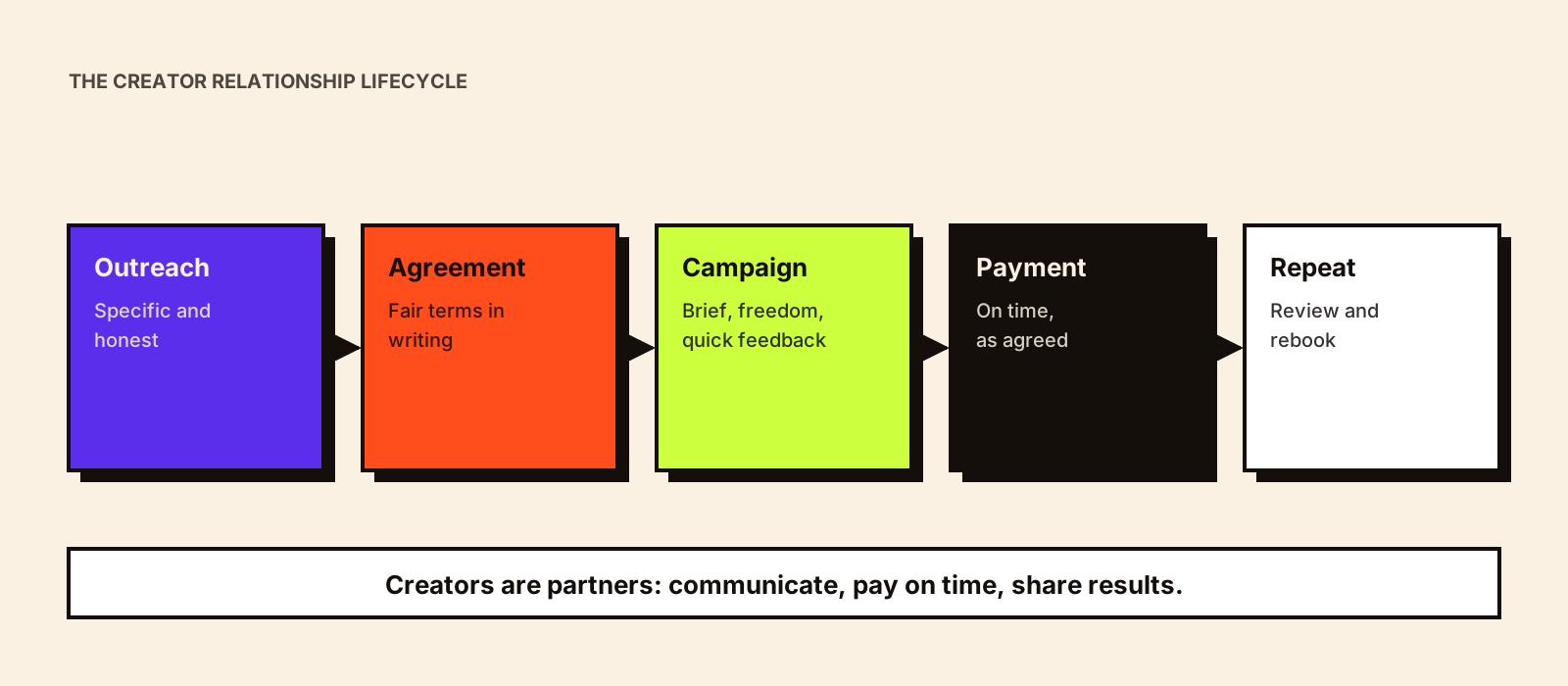
Ask creators which brands they like working with and the answers are rarely about fees alone. They mention the brand that paid on time, the one whose feedback was clear, the one that let them make the content their way, the one that sent results afterwards and asked them back. Influencer relationship management is the work of being that brand consistently, across dozens of creators and many campaigns.
Quick answer
Influencer relationship management is how a brand manages its creators as ongoing partners rather than one-off suppliers. It covers clear, timely communication; a record of each creator's campaigns, preferences, rates and results; respectful briefs and creative freedom; reliable payments; honest two-way feedback; regular performance reviews; and deliberate decisions about who to work with again and in what role. Done well, it lowers the effort and risk of every future campaign and makes good creators want to keep working with you.
The creator relationship lifecycle
| Stage | What good looks like | Guide |
|---|---|---|
| Discover and research | Creators chosen for fit and quality, not just reach | Influencer shortlisting |
| Outreach | Specific, honest first messages through the right channel | Influencer outreach strategy |
| Conversation and negotiation | Clear offers; fair, respectful negotiation | How to negotiate with influencers |
| Agreement | Terms in writing; no surprises later | Influencer marketing contract |
| Campaign | Good brief, creative freedom, timely feedback | Influencer campaign brief |
| Payment | On time, as agreed | Influencer marketing payments |
| Feedback and review | Results shared; scorecard recorded | Creator performance scorecard |
| Repeat partnership | Best creators rebooked, retained, sometimes made ambassadors | Repeat influencer collaborations |
Each stage has its own guide: influencer shortlisting, influencer outreach strategy, how to negotiate with influencers, influencer marketing contract, influencer campaign brief, influencer marketing payments, creator performance scorecard and repeat influencer collaborations.
Six things to manage well
1. Communication
- One named point of contact per creator, so they're not repeating themselves to different people.
- Reply within an agreed time (for example two working days), even if only to say when a decision will come.
- Put agreements in writing after calls.
- Use the creator's preferred channel for coordination; keep formal terms in email.
- Tell creators about changes early: delayed launches, changed briefs, budget cuts.
2. Campaign history
Record every collaboration on the creator's record: deliverables, dates, fee, results, rights and anything learned. When someone new joins your team, they should be able to read the history in minutes rather than asking the creator to explain it again. Influencer marketing CRM covers the structure.
3. Preferences
- Formats and topics they enjoy and those they decline.
- How much lead time they need.
- How they like feedback (written, call, voice note).
- Categories or claims they won't endorse.
- Busy periods (festival campaigns, exams, travel).
4. Payments
Late payment is one of the fastest ways to lose good creators and to gain a reputation among managers. Agree terms clearly, pay as agreed, tell creators if something will be late and why, and make invoicing simple (who to send it to, what details are needed, GST and TDS handling).
5. Feedback, both ways
Share results and specific feedback after each campaign. Ask creators what you could do better: clearer briefs, faster approvals, more creative room, better products to show. Creators see how their audience reacts and often have the most useful ideas about what would work next time.
6. Performance and relationship health
Review performance with a consistent scorecard and track relationship health separately: is the creator responsive, enthusiastic, still a good fit? A creator whose results dip but who is easy to work with and well-loved by their audience may deserve a different role rather than being dropped.
Relationship health check
Creator: [ ]   Owner: [ ]   Relationship stage: [first / repeat / ambassador]
□ Paid on time for every collaboration this quarter
□ Brief and feedback turnaround met what we promised
□ Creator responsive and positive in recent conversations
□ Results shared with the creator after each campaign
□ Audience still fits our customer (recent data)
□ Any concerns raised by the creator, and what we did about them
Next: [rebook / new role / ambassador conversation / pause]
Treat creators as partners, not inventory
- Give real creative freedom. Creators know what works for their audience; scripts make content sound like ads.
- Respect their 'no': to a format, a claim, a deadline.
- Don't ask for unpaid extras after the deal (more Stories, raw files, extended usage).
- Credit their work when you reshare it, and ask before using it in ads.
- Recognise good work: a thank-you, a mention, an invitation to a launch.
Relationship management in India
- Many creators work through managers; keep both informed and avoid going around the manager on commercial matters.
- Regional creators often have strong ties with each other. How you treat one is likely to be known by others in the same community.
- Festival seasons are peak workload; plan early and be understanding about timing.
- Smaller creators may be new to contracts and invoicing; a little guidance builds lasting goodwill.
A simple operating model
| Rhythm | Activity | Owner |
|---|---|---|
| Every collaboration | Written agreement; brief; timely feedback; on-time payment; results shared | Campaign manager |
| After each campaign | Scorecard; thank-you and results; rebook decision | Relationship owner |
| Monthly | Check upcoming opportunities for top creators; gifting new launches to partners | Influencer lead |
| Quarterly | Relationship health check for top creators; rate review; creator feedback | Influencer lead |
| Annually | Review roster; plan ambassador and retainer roles | Head of marketing |
Ask creators for feedback
1. Was the brief clear? What would have made it easier?
2. Did you have enough creative freedom?
3. Was our feedback timely and useful?
4. Was payment smooth?
5. Anything you'd like to make with us next time?
Ask once or twice a year, keep it short, and act on what you hear. Creators notice when a brand changes something because they said so.
When a relationship isn't working
- Talk directly and early about issues (missed deadlines, tone, fit) rather than quietly stopping bookings.
- Separate one-off problems from patterns.
- If you end the relationship, do it respectfully and make sure all payments are complete.
- Record the reason so future team members understand the history.
Common mistakes
- Different team members contacting the same creator with different requests.
- Going silent between campaigns, then expecting priority when you need them.
- Late payments without explanation.
- Never sharing results with creators.
- Treating every creator the same regardless of history.
Two guides go deeper on the day-to-day: influencer communication covers channels, ownership and preventing misunderstandings, and creator experience covers the workflow from the creator's side.
Conclusion
Influencer relationship management is about being a brand creators trust: clear communication, a good memory of each relationship, respect for their work, reliable payment, honest feedback and deliberate decisions about the future. It makes every campaign easier and keeps the best creators coming back. For keeping top creators specifically, see influencer retention strategy.