How to Build an Influencer Shortlist for Your Brand
How brands and agencies build an influencer shortlist: from discovery longlist to vetted shortlist to final selection, how many options to keep, what each shortlist entry should show, availability and conflict checks, backups, a shortlist template, and how to approve it quickly.
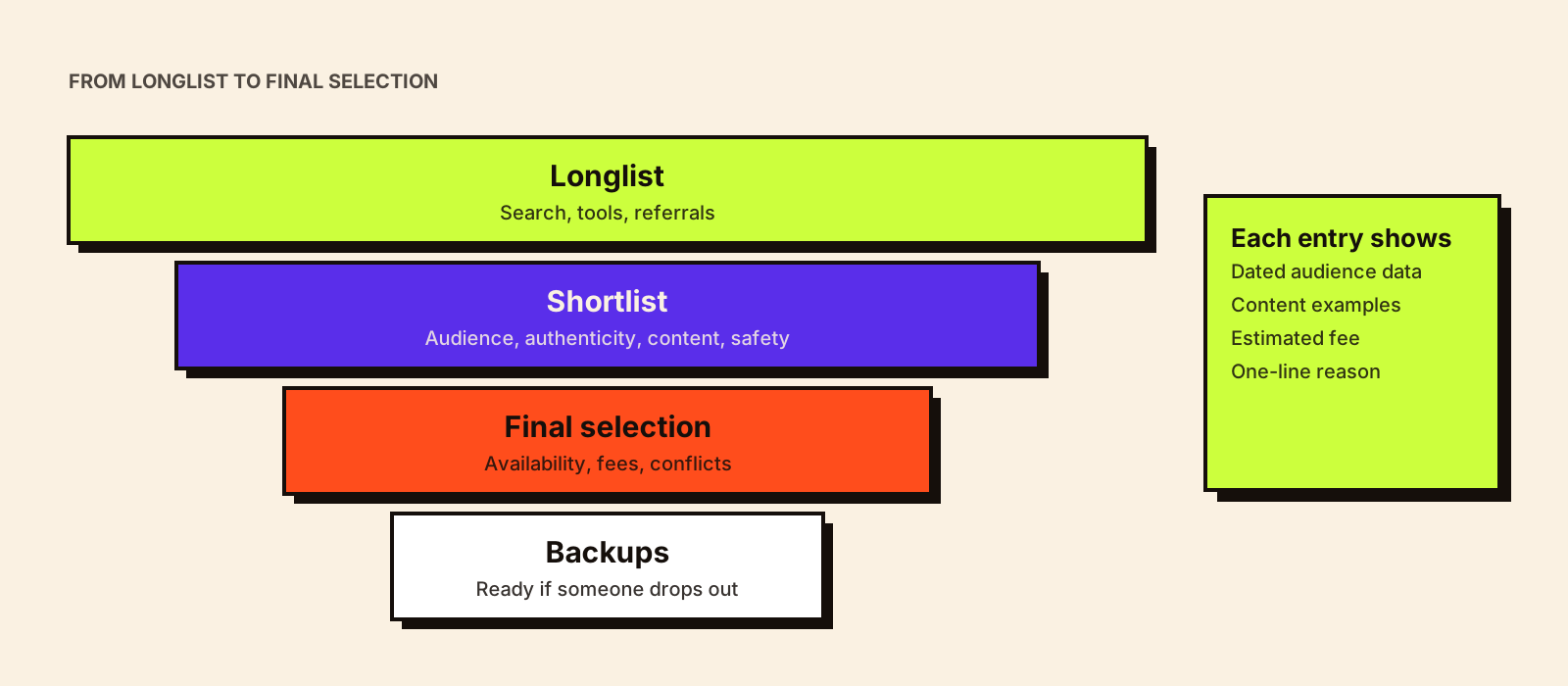
A shortlist is where a campaign's quality is decided. Discovery produces lots of plausible names; vetting removes the risky ones; the shortlist is the small, reasoned set that a decision-maker can approve in one sitting. When shortlists are just spreadsheets of handles and follower counts, approvals drag and weak creators slip through.
Quick answer
Build an influencer shortlist in three passes: a longlist from discovery (search, tools, referrals), a vetted shortlist after audience, authenticity, content and brand-safety checks, and a final selection after availability, fees and conflicts are confirmed. Keep more options than you need so you have backups. Each shortlist entry should show the creator's platform and typical reach, audience match with dated data, content examples, past brand work, estimated fee and a one-line reason they fit the brief.
The three passes
| Pass | Input | Filter | Output |
|---|---|---|---|
| Longlist | Platform search, discovery tools, referrals, past creators | Topic, platform, language, region, rough size | A broad list of possible creators |
| Shortlist | Longlist | Audience fit, authenticity, content quality, brand safety | Vetted options with reasons |
| Final selection | Shortlist | Availability, fees, usage, exclusivity, conflicts, mix | Creators to contract, plus backups |
Discovery methods are in how to find the right Indian influencers for your brand; the vetting pass in how to vet influencers before a brand collaboration.
How many to keep at each stage
Keep a margin at every stage because some creators won't be available, some will quote beyond budget and some will decline your terms. As an illustrative planning guide, a shortlist is often around one and a half to two times the number of creators you need, and the longlist several times larger. Niche and regional briefs need wider longlists because fewer creators fit.
What every shortlist entry should show
Creator | Platform(s) | Typical views/reach (dated) | Audience: top cities, age, language (dated, source) |
Content examples (2–3 links) | Past brands and conflicts | Estimated fee for these deliverables |
Usage/exclusivity notes | Brand-safety notes | Why they fit this brief (one line) | Tier/role | Status
- Date and source every audience number; mark estimates as estimates.
- Write the reason for each creator in one line; it forces clear thinking and speeds approval.
- Show the mix: which creators play which role (reach, trust, conversions, regional coverage).
- Flag risks honestly rather than leaving them for the approver to discover.
Checks before final selection
- Availability in your go-live window.
- Fees for the exact deliverables, usage and exclusivity you need.
- Existing exclusivities with competitors.
- Recent sponsored content volume, so your post isn't lost among many ads.
- Overlap between creators' audiences, if you want reach rather than frequency.
Approving the shortlist quickly
- Approve against the criteria agreed in the brief, not personal taste.
- One decision-maker, with others consulted before, not after.
- Approve a ranked list with backups, so replacements don't need another round.
- Set a turnaround time; shortlist approval is one of the most common delays in the campaign timeline.
Timeline impact: influencer campaign timeline. Selection criteria for judging fit: how to choose the right influencer for your brand. Kudozz's creator discovery service delivers shortlists in this format, with a written rationale for each creator.
Common mistakes
- Shortlists sorted by follower count.
- No backups, so one decline restarts the process.
- Undated or estimated audience data presented as fact.
- Ignoring competitor exclusivities until contracting.
- Everyone in the team approving, nobody deciding.
Conclusion
A good influencer shortlist is small, vetted, reasoned and ready to approve. Build it in three passes, keep margins and backups, show dated evidence and a clear reason for every creator, and confirm availability, fees and conflicts before final selection.