Influencer Code of Conduct: What Brands and Creators Should Agree
A practical code of conduct for creator partnerships that covers both sides: what creators commit to on disclosure, claims and behavior, what brands commit to on briefs, deadlines, payment and workload, and how to handle breaches fairly. Includes a template.
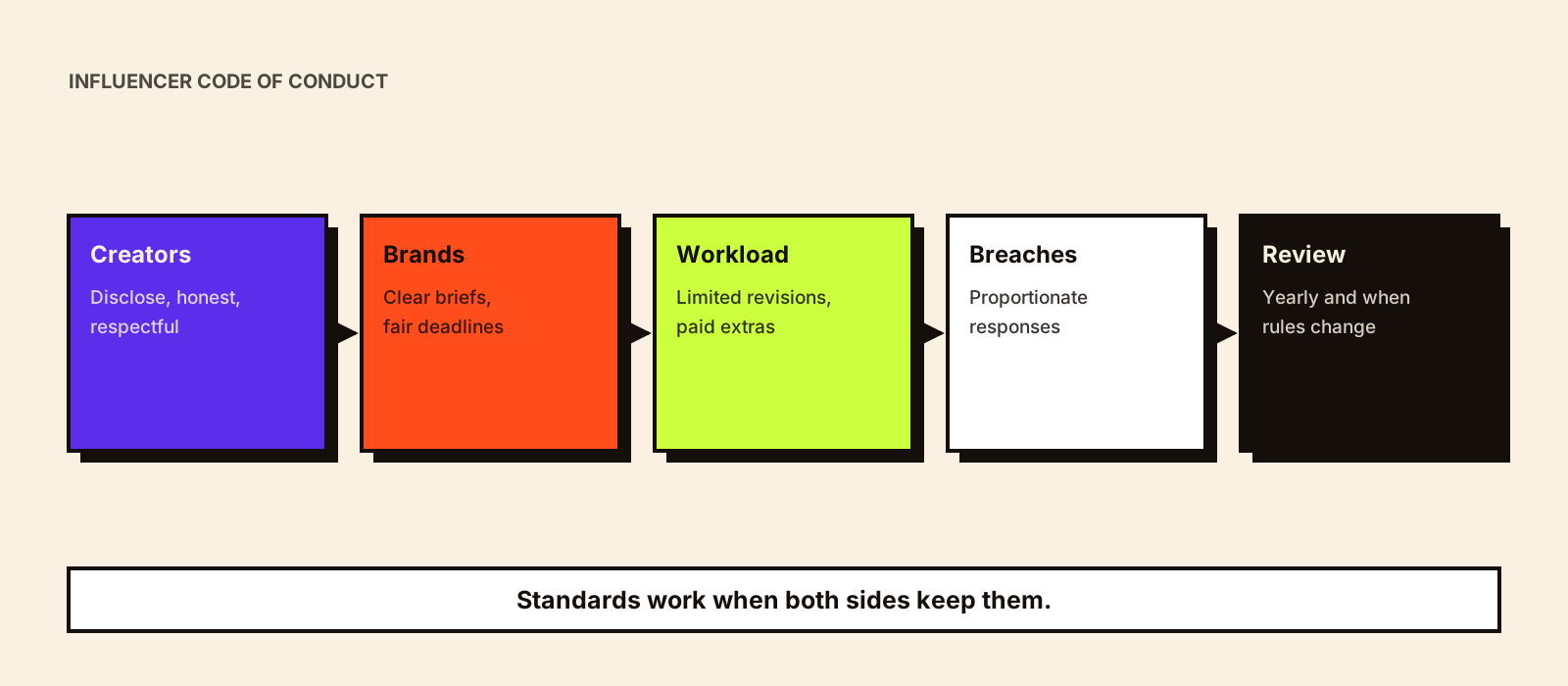
A code of conduct sets out how a brand and its creators will behave toward audiences and toward each other. Most codes only list what creators must not do. The ones that work also say what the brand owes creators: clear briefs, reasonable deadlines, prompt payment and limits on revisions. This guide covers both sides and includes a template. It complements, not replaces, the contract.
Quick answer
An influencer code of conduct should cover honest disclosure, claims the creator believes and the brand can prove, respectful behavior, privacy and safety, and confidentiality. It should also commit the brand to clear briefs, workable timelines, limited revision rounds, payment on time and respect for the creator's judgement. Keep it short, share it before contracting, refer to it in the contract, and say how breaches are handled.
What creators commit to
- Disclose every paid, gifted or affiliate relationship clearly, in the post's language
- Only say what they genuinely believe, and only use claims the brand has approved
- Use the product before reviewing it; no invented results or edited before-and-after images
- Treat audiences, other creators and commenters with respect; no harassment or hate
- Protect privacy: no filming people without consent; extra care with children
- Follow platform rules and any licensing or permit requirements in their market
- Keep confidential information confidential until launch
- Tell the brand promptly about anything that could affect the partnership
What brands commit to
- A clear brief with approved claims, before work starts
- Realistic timelines, with a minimum notice period for new deliverables
- A fixed number of revision rounds, with feedback consolidated from one contact
- No requests to post false claims, hide sponsorship or buy engagement
- Payment on the agreed date
- Respect for the creator's voice, audience and boundaries, including topics they won't cover
- Support if the creator faces abuse because of the campaign
- Credit and usage only as agreed in the contract
Revision limits and payment timelines are covered in creator revision policies and creator payment delays.
Fair workload and burnout
Creators often work alone across many brands, and the brand side causes much of the pressure: late briefs, short deadlines, scattered feedback and scope that grows after the fee is agreed. A code can't fix the creator economy, but a brand can stop adding to the problem. Practical commitments include planning deliverables around the creator's posting rhythm, avoiding requests outside agreed hours for routine matters, accepting reasonable delays for illness, and paying for any extra work. These are also good business: rushed content performs worse and stressed creators leave programs. Scope creep is covered in influencer campaign hidden costs.
Handling breaches
| Situation | Proportionate response |
|---|---|
| Missing or unclear disclosure | Ask for a correction within a set time; record it |
| Unapproved claim | Ask for an edit or removal; check whether others repeated it |
| Serious misconduct, established | Pause or end the partnership as the contract allows |
| Allegations not yet established | Pause, gather facts, avoid public judgement |
| Brand breaks its commitments | The creator raises it with the named contact; the brand fixes it and records it |
How to respond when a creator controversy breaks is covered in influencer controversy response, and the contract wording for conduct clauses in the influencer marketing contract guide.
Template
1. Purpose: how we and our creators work together and with audiences
2. Creator commitments: disclosure, honest opinions, approved claims, respect, privacy, platform and market rules, confidentiality
3. Brand commitments: clear briefs, notice periods, [number] revision rounds, payment within [number] days, respect for creator boundaries, support during abuse
4. Never: hidden sponsorship, false or edited results, bought engagement, targeting children with unsuitable products
5. Raising concerns: named contacts on both sides
6. Breaches: proportionate steps; the contract decides remedies
7. Review: yearly, and when rules change
Brand-side policies the code sits alongside are in influencer marketing governance, and screening before a creator is booked in influencer marketing brand safety.
Common mistakes
- A one-sided code that only lists creator obligations
- Copying legal clauses into the code instead of plain language
- Sharing it after the contract is signed
- No named contact for creators to raise concerns
- Treating every breach as grounds to end the partnership
Conclusion
A good code of conduct is short, two-sided and used. It tells creators what's expected, commits the brand to working conditions that make good content possible, and sets out fair steps when something goes wrong. This is general guidance, not legal advice.