Creator Partnerships for Nonprofits and Social-Impact Campaigns in the GCC
How charities, foundations and brands running social-impact campaigns can work with creators in the UAE, Saudi Arabia and the wider GCC: fundraising laws that bar individuals from collecting donations, licensed channels, dignity and consent for people featured, awareness vs fundraising campaigns, and measuring impact honestly.
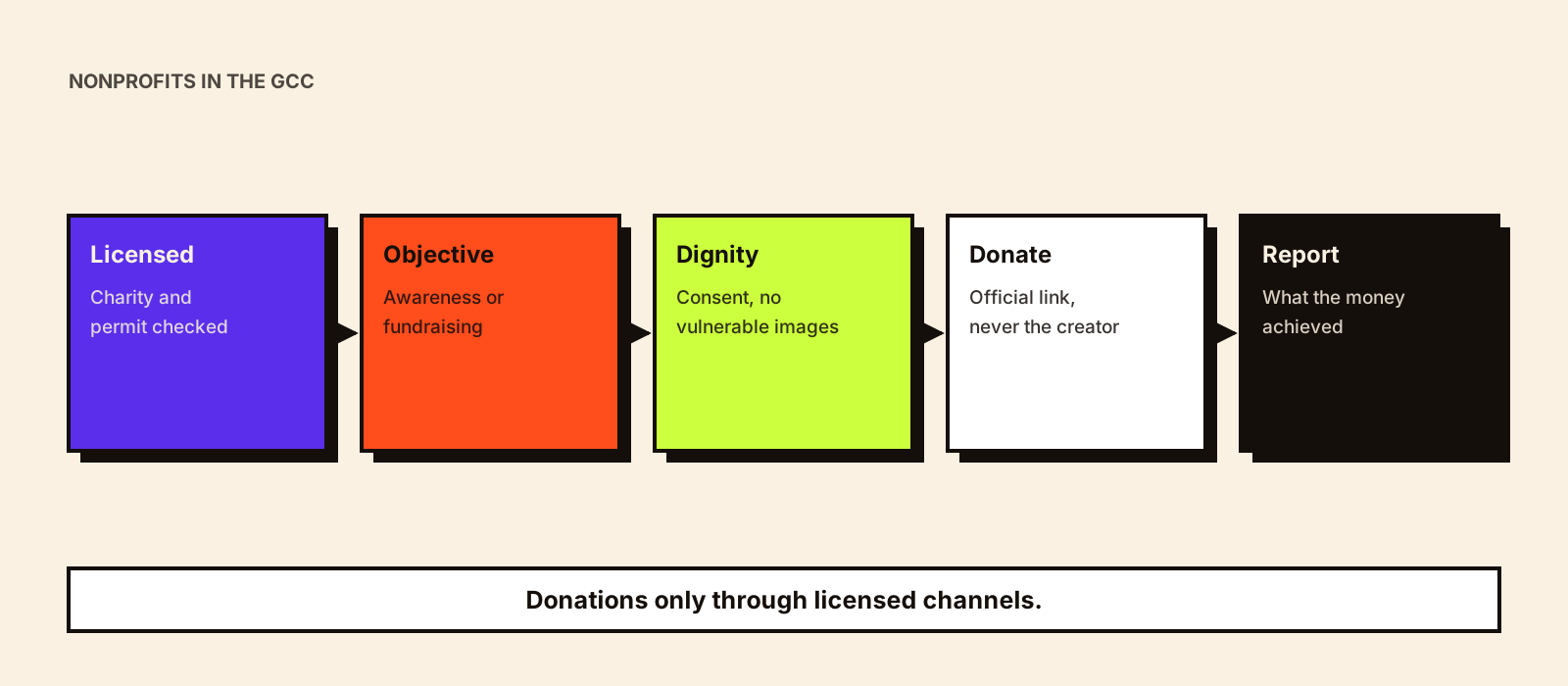
Giving is part of daily life in the Gulf, especially during Ramadan, and creators can bring causes to audiences that charities struggle to reach. But fundraising is tightly regulated: in the UAE and Saudi Arabia, individuals can't simply ask their followers for donations. This guide is for charities, foundations and brands running cause campaigns, and explains how to work with creators within the rules while protecting the dignity of the people the campaign serves.
Quick answer
In the GCC, creator partnerships for nonprofits should send every donation through the licensed charity's own approved channels, never through a creator's account. In the UAE, the fundraising law bars individuals from collecting donations, including through social media; in Saudi Arabia, fundraising is limited to licensed entities and approved electronic channels. Use creators to raise awareness and point followers to the official donation route, get informed consent from anyone featured, avoid images that strip people of dignity, and report impact honestly.
Fundraising rules
Reviewed 9 October 2026. Not legal advice; confirm with the regulator in each country. In the UAE, Federal Law No. 3 of 2021 on regulating fundraising bars individuals from organizing or carrying out fundraising, and Gulf News reported officials saying that seeking donations through social media without a licence is a punishable offence. In Saudi Arabia, the executive bylaw of the Fundraising Regulation Law came into force in 2026, banning cash collection in public spaces and limiting fundraising to bank transfers and approved electronic channels, according to LexisNexis. Draft governance rules published for consultation in August 2026 would bar fundraising ads from featuring children and require a QR code linking to the 'Donate Safely' verification service; check whether they have been finalised.
- Partner only with licensed charities, and confirm they hold a fundraising permit for this campaign
- Donations go to the charity's official channel; creators share that link, never their own payment details
- Creators don't collect money, goods or bank details from followers
- Check each country separately; a permit in one country doesn't cover another
- Creators still need the usual advertiser licence where they're paid to promote
Awareness or fundraising?
| Awareness campaign | Fundraising campaign | |
|---|---|---|
| Creator role | Explain the cause, change attitudes, encourage action | Point followers to the charity's licensed donation channel |
| Rules | Content standards and disclosure | Fundraising law and permits, plus the above |
| Call to action | Learn more, volunteer, sign up, share | Donate through the official link |
| Measure | Reach in target audience, sign-ups, volunteering | Donations through tracked official links |
Dignity and consent
- Get informed consent from anyone featured, in their language, explaining where the content will appear
- Don't show people at their most vulnerable to drive donations; show agency and outcomes
- Avoid identifying children, refugees or patients; blur faces and avoid names and locations where they could cause harm
- Don't stage scenes or exaggerate needs
- Creators visiting projects follow the charity's safeguarding rules
Brands running cause campaigns
- Say exactly what the brand gives: 'AED 5 per bottle sold to [charity], up to AED 100,000', not 'part of proceeds'
- Publish the result afterwards
- Avoid using the cause mainly to sell; audiences notice
- In Ramadan, keep tone respectful and avoid turning giving into a promotion
Ramadan tone and timing are covered in Ramadan influencer marketing in the UAE, and claims about a brand's own environmental or social record in influencer marketing for sustainable brands in the GCC.
Choosing creators
- Creators with a genuine connection to the cause
- Volunteers or unpaid partners where possible, with any payment disclosed
- Creators whose audiences are in the country where donations are licensed
- Brand-safety checks: past controversies can overshadow the cause
Measuring impact honestly
| Metric | How |
|---|---|
| Donations | Tracked links to the official channel, per creator |
| Donors | New vs returning donors from creator links |
| Awareness | Reach in the target audience; survey where possible |
| Action | Volunteer sign-ups, pledges, event attendance |
| Outcome | What the money achieved, reported back to the audience |
Common mistakes
- Creators asking followers to send money to them directly
- Campaigns run with an unlicensed organization
- Images of identifiable children or patients without consent
- Vague 'part of proceeds' claims from brands
- No report back on what donations achieved
Conclusion
Creators can bring a cause to new audiences across the GCC, but only within strict fundraising rules. Route every donation through a licensed charity's official channel, protect the dignity of the people featured, be specific about what a brand gives, and report back. Done properly, creator campaigns can build lasting support rather than one-off sympathy.