How to Run a Ramadan Influencer Marketing Campaign in the UAE (Including Eid)
How to plan creator campaigns for Ramadan, Eid al-Fitr and Eid al-Adha in the UAE: expected 2027 dates and why they can change, lead times, respectful creative, gifting, category ideas for food, fashion, beauty, hospitality and retail, charitable messaging and measurement.
Ramadan is a month of fasting, prayer, reflection, family and giving. It's also the period when many UAE households change their routines most: evenings become the center of the day, gatherings around iftar and suhoor multiply, and spending on food, clothing, gifts and hospitality shifts. Brands that treat it as a sales event tend to get it wrong. Brands that understand what the month means to people, and plan early, can be genuinely useful during it.
Quick answer
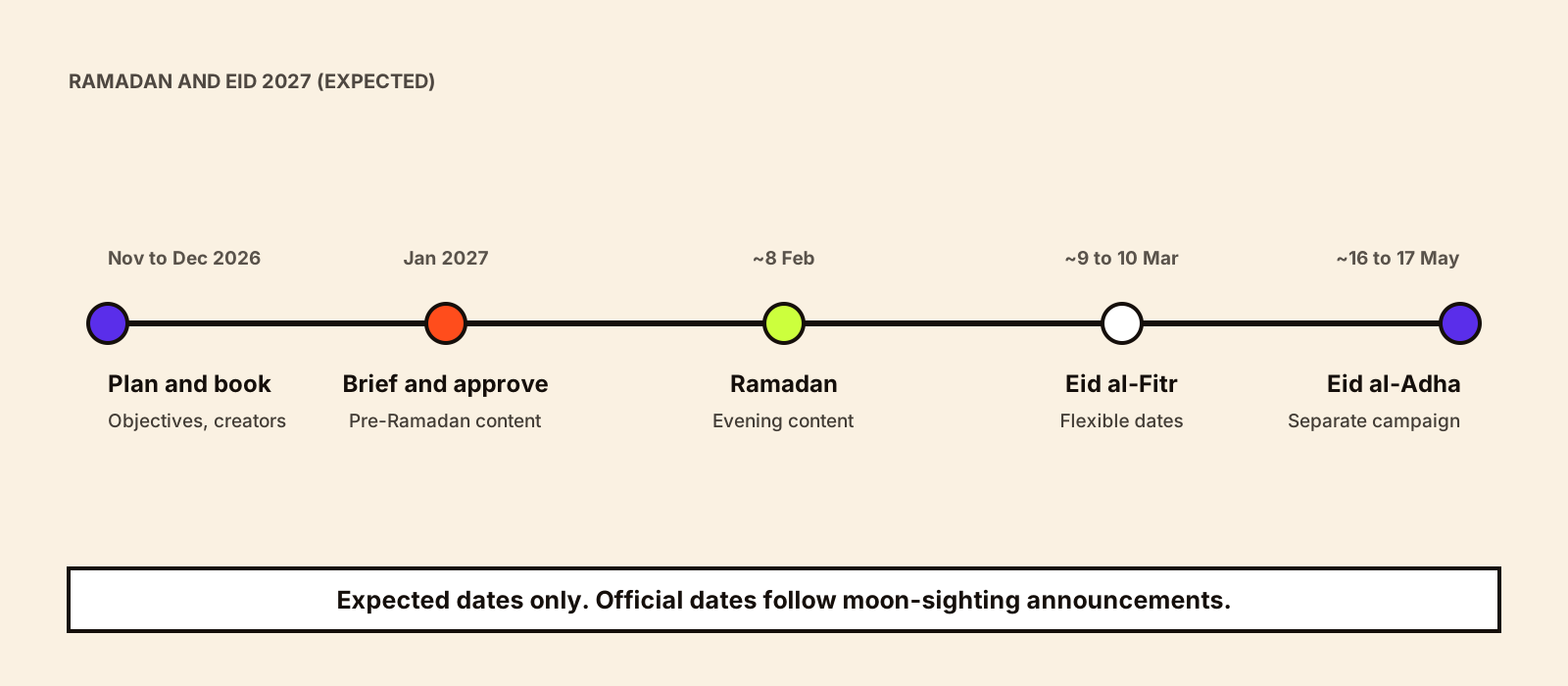
To run a Ramadan influencer campaign in the UAE, start planning months ahead and book creators several weeks before Ramadan begins, since demand and rates peak. Ramadan 2027 is expected to start around 8 February, with Eid al-Fitr around 9 or 10 March and Eid al-Adha around 16 or 17 May, but these depend on official moon-sighting announcements. Build creative around family, generosity, gathering and reflection rather than urgency; schedule content for evening and late-night viewing; brief creators who observe or deeply understand the month; plan gifting carefully; and treat Eid as a distinct moment with its own content. Measure against a seasonal baseline, not a normal month.
Ramadan and Eid are different moments
| Moment | What it is | Mood and behavior | Campaign role |
|---|---|---|---|
| Ramadan | The month of fasting from dawn to sunset | Reflection, prayer, family iftars, charity; evenings and late nights are busiest | Helpful, respectful content; food, home, hospitality, giving |
| Last ten nights of Ramadan | The most spiritually significant period | More worship; shopping for Eid ramps up | Lower-key brand presence; Eid preparation content |
| Eid al-Fitr | The festival marking the end of Ramadan | Celebration, new clothes, family visits, gifts, children | Gifting, fashion, beauty, travel, family experiences |
| Eid al-Adha | The festival during the Hajj period, about two months later | Family gatherings, sacrifice and charity, travel; public holiday | Hospitality, travel, family; a shorter, separate campaign |
Many brands run one campaign that stops at Eid al-Fitr and ignore Eid al-Adha entirely, or treat both Eids as the same. They're different occasions, and the gap between them is often a quiet period worth planning around.
Dates and why they can change
Checked 9 October 2026. Islamic months begin with the sighting of the new crescent moon, so dates move about 11 days earlier each year and are confirmed only shortly before. The dates below are astronomical forecasts for 2027 reported by The National and Gulf News in autumn 2026; the UAE's moon-sighting committee makes the official announcement.
| Occasion (2027) | Expected date | Depends on |
|---|---|---|
| First day of Ramadan | Around Monday 8 February | Sighting of the Ramadan crescent |
| Eid al-Fitr | Tuesday 9 or Wednesday 10 March | Sighting of the Shawwal crescent, and whether Ramadan lasts 29 or 30 days |
| Day of Arafah | 15 or 16 May | Sighting of the Dhul Hijjah crescent |
| Eid al-Adha | Sunday 16 or Monday 17 May | Sighting of the Dhul Hijjah crescent |
Build a day or two of flexibility into Eid posting schedules, and avoid committing creators to 'Eid day' posts on a fixed date. Public holiday dates are confirmed by the government; check the UAE government's public holidays page.
Planning lead times
| When (relative to Ramadan) | What to do |
|---|---|
| Three to four months before | Set objectives and budget; decide whether the campaign covers Ramadan, Eid al-Fitr, Eid al-Adha or all three |
| Two to three months before | Shortlist and contract creators; check permits; secure any sector or promotion approvals |
| Six to eight weeks before | Brief creators; finalize products, offers and gifting; plan shoots, as filming during fasting hours is harder |
| Two to four weeks before | Pre-Ramadan content (preparation, recipes, home, wardrobe); approvals done |
| During Ramadan | Evening-focused posting; monitor tone and comments; prepare Eid content |
| Final week to Eid | Eid content live with flexible dates |
| After Eid | Debrief and plan Eid al-Adha if relevant |
Creators are busiest and most expensive in the weeks before and during Ramadan. Late bookings mean less choice, rushed briefs and higher fees.
Respectful creative
- Work with creators who observe Ramadan or have a long, genuine connection to the communities who do
- Build around what the month is about: family, gathering, generosity, gratitude, reflection, community
- Avoid showing eating or drinking in a way that ignores fasting; many brands schedule food content for after iftar
- Don't use religious imagery, verses or rituals as decoration for a product
- Avoid deceptive urgency such as fake countdowns or 'last chance' claims; it clashes with the month and can mislead
- Keep humor and tone appropriate; what works in other months may not work now
- Review Arabic and English versions with native speakers who understand the religious context
- Remember that not everyone in the UAE observes Ramadan, but everyone lives alongside it; content for other audiences should still be considerate
Timing content around the day
Daily routines change during Ramadan: working hours are often shorter, and evenings after iftar and late nights before suhoor become key times for socializing and screen time. Ask creators when their own audiences are most active during Ramadan, using last year's insights if they have them, rather than assuming.
Gifting during Ramadan and Eid
- Ramadan hampers and Eid gifts are traditional; make gifts genuinely useful or thoughtful rather than branded clutter
- Ask before sending food to creators who may be fasting or have dietary requirements
- A gift in exchange for content is still advertising: permit and disclosure rules apply
- Gifts that support a charitable cause should do so transparently, with details the audience can verify
- Plan logistics early; delivery capacity is stretched before Eid
Ideas by category
| Category | Ramadan ideas | Eid ideas |
|---|---|---|
| Food and grocery | Iftar recipes, suhoor ideas, planning for gatherings, family cooking | Eid sweets, hosting, family meals |
| Restaurants and hospitality | Iftar and suhoor experiences, Ramadan tents and majlis settings, honest reviews | Eid brunches, family stays, staycations |
| Fashion | Modest and occasion wear, abayas and kaftans, styling for gatherings | Eid outfits for the family, children's wear, accessories |
| Beauty and fragrance | Skincare routines that suit changed sleep patterns, fragrance and oud traditions | Eid looks, gift sets |
| Retail and electronics | Home preparation, gifts for family | Eid gifting guides, children's gifts |
| Travel | Ramadan stays, respectful travel content | Eid holiday trips; plan for both Eids |
| Financial services | Budgeting for the month, charitable giving tools | Eid gifts of money (eidiya), remittances to family |
Category specifics are covered in restaurant influencer marketing in Dubai, influencer marketing for fashion brands in Dubai, influencer marketing for beauty brands in the UAE, influencer marketing for travel brands in the UAE and, for stores, retail influencer marketing in the GCC.
Food, drink and household brands planning Ramadan baskets will find claim rules and retail activation in FMCG influencer marketing in the UAE and Saudi Arabia.
Charitable messaging
Giving is central to Ramadan, and many brands want to reflect that. Do it only if the commitment is real and specific: name the partner organization, say exactly what the brand is giving and how, and report back afterwards. Don't make donations conditional on purchases in a way that pressures people, and don't let creators make vague claims about where money goes. Charitable fundraising in the UAE is regulated, so work with licensed charities and check what's permitted before promoting donations.
Fundraising itself is regulated: individuals can't collect donations in the UAE or Saudi Arabia. How charities and brands can work with creators within those rules is covered in creator partnerships for nonprofits in the GCC.
Rules that still apply
The advertiser permit, disclosure rules and media content standards apply during Ramadan as at any other time, including the standards on respecting religion. Discounts and promotions may need permits from the relevant emirate's economic department, and those departments are busy before Eid, so apply early. The basics are in our UAE influencer marketing guide.
Measuring a Ramadan campaign
- Compare with last Ramadan, not with the previous month; behavior and spending patterns differ
- Track Ramadan and Eid phases separately, since objectives differ
- Expect activity to shift to evenings; review results by time of day where possible
- Track per creator and per language with links and codes
- Record sentiment and comments; tone matters more this month
Avoid treating vendor claims about Ramadan uplift as guarantees. Seasonal performance depends on your category, offer and audience; your own year-on-year results are the benchmark that matters.
Common mistakes
- Booking creators a few weeks before Ramadan and finding the best ones taken
- Using religious imagery as decoration
- Countdown urgency and aggressive sales messaging
- Fixing Eid posts to a date before the moon is sighted
- Forgetting Eid al-Adha, or treating it as a repeat of Eid al-Fitr
- Charity messaging without a real, specific commitment
Conclusion
The best Ramadan campaigns in the UAE are planned early, made with creators who understand the month, and built around what people are actually doing: gathering, giving, preparing and celebrating. Plan flexibility into your dates, keep Eid al-Fitr and Eid al-Adha distinct, and measure against last year's season rather than an ordinary month.