Influencer Marketing for FMCG Brands in the UAE and Saudi Arabia
How food, beverage, household and personal care brands can use creators in the UAE and Saudi Arabia: the roles creators play in a fast-moving category, food and health claim rules in each market, Ramadan and household moments, hypermarket and quick-commerce activation, and measuring sales when most of them happen offline.
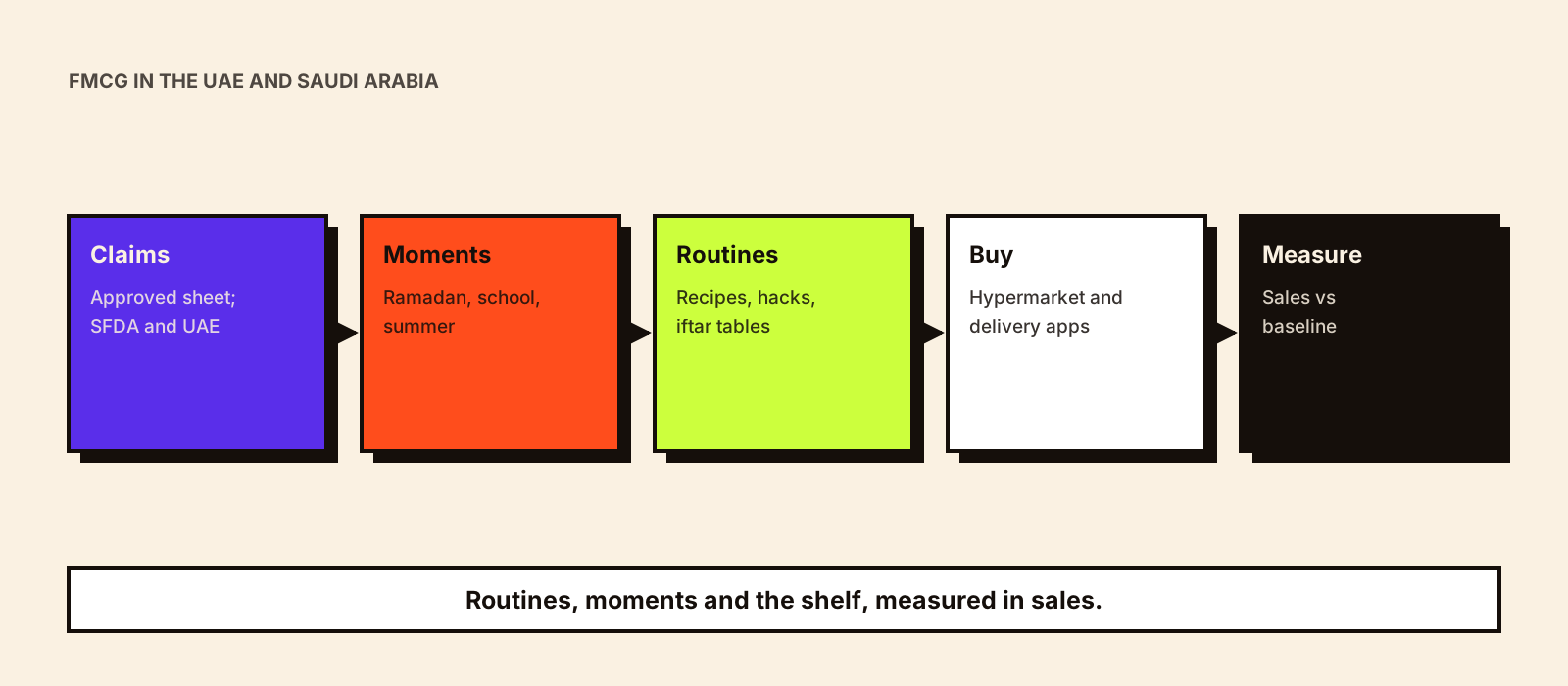
FMCG (fast-moving consumer goods) brands sell low-priced products that people buy often: snacks, drinks, dairy, household cleaning, baby care and personal care. In the UAE and Saudi Arabia most of those purchases still happen in hypermarkets, supermarkets and neighborhood stores, with a growing share through delivery apps. Creators help by putting products into everyday routines that shoppers recognize. This guide is for brand managers and trade marketing teams planning creator activity across both markets.
Quick answer
FMCG influencer marketing in the UAE and Saudi Arabia works when creators show products inside real routines (cooking, cleaning, school lunches, iftar tables) for audiences in the right country and language, around moments when baskets change, especially Ramadan. Check food and health claims before creators repeat them: Saudi Arabia's food regulator lists foodstuffs among products needing approval before advertising, and the UAE has acted against unapproved health claims on social media. Link content to where people buy, from hypermarket offers to quick-commerce apps, and judge results on sales against a baseline rather than views.
What creators do for FMCG brands
| Role | Creator content | Measure |
|---|---|---|
| Usage and recipes | Recipes, cleaning hacks, lunchbox ideas built around the product | Saves, shares, recipe page visits |
| Launches and flavours | First tastes, comparisons, limited editions | Trial: first purchases, sampling uptake |
| Seasonal baskets | Iftar tables, Eid hosting, back-to-school | Seasonal sales of featured lines |
| Retail activation | Where to find it, in-store offers, hypermarket hauls | Sales in featured retailers vs others |
| Delivery apps | Order-now content with app links or codes | Code redemptions and orders |
| Reassurance | Ingredients, halal status, how it's made | Comment sentiment, fewer objections |
Claims rules in each market
Reviewed 9 October 2026. Not legal advice. In Saudi Arabia, the Saudi Food and Drug Authority (SFDA) lists foodstuffs among the products that must not be advertised without its prior approval, alongside non-prescription medicines and medical devices. In the UAE, the Media Council summoned an advertiser in 2025 over a social media promotion making medical and therapeutic claims without approval from the health authority. Abu Dhabi announced in February 2026 a ban on fast-food advertising across the emirate and restrictions on marketing products high in fat, sugar and salt, particularly where children could be influenced.
- Give creators an approved-claims sheet: what the product does, ingredients, halal status and nutrition statements you can prove
- No health or therapeutic claims ('boosts immunity', 'detox', 'cures') without the relevant approval
- Check product registration and labelling in each market before seeding
- For snacks, sweets and sugary drinks, avoid creators with child-heavy audiences and check Abu Dhabi's restrictions
- Get promotion permits before creators announce discounts, contests or giveaways (Saudi Ministry of Commerce, Dubai DET)
Moments that move baskets
| Moment | Planning note |
|---|---|
| Ramadan and Eid al-Fitr | The biggest shift in food and household baskets; brief creators before Ramadan begins, not during it |
| Eid al-Adha | Family hosting and gifting |
| Back to school | Lunchboxes, snacks, laundry and hygiene |
| Summer | Hydration, cooling drinks, travel-size products |
| National days and sales seasons | Retailer promotions; coordinate with trade marketing |
Ramadan timing and tone are covered in Ramadan influencer marketing in the UAE.
Hypermarkets, stores and quick commerce
Creator content only sells FMCG if the product is easy to find. Align creator timing with retailer promotions and shelf availability, and tell creators where the product is sold in each city. Grocery delivery and quick-commerce apps, which promise delivery within minutes, add a direct route: a creator can show the product and link straight to an order.
| Route | Creator mechanic | What to agree first |
|---|---|---|
| Hypermarket or supermarket | 'Find it at' content, in-store visits, retailer-specific offers | Stock in featured stores; the retailer's approval for filming |
| Quick-commerce and grocery apps | Order links or app codes; 'what's in my basket' content | Listing in each city, stock levels, app-specific promo mechanics |
| Brand's own store | Bundles or subscriptions with creator codes | Delivery coverage and minimum order |
If you are a grocery or quick-commerce platform rather than a brand, the app growth playbook in influencer marketing for mobile apps in the UAE is the closer match: installs, first orders and retention.
Choosing creators
- Home cooks, family and parenting creators often suit everyday categories better than lifestyle celebrities
- Language and dialect by market: Saudi and Emirati Arabic for nationals; Egyptian or Levantine Arabic, English and South Asian languages for other communities
- Audience location by country, so UAE spend reaches UAE shoppers
- Several mid-sized creators per market rather than one national name, so content looks like real use
Measuring sales
| Method | How | Limitation |
|---|---|---|
| Retailer sales vs baseline | Sales of featured lines in featured retailers vs the previous period and other retailers | Promotions and seasonality interfere |
| App and online codes | Creator codes or links in delivery apps and online stores | Undercounts in-store purchases |
| Brand lift | Exposed vs control surveys on awareness and consideration | Needs budget; see our brand lift guide |
| Household panel data | Purchase panel data where you subscribe to it | Cost; small samples in smaller markets |
Survey-based measurement is covered in measuring influencer brand lift in the GCC, and store-level comparisons in retail influencer marketing in the GCC.
Coordinating creators with marketplace, grocery-app and in-store advertising is covered in influencers and retail media in the GCC.
Common mistakes
- Health claims in creator scripts that the product isn't approved to make
- Creator content running before stock reaches the featured stores
- One English script used in both markets
- Booking Ramadan creators after Ramadan has started
- Judging an FMCG campaign on engagement when the objective was sales
Conclusion
FMCG creator campaigns in the Gulf work when they're rooted in routines, timed to the moments baskets change, careful with claims and linked to where people actually buy. Plan with trade marketing, brief creators with an approved-claims sheet, and measure against sales, not just reach.