UK Seasonal Influencer Campaigns: Black Friday, Christmas and the Retail Calendar
How UK brands can plan creator campaigns around the retail calendar: dates for 2026–27, a Black Friday plan that goes beyond discount codes, a Christmas timeline, pricing rules for 'was/now' claims and drip pricing, and less healthy food rules at Christmas.
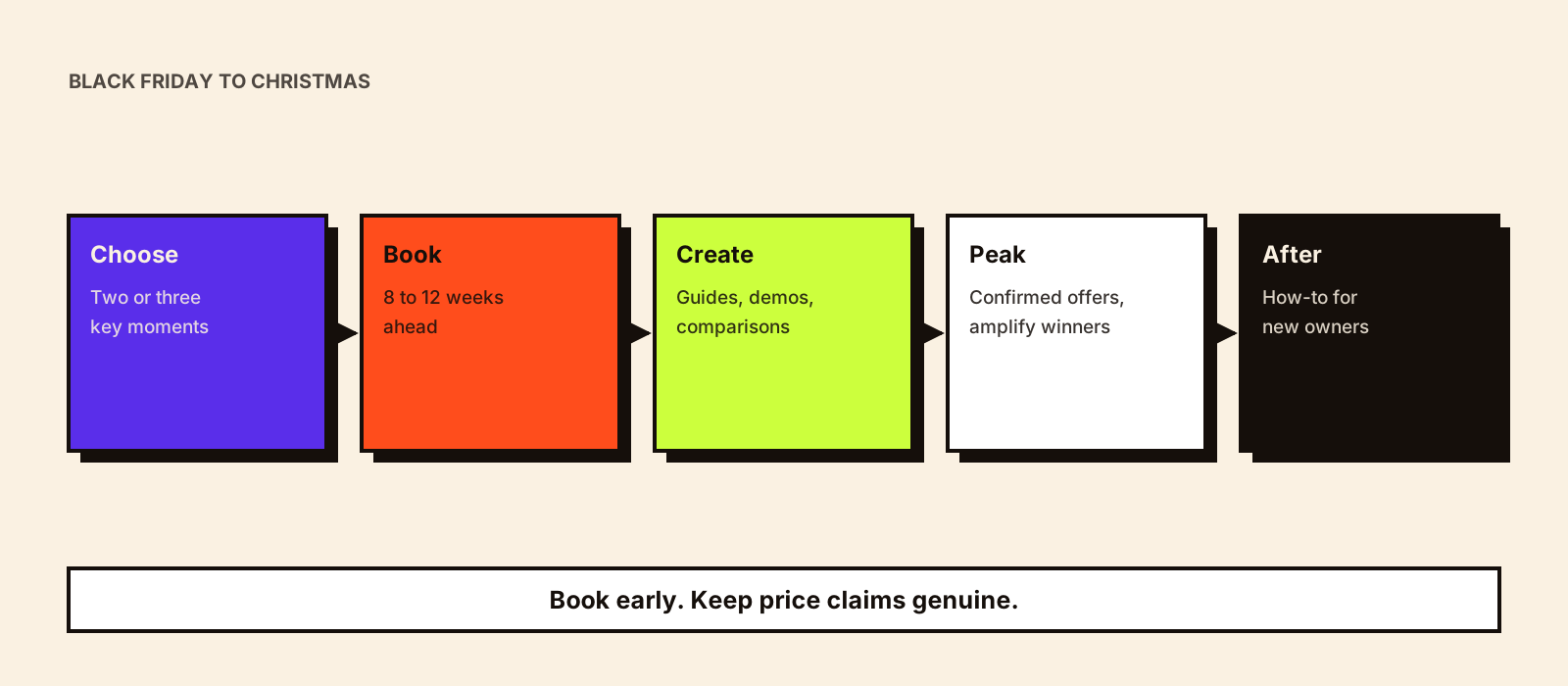
In the UK, the busiest creator weeks of the year are also the most crowded: Black Friday and Christmas compress demand for creators, inflate ad costs and fill feeds with discount codes. Brands that plan earlier, use creators for more than a code, and keep their pricing claims honest tend to get more from the season. This guide gives dates for 2026–27 and planning timelines.
Quick answer
Choose two or three moments that matter for your category, book creators 8 to 12 weeks ahead for Black Friday and Christmas, use creators for gift guides, demonstrations and comparisons rather than codes alone, line up paid amplification for the best content, and make sure every price claim is genuine: 'was' prices must be real and total prices shown upfront.
Key dates, 2026–27
| Moment | Date | Creator angle |
|---|---|---|
| Bonfire Night | Thursday 5 November 2026 | Events, food, local |
| Black Friday | Friday 27 November 2026 | Considered buys, comparisons, wishlists |
| Cyber Monday | Monday 30 November 2026 | Last-chance reminders |
| Christmas | Friday 25 December 2026 | Gift guides, hosting, how-to |
| Boxing Day sales | Saturday 26 December 2026 | Sale picks, returns help |
| January sales and new year | January 2027 | Resolutions, routines |
| Valentine's Day | Sunday 14 February 2027 | Gifts, experiences |
| Mothering Sunday | Sunday 7 March 2027 | Gifts; UK date differs from the US |
| Easter Sunday | 28 March 2027 | Food, family, spring |
| Father's Day | Sunday 20 June 2027 | Gifts |
| Back to school | August (Scotland) to early September (England, Wales, Northern Ireland) | Uniform, tech, routines |
Black Friday beyond discount codes
- Weeks before: demonstrations and honest comparisons so people decide what to buy before prices drop.
- Wishlist content: 'what I'd buy if it's discounted', without promising prices you haven't confirmed.
- On the day: short reminders with the confirmed offer; pause if stock runs out.
- After: setup and how-to content for new buyers, which also reduces returns.
- Paid amplification: run the content that performed in the weeks before, rather than new untested posts.
A Christmas timeline
| When | What to do |
|---|---|
| August to September | Choose moments, budget and products; brief agencies |
| September to early October | Book creators; agree usage rights for ads; send products |
| October | Content created and approved; claims and labels checked |
| November | Gift guides and demonstrations go live; amplify the best |
| Early to mid-December | Last-order-date reminders; delivery promises checked |
| Late December to January | Sale and post-gift content; how-to for new owners |
Pricing claims and sale rules
Under the DMCC Act, the CMA can fine businesses directly for misleading pricing. Its price transparency guidance (November 2025) says the total price, including unavoidable fees, should be shown upfront rather than added during checkout, and it has warned about misleading countdown timers. 'Was' prices in sale content must reflect genuine previous prices. A creator saying '50% off' is making your price claim, so give them only confirmed, accurate offers.
Christmas food and drink
Christmas content often features chocolate, mince pies and party food, many of which may count as less healthy under the rules in force from 5 January 2026. Paying creators to post identifiable less healthy products is likely to be prohibited online, and alcohol content must follow the under-25 rule. Check before briefing; see regulated products in UK influencer marketing.
Common mistakes
- Booking creators in November for Black Friday.
- Posting prices before they're confirmed.
- Inflated 'was' prices.
- Codes as the only creator content.
- Using the US Mother's Day date for UK content.
Conclusion
Seasonal success in the UK comes from planning early, using creators to help people choose, amplifying content that already works, and keeping price claims genuine. For selling through creators year-round, see UK e-commerce influencer marketing.