B2B and SaaS Influencer Marketing in Australia: Creators, Leads and the Rules
How Australian B2B and SaaS companies can work with industry creators on LinkedIn, YouTube and podcasts: choosing credible experts, formats that create pipeline, consumer law for B2B claims, Spam Act consent when creators drive leads, fair contracts with small creator businesses, and measuring pipeline.
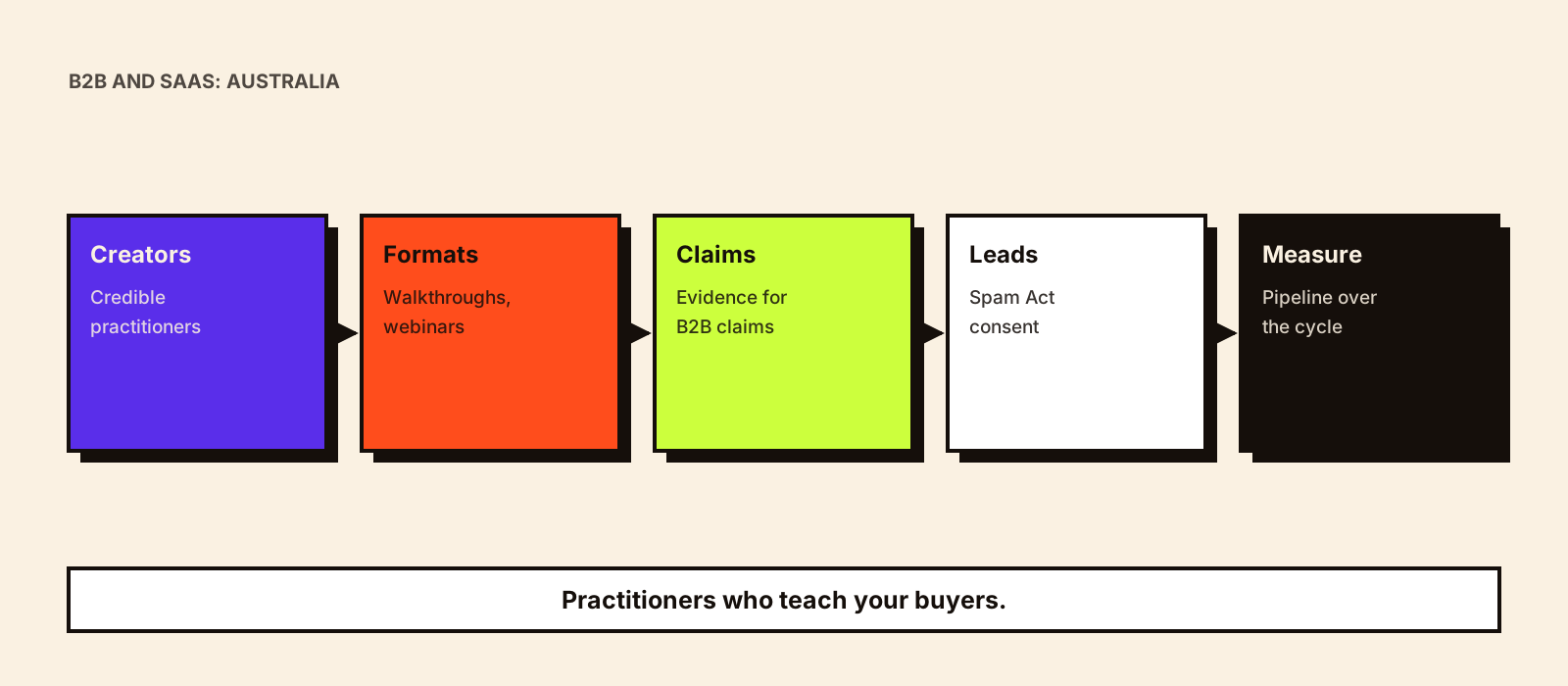
In B2B and SaaS, the creators who matter are practitioners: accountants, operators, engineers and founders whom buyers already follow on LinkedIn, YouTube or podcasts. Their audiences are small but valuable. This guide covers how Australian B2B companies can work with them, which formats create pipeline, and the rules that still apply when the buyer is a business.
Quick answer
Choose creators for credibility with your buyers, not reach, and use formats that teach: walkthroughs, webinars, podcasts and honest tool comparisons. Consumer law's ban on misleading conduct applies in trade or commerce, including to business buyers, so product claims need evidence. Disclose paid partnerships on LinkedIn as anywhere else. If creators drive sign-ups, follow the Spam Act for any marketing email that follows. Use fair contracts, since many creators are small businesses. Measure pipeline and revenue over a realistic sales cycle.
Choosing B2B creators
| Creator type | Where | Good for |
|---|---|---|
| Practitioners (finance, HR, ops, engineering) | LinkedIn, newsletters | Credibility with the buyer function |
| Tool reviewers and educators | YouTube | Evaluation-stage comparisons |
| Podcast hosts | Podcasts, YouTube | Long-form trust, founder stories |
| Community leaders | Slack groups, events, LinkedIn | Niche reach and referrals |
| Customers who create content | Proof, with disclosure if paid or incentivised |
Generic frameworks are in B2B creator partnerships on LinkedIn and the B2B creator economy.
Formats that create pipeline
- Workflow walkthroughs showing how the creator actually uses the product
- Co-hosted webinars with registration you own
- Podcast sponsorships with a specific offer or resource
- Honest comparisons with competitors, where the creator chooses the conclusion
- Templates or calculators the creator built with your product
B2B claims are still regulated
Misleading conduct rules apply in trade or commerce, not only to consumers. 'Saves 10 hours a week', 'Australia's leading' or 'fully compliant' need evidence and context. Customer stories used as ads must be genuine and disclose any incentive, following the ACCC's online reviews guidance. Paid LinkedIn posts need disclosure like any other platform.
Leads, consent and the Spam Act
When creators send people to a webinar or trial sign-up, the follow-up emails are commercial electronic messages. The ACMA's guidance on avoiding spam requires consent, accurate sender identification and a working unsubscribe honoured within five working days, and applies to businesses of all sizes. Make consent explicit on the sign-up form, and don't import a creator's audience list into your CRM.
Fair contracts with creator businesses
B2B creators are usually sole traders or small companies. Unfair contract terms laws can apply to standard form contracts with them, and exclusivity in a niche can cost a creator other income. Keep terms specific and fair. See influencer contracts in Australia.
Measuring B2B creator campaigns
- Self-reported attribution ('how did you hear about us?') on demo forms
- Creator links and codes for trials and webinars
- Pipeline and revenue from creator-sourced or influenced deals over two or three quarters
- Branded search and direct traffic during campaigns
- Sales team notes on creator mentions in calls
Common mistakes
- Choosing creators by follower count
- Scripting expert creators
- Unsubstantiated time-saving or ROI claims
- Emailing webinar sign-ups without clear consent
- Judging results after one month in a six-month sales cycle
Conclusion
B2B creator marketing works when credible practitioners teach your buyers something useful. Pay for expertise, keep claims evidenced, handle leads lawfully and measure over the sales cycle. This is general information, not legal advice.