Influencer Marketing for B2B Technology Brands: How to Work With Industry Creators
How enterprise technology companies (cloud, cybersecurity, data and AI, developer tools, IT services, hardware) work with creators: developers, architects, analysts and practitioners, technical content formats, communities and events, long enterprise buying cycles, claims accuracy and pipeline measurement.
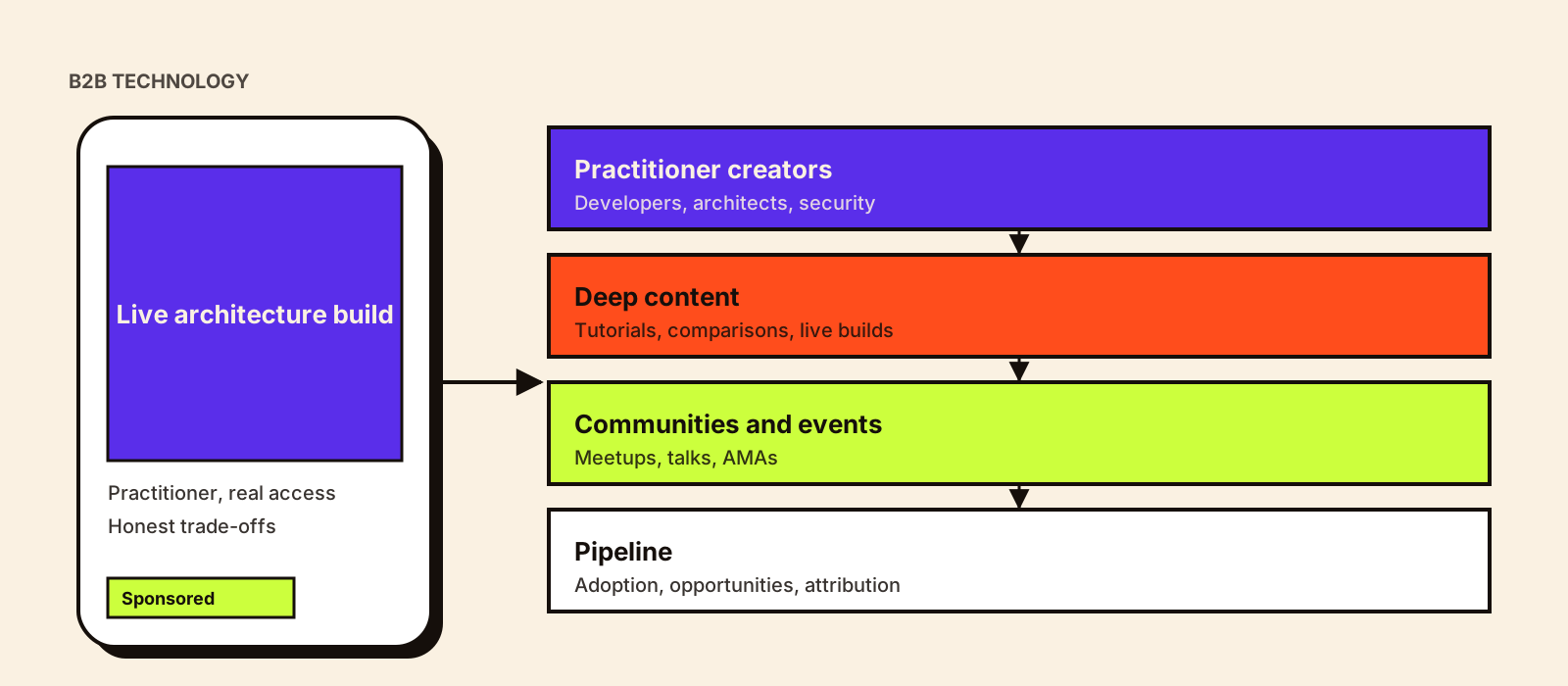
An engineer choosing a cloud database, a security team evaluating a new tool, a CIO comparing IT services partners: none of them are persuaded by polished ads. They're persuaded by people who have done the work, shown the trade-offs and been right before. That's why technical creators have become one of the most credible channels in enterprise technology.
This guide covers enterprise and infrastructure technology. Software-as-a-service products with self-serve or sales-led trials are covered in influencer marketing for SaaS.
Quick answer
B2B technology influencer marketing works with practitioners (developers, architects, security engineers, data scientists, IT leaders) and technical educators who already publish on YouTube, LinkedIn, blogs, newsletters, podcasts and community platforms. Formats that work are deep tutorials, architecture walkthroughs, honest comparisons, live builds and event sessions. Expect long buying cycles and buying committees, keep technical claims precise, and measure developer adoption, qualified pipeline and self-reported attribution rather than reach.
Segments and what buyers need
| Segment | Who evaluates | Creator content that helps |
|---|---|---|
| Cloud and infrastructure | Architects, DevOps, platform teams | Architecture walkthroughs, cost and performance trade-offs, migrations |
| Cybersecurity | Security engineers, CISOs | Threat explainers, hands-on tool tests, incident lessons |
| Data and AI | Data engineers, ML practitioners | Notebooks, benchmarks with methodology, real use cases |
| Developer tools and APIs | Developers | Live builds, tutorials, integration guides, open-source examples |
| IT services and consulting | CIOs, IT heads, procurement | Case discussions, frameworks, leadership conversations |
| Hardware and semiconductors | Engineers, system integrators | Teardowns, benchmarks, design-in stories |
Creator types
- Developer educators on YouTube and technical blogs.
- Practitioners posting on LinkedIn about their work.
- Community organizers of meetups, Discord and Slack groups, and conferences.
- Analysts and newsletter writers covering a technology category.
- Open-source maintainers, where the relationship is handled carefully and transparently.
- Regional tech creators in Hindi and other languages reaching India's large developer base.
Credibility matters more than reach. The distinctions between external creators, thought leadership, founder, executive and employee voices are set out in the B2B creator economy.
Formats that work
| Format | Why it works | Watch for |
|---|---|---|
| Deep tutorial or live build | Shows the product doing real work | Needs working access and support |
| Architecture or design walkthrough | Speaks to how decisions are made | Accuracy review by your engineers |
| Honest comparison | What evaluators search for | Fair methodology; no misleading benchmarks |
| Event talk or workshop | Hands-on trust with a room of practitioners | Clear sponsorship disclosure |
| Podcast or long interview | Depth with senior buyers | Measurement is indirect |
| Community AMA | Direct answers to real questions | Community rules and moderator approval |
Working with technical creators
- Give real access: accounts, credits or hardware, and an engineer they can ask.
- Brief on the problem and the audience, not a script; technical audiences spot scripts immediately.
- Allow honest limitations; they're what makes the recommendation credible.
- Review for technical accuracy, not tone; don't rewrite their voice.
- Disclose sponsorship clearly in video, description and posts.
- Plan for content longevity: tutorials and comparisons get found in search for a long time, so keep them updated when the product changes.
Long cycles and buying committees
Enterprise technology purchases involve several roles and can take months. Map creators to roles: developers and engineers for hands-on evaluation, architects for design fit, leaders for strategy and risk. Buying-committee mapping and stage-by-stage content are covered in creator-led B2B marketing.
Measurement
| Signal | How to capture |
|---|---|
| Developer adoption | Sign-ups, API keys, free-tier activations from creator links |
| Qualified pipeline | Opportunities with creator touches in the CRM |
| Self-reported attribution | "How did you hear about us?" on forms and in sales calls |
| Search demand | Branded and comparison search trends |
| Community signals | Questions, mentions and discussion in developer communities |
Common mistakes
- Choosing creators for follower counts rather than technical credibility.
- Scripted content that technical audiences reject.
- Benchmarks without methodology.
- Outdated tutorials left live after product changes.
- Judging success on views in a category where one right reader matters most.
Conclusion
B2B technology creator marketing rewards depth and honesty. Work with practitioners and educators your buyers already trust, give them real access, keep content accurate and current, map creators to the buying committee, and measure adoption and pipeline over the real sales cycle.