Influencer Marketing for Australian Beauty and Skincare Brands
How Australian beauty and skincare brands can work with creators within the rules: the line between cosmetics and therapeutic goods, why sunscreen testimonials from paid creators are restricted, substantiating claims, demonstration and before-and-after content, disclosure, and measuring sales across your store and retailers.
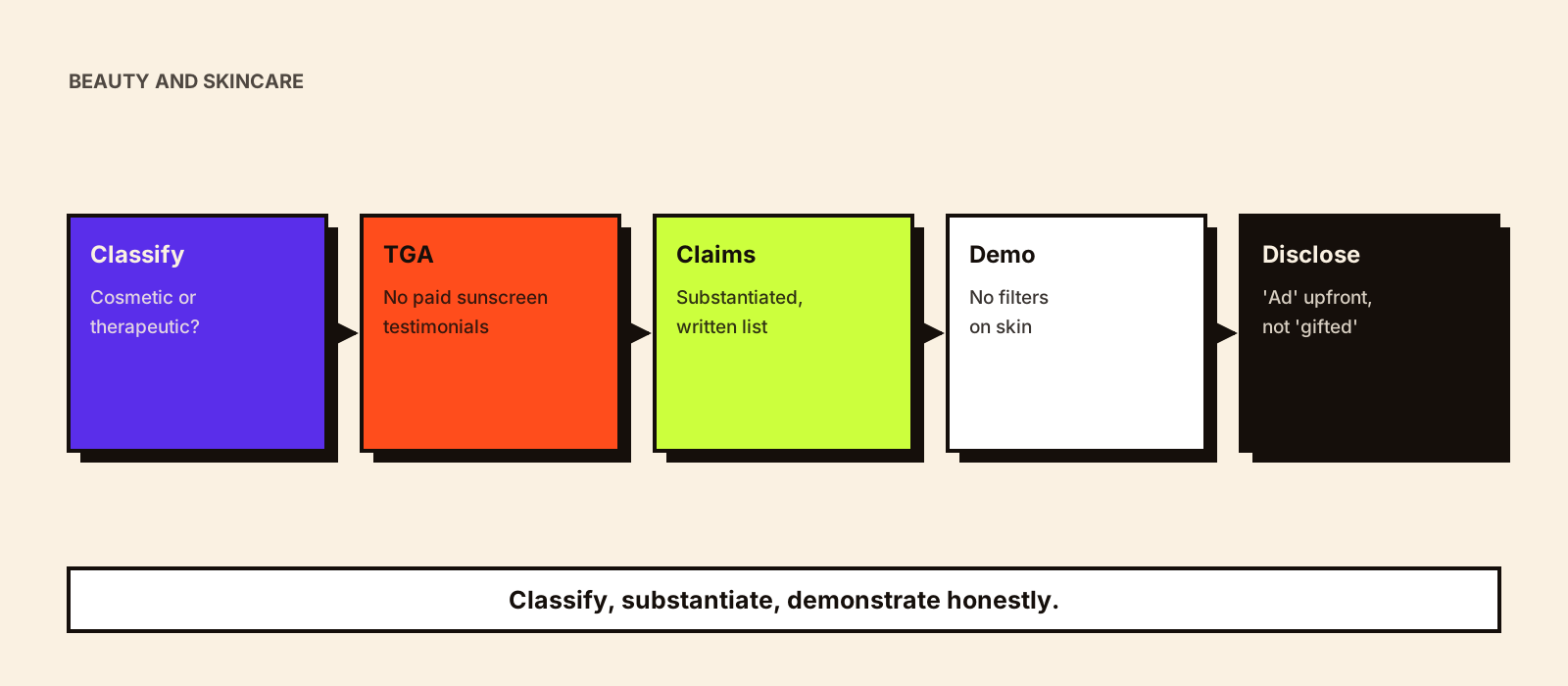
Beauty and skincare are among the most active creator categories in Australia, and among the most regulated. Sunscreens and products with therapeutic claims fall under the Therapeutic Goods Administration's advertising rules, which restrict testimonials from paid or gifted creators. Cosmetics are governed mainly by consumer law: claims must be true and provable. This guide is for brand and marketing teams planning beauty campaigns. It's general information, not regulatory advice.
Quick answer
First confirm whether each product is a cosmetic or a therapeutic good: primary sunscreens, and products making therapeutic claims such as treating a condition, are regulated by the TGA, and since 2022 paid or gifted creators can't give personal-experience testimonials for therapeutic goods. For cosmetics, make sure every claim is substantiated, show honest demonstrations without misleading filters, disclose every paid and gifted post clearly, and track sales across your store and retailers.
Cosmetic or therapeutic good?
| Product or claim | Usually | Creator implication |
|---|---|---|
| Moisturiser, makeup, cleanser with cosmetic claims | Cosmetic | Consumer law: claims must be true and substantiated |
| Primary sunscreen (main purpose is sun protection) | Therapeutic good | TGA advertising rules; no paid or gifted testimonials |
| Product claiming to treat acne, eczema or another condition | Likely therapeutic | Check with a regulatory adviser before any creator content |
| Supplements, vitamins | Therapeutic good (listed medicine) | TGA rules apply |
Checked 9 October 2026. Classification depends on ingredients, presentation and claims; confirm with the TGA or a regulatory adviser.
Sunscreen and the testimonial rule
The Therapeutic Goods Advertising Code changes that took effect in 2022 stopped people who are paid or gifted to promote therapeutic goods from giving testimonials, meaning personal accounts of their experience. As reported by AdNews, influencers can still be part of a therapeutic-goods brand's marketing if they don't give a personal account of using the product. In practice: a paid creator can show a sunscreen and state approved facts, but shouldn't say how it worked for their skin.
Substantiating cosmetic claims
- Keep evidence for every claim creators will repeat ('hydrates for 24 hours', 'non-comedogenic', 'vegan')
- Avoid therapeutic language for cosmetics ('treats', 'heals', 'cures')
- Be careful with 'natural', 'clean' and 'chemical-free'; they're easily misleading
- Comparative claims need robust, current evidence
- Give creators a written approved-claims list
Demonstrations, filters and before-and-after
- Apply products in real time, in natural light
- No skin-smoothing or beautifying filters on demonstrations; they misrepresent results
- Before-and-after only for substantiated, typical results, with identical conditions and the time between images stated
- Ask creators to describe their skin type so viewers can relate
- Show a range of skin tones and types across the campaign
A detailed demonstration brief and template, written for Gulf markets but transferable, is in how to brief influencers for skincare product demonstrations.
Disclosure
Gifted beauty products are the classic grey area. If there's any expectation of content, the post must be clearly advertising; Ad Standards has found the word 'gift' alone insufficient. Ask creators to start captions or videos with 'Ad' or 'Gifted ad' and use the platform's partnership label. The broader rules are in Australian influencer advertising rules.
Measuring sales across channels
| Where it sells | How to track |
|---|---|
| Your online store | Creator links and codes; net orders after returns |
| Pharmacy and beauty retailers | Sell-out data for featured products vs baseline; retailer-specific offers |
| Marketplaces | Marketplace codes or tracked links where available |
| Overall | Branded search and brand lift where budgets allow |
Online measurement is covered in influencer marketing for Australian e-commerce brands.
Common mistakes
- Paid creators describing how a sunscreen worked for them
- Therapeutic claims for a cosmetic
- Filters on skin in demonstrations
- 'Gifted' as the only disclosure
- Before-and-after images taken in different conditions
Conclusion
Australian beauty marketing rewards honesty and punishes overclaiming. Classify each product, respect the TGA's testimonial rule for sunscreens and therapeutic goods, substantiate every cosmetic claim, demonstrate without filters and disclose clearly. That protects the brand and makes the content more convincing.