Influencer Marketing for Australian Food and Beverage Brands
How Australian food and drink brands can work with creators: the AANA Food & Beverages Advertising Code (occasional food and children's audiences), the Children's Advertising Code, health and nutrition claims, alcohol under ABAC, environmental claims, and measuring retail sales.
Food and drink content is among the most-watched creator content in Australia, from recipes and taste tests to supermarket hauls. For packaged food and drink brands, it's also a category with specific advertising codes, particularly for anything children may watch. This guide covers the rules and how to plan, brief and measure creator campaigns for food and beverage brands. Venues and restaurants are covered separately in hospitality influencer marketing in Australia.
Quick answer
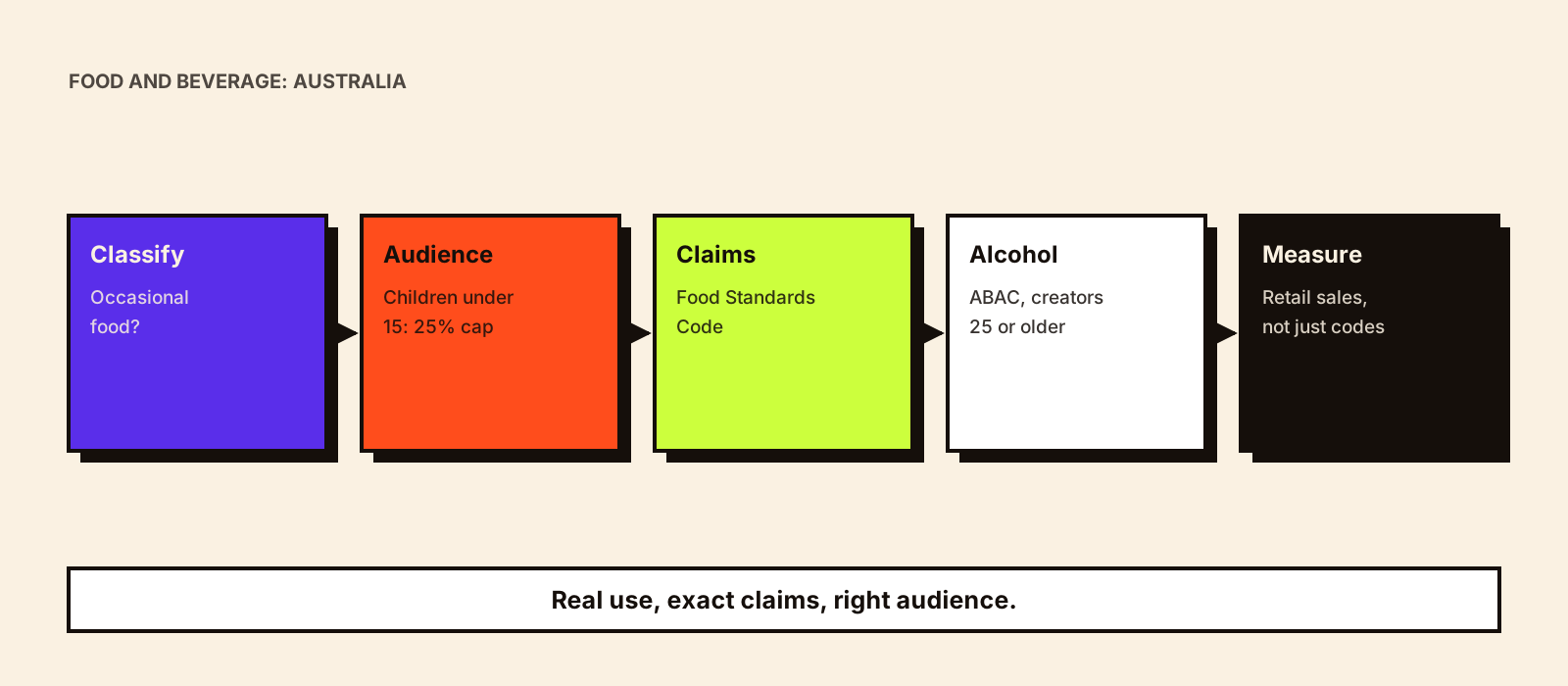
Check whether the product is an 'occasional' food or drink under the AANA Food & Beverages Code (one that fails the FSANZ nutrient profiling test). If it is, its advertising must not target children under 15, and it should only run where children are 25% or less of the audience. Advertising directed at children must also meet the Children's Advertising Code. Health and nutrition claims must follow the Food Standards Code. Alcohol has its own code under ABAC, with creators 25 or older. Disclose every paid or gifted post.
Occasional food and children's audiences
The AANA Food & Beverages Advertising Code, in effect since 1 November 2021, defines children as under 15 and treats food or drink that fails the FSANZ Nutrient Profiling Scoring Criterion as 'occasional'. Advertising for occasional food can't target children and should only appear where children make up 25% or less of the audience. That threshold applies to digital media, including creator content. Read the AANA's announcement of the Food & Beverages Code.
- Ask creators for their audience age split; look for the share under 15 and under 18
- Avoid creators whose content or audience is mainly children for occasional food
- Don't use themes, characters or challenges designed for children
- Remember that major platforms must restrict accounts for under-16s, but children can still view some content logged out
- Advertising directed at children must be immediately recognisable as advertising under the AANA Children's Advertising Code
The Children's Advertising Code and the under-16 restrictions are covered in Australia's under-16 social media restrictions.
Health and nutrition claims
Claims such as 'high in protein', 'good source of fibre' or 'supports immunity' are regulated nutrition content and health claims under the Food Standards Code. Creators shouldn't make health claims that your label and evidence can't support. FSANZ's page on nutrition, health and related claims explains the framework. Put the approved claims word for word in the brief.
Alcohol and low and no alcohol drinks
ABAC's July 2026 guide for brands working with influencers makes brands responsible for influencer posts, requires influencers to be 25 or older, and expects age-restriction controls. Low and no alcohol products that carry an alcohol brand's name can also raise ABAC issues. Read the ABAC guide for brands working with influencers.
Packaging and environmental claims
Food and drink was one of the sectors where the ACCC's 2022 sweep found the most concerning environmental claims. If creators mention packaging, recycling or sourcing, give them specific, evidenced wording. See influencer marketing for sustainable brands in Australia.
Formats that work
| Format | Good for | Watch for |
|---|---|---|
| Recipes using the product | Usage ideas, repeat purchase | Nutrition claims in captions |
| Honest taste tests | Launches, credibility | Don't script positive reactions |
| Supermarket finds | Retail availability | Prices and availability must be accurate |
| Seasonal entertaining | Christmas, Easter, sport finals | Occasional food and family audiences |
| Behind the scenes | Provenance and makers | Origin claims need evidence |
Measuring retail sales
- Most food sales happen in supermarkets, where creator links can't track purchases
- Use regional or retailer-level sales comparisons, with and without creator activity
- Track online retailer clicks or recipe page visits as leading signals
- Run brand lift or search-trend checks for launches
- Separate creator effects from price promotions running at the same time
Common mistakes
- Choosing family creators with large child audiences for occasional food
- Creators adding 'healthy' or 'guilt free' in captions
- Using creators under 25 for alcohol brands
- Undisclosed gifted hampers
- Measuring supermarket brands on code redemptions alone
Conclusion
Food and drink creator campaigns work best with real use and honest reactions. Check the product's classification and the audience's age, brief claims exactly, and measure sales in the channels where people actually buy. This guide is general information for marketers, not legal advice. Rules change, so check the current guidance from the regulators linked here, and take legal or compliance advice before running campaigns in this category.