Australia's Under-16 Social Media Restrictions: What Brands and Creator Campaigns Need to Review
What Australia's social media minimum age means for brands and creator campaigns: which platforms are covered, what platforms must do, what the law doesn't do, how youth-skewed campaigns, creator selection, measurement and privacy plans should change, and what to watch next.
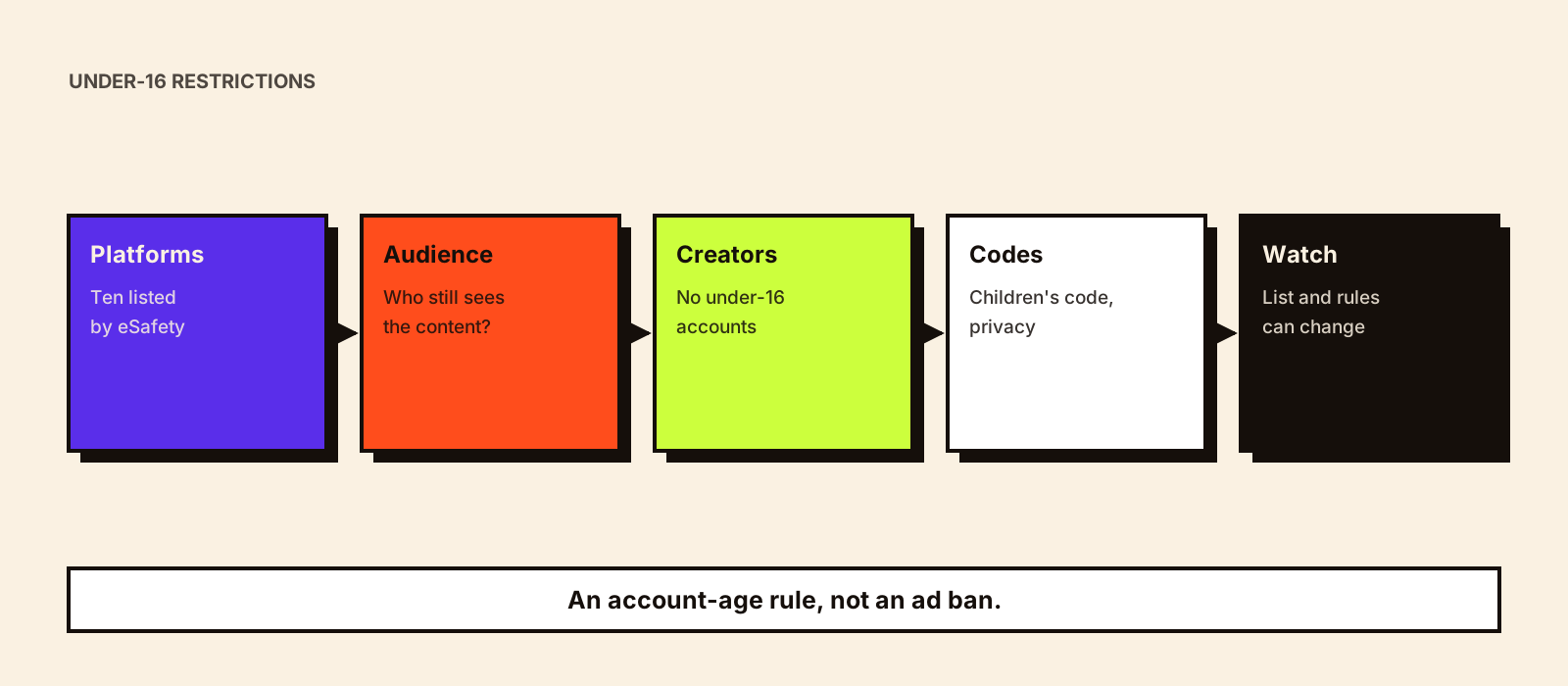
Since 10 December 2025, major social media platforms have had to take reasonable steps to prevent Australians under 16 from holding accounts. The law is aimed at platforms, not brands, but it changes who campaigns can reach and which creators brands can work with. This guide explains what the law does and doesn't do, and what brand and agency teams should review. It's general information based on official guidance at the time of review, not legal advice.
Quick answer
Australia's social media minimum age requires covered platforms (including Facebook, Instagram, Snapchat, Threads, TikTok, X, YouTube, Reddit, Kick and Twitch, according to eSafety) to take reasonable steps to stop under-16s from holding accounts. Penalties apply to platforms, not to children, parents, creators or brands. Brands should review youth-skewed campaigns, avoid creators under 16 on covered platforms, re-check audience age data, keep following advertising codes for children, and watch for the Children's Online Privacy Code.
What the law does
- Requires age-restricted social media platforms to take reasonable steps to prevent Australians under 16 from having accounts
- Applies from 10 December 2025
- Platforms face civil penalties of up to $49.5 million for failing to comply, according to eSafety
- Covered platforms named by eSafety: Facebook, Instagram, Kick, Reddit, Snapchat, Threads, TikTok, Twitch, X and YouTube; the list can change
Checked 9 October 2026. Sources: eSafety's list of age-restricted platforms, eSafety's FAQs and its media release on penalties. eSafety has also said services such as WhatsApp, Messenger, YouTube Kids, Discord, Pinterest and Roblox didn't meet the criteria when assessed; check the current list before planning.
What the law doesn't do
- It doesn't penalise children, parents or carers, according to the government's fact sheet
- It doesn't stop under-16s viewing publicly available content without logging in
- It doesn't replace advertising codes, consumer law or privacy law, which still apply
- It isn't an advertising ban; it's an account-age rule for platforms
Source: the Department of Infrastructure's Social Media Minimum Age fact sheet (January 2026).
What brands should review
| Area | Question to ask | Likely change |
|---|---|---|
| Target audience | Did the campaign rely on under-16s seeing content while logged in? | Shift to parents, older teens, or channels outside the restriction |
| Creators | Are any creators under 16, or are accounts run for them? | Don't book under-16 creators on covered platforms; take advice on family accounts |
| Audience data | Has the creator's audience age changed since December 2025? | Request fresh, dated audience screenshots |
| Content | Is content still directed primarily at children under 15? | Apply the AANA Children's Advertising Code |
| Data and privacy | Do you collect data from young people through campaigns? | Prepare for the Children's Online Privacy Code |
| Measurement | Do historic youth benchmarks still apply? | Reset baselines; compare like with like |
Other rules still apply
Advertising directed primarily at children under 15 must meet the AANA Children's Advertising Code. Separately, the OAIC released an exposure draft of a Children's Online Privacy Code in March 2026, with registration required by 10 December 2026; check whether it has commenced and what it requires before collecting young people's data. Consumer law disclosure rules apply to every sponsored post regardless of audience age.
Planning youth-relevant campaigns now
- Speak to parents and families through parent creators, especially for products bought for children
- For 16–18 audiences, use creators whose audience data confirms that age group and be cautious with categories that need adult audiences
- Use platforms and formats outside the restriction only where they genuinely fit and their own rules allow
- Keep content age-appropriate even where under-16s may view logged out
- Document why you believe your campaign is not directed at under-16s on covered platforms
Categories with young audiences have extra considerations: see our guides to gaming and esports, universities and education, and food and beverage brands.
What to watch
- Changes to eSafety's list of age-restricted platforms
- Enforcement actions and reports on compliance
- Proposed changes to penalties
- Commencement and final content of the Children's Online Privacy Code
- Platform changes to youth features and audience data
Common mistakes
- Treating the law as an advertising ban, or ignoring it entirely
- Using audience data from before December 2025
- Booking creators under 16 on covered platforms
- Forgetting children's advertising and privacy rules
- Assuming the platform list is fixed
Conclusion
The minimum age law changes who's on Australian social platforms, not the rules for advertising. Review youth-skewed campaigns, creator choices, audience data and privacy plans, keep to the children's code, and check eSafety's guidance before each campaign, because the details are still evolving. The wider rules are in Australian influencer advertising rules.