Influencer Marketing for Australian Universities and Education Providers
How Australian universities, TAFEs, colleges and education providers can work with student and alumni creators: accurate course and outcome claims, international student marketing and the ESOS National Code rules on education agents, the 2026 ban on commissions for onshore transfers, migration claims and under-16 audiences.
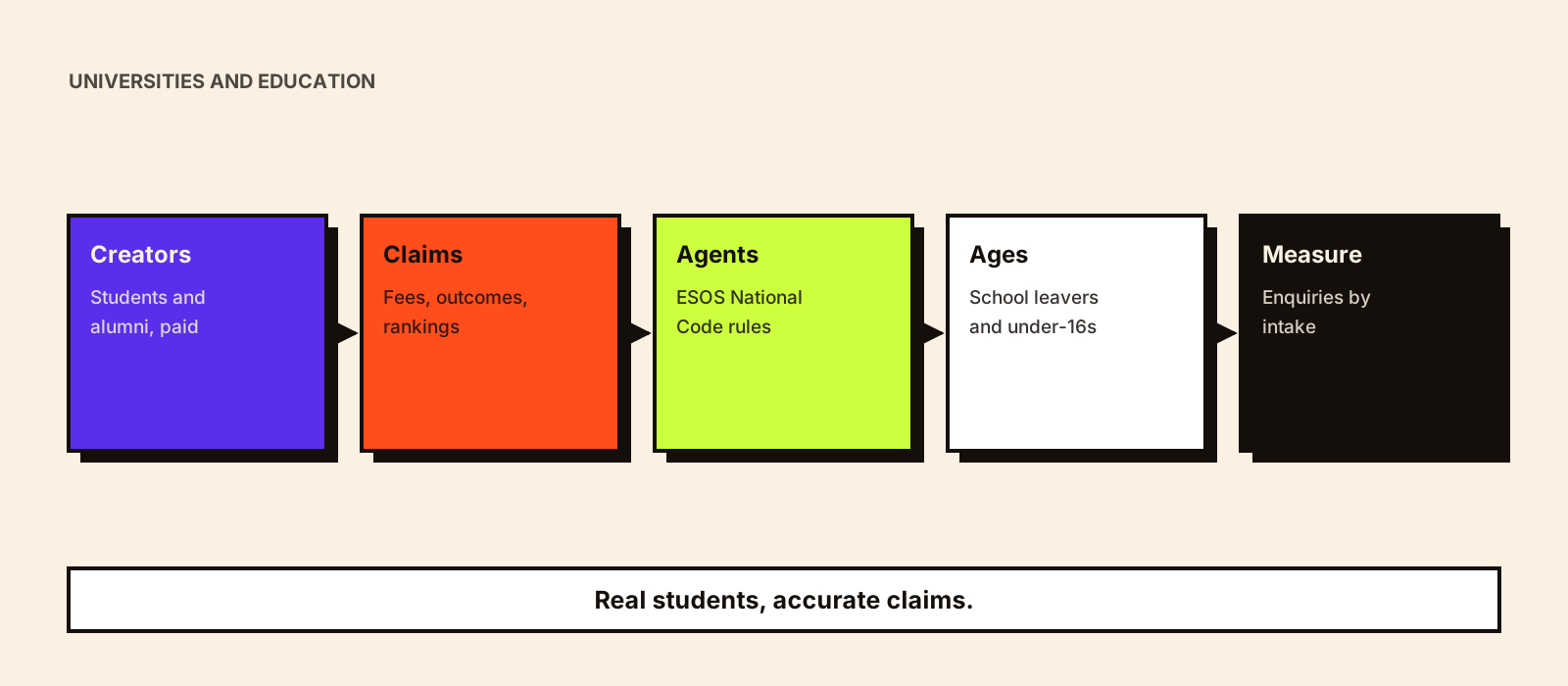
Prospective students trust other students. That makes student and alumni creators valuable for Australian universities, TAFEs and private colleges, both for domestic recruitment and for international students choosing a country and a course. Education marketing also comes with specific obligations, particularly for international students. This guide covers how to plan creator programs and where the rules apply.
Quick answer
Use current students and alumni as creators, paid and disclosed, showing real experiences. Keep course, cost, outcome and employment claims accurate under consumer law. For international students, providers are responsible under the ESOS National Code for the education agents they use, and from 2026 can't pay agents commissions for students transferring from another provider onshore. Never let creators imply visa or migration outcomes. Check audience age for school-leaver campaigns, given the under-16 account restrictions.
Who makes good education creators
| Creator | Strength | Watch for |
|---|---|---|
| Current students | Day-to-day credibility | Pay and disclose; don't script; workload |
| Alumni | Outcomes and careers | Outcome claims must be typical or labelled as personal |
| Student creators from source countries | Language and cultural relevance for international audiences | Agent rules if they recruit |
| Academics and staff | Expertise | Clear it's institutional content |
| Study and career creators | Reach among prospective students | Audience location and age |
International students and agent rules
Under Standard 4 of the ESOS National Code, registered providers must ensure education agents act ethically, honestly and in students' best interests, with written agreements and corrective action when agents don't comply. A creator who recruits students on your behalf, for example with a referral fee per enrolment, may be acting as an agent; get advice before structuring payments that way. The Department of Education says the National Code was amended in January 2026 to ban agent commissions for onshore transfers (students already studying with another provider), except where the student was accepted on or before 31 March 2026. See the department's page on changes to the legislative framework for overseas students.
- Pay creators for content, not per enrolment, unless they're properly engaged as agents
- Don't target students already enrolled elsewhere in Australia with transfer incentives
- Keep claims about work rights, visas and migration out of creator content
- Check claims about costs, scholarships and accommodation are current
- International demand is managed: the National Planning Level is 295,000 new overseas student commencements for 2026 and 2027
Source for the planning level: Study Australia's update on international education settings for 2027.
Accurate claims
- Rankings: name the ranking, year and subject
- Employment outcomes: use your published data and its date
- Fees: show the full cost and what's included
- Entry requirements and pathways: current and complete
- Campus life: real, not staged as typical
The ACCC's rules on social media promotions apply to paid student creators. See Australian influencer advertising rules.
School leavers and younger audiences
Year 10 and 11 students considering pathways may be under 16, and major platforms must restrict accounts for under-16s. Reach school-age audiences through parents, schools, careers advisers and platforms not on the restricted list, and check audience age for creators. See Australia's under-16 social media restrictions.
Measuring education campaigns
- Track enquiries, open-day registrations and applications by creator link
- Measure by intake, as decisions take months
- For international students, report by source country
- Ask applicants how they heard about you
Common mistakes
- Unpaid student ambassadors expected to post as a favour
- Per-enrolment payments to creators without considering agent rules
- Migration or work-rights claims
- Outdated fees and scholarship information
- School-leaver campaigns on age-restricted platforms
Conclusion
Student creators are the most credible voice an education provider has. Pay them, disclose it, keep claims accurate and current, and structure international recruitment within the agent rules. This guide is general information for marketers, not legal advice. Rules change, so check the current guidance from the regulators linked here, and take legal or compliance advice before running campaigns in this category.