How to Find and Vet Influencers in Australia: A Brand Safety Checklist
How Australian brands can find creators and check them before contracting: discovery methods, Australian audience location and quality, disclosure history, brand safety and content history, sector and age considerations, contracts and a printable vetting checklist, with the limits of public metrics and tools.
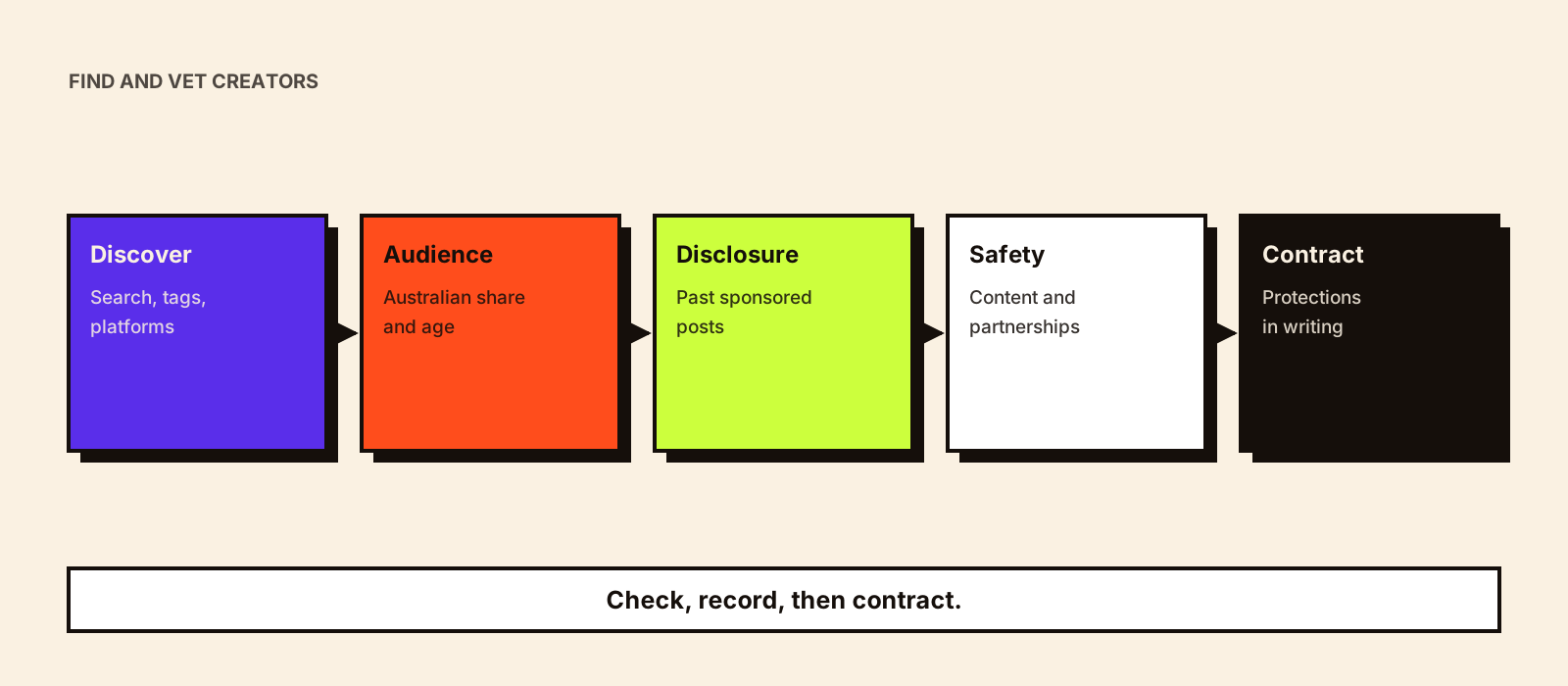
Finding creators in Australia is the easy part; checking them is where campaigns are won or lost. A creator with a large but mostly overseas audience, a history of undisclosed ads or content that conflicts with your brand can waste budget or create risk. This guide covers both steps, for brand and marketing teams building Australian shortlists.
Quick answer
Find Australian influencers through platform search and hashtags, location tags, competitor and category research, creator platforms and inbound applications. Before contracting, check that a meaningful share of the audience is in Australia (and in your target state or city), that engagement looks genuine, that past sponsored posts were clearly disclosed, that content history fits your brand, and that sector and age rules don't rule the creator out. Record the evidence, and remember public metrics and tools are estimates.
Where to find creators
| Method | Good for | Limit |
|---|---|---|
| Platform search and hashtags | Niche and topic creators | Time-consuming |
| Location tags and local content | City, suburb or regional creators | Tags show where content was made, not where followers live |
| Category and competitor research | Creators already working in your category | Check exclusivity |
| Creator platforms and databases | Filters by audience location | Data is modelled; verify |
| Customers and fans | Authentic advocates | May lack reach or experience |
Audience checks
- Ask for screenshots of audience location by country and city from the platform's own analytics, dated
- Check age split, especially for youth categories and alcohol
- Look at who comments: real people from your market, or generic and repetitive accounts?
- Compare engagement over time; sudden spikes can signal bought engagement
- Check overlap if you're booking several creators in one niche
Audience scoring is covered in influencer audience quality, and overlap in how to detect influencer audience overlap.
Estimating Australian audience share
Total reach isn't useful if much of it is overseas. Estimate effective Australian reach for each creator before comparing prices. Use the platform's own audience data, not third-party estimates alone, and ask for screenshots dated within the last 30 days.
Typical reach or views per post (median of last 10):   ______
Share of audience in Australia (platform analytics):   ______ %
Share in your target state or city, if local:          ______ %

Effective Australian reach = typical reach × Australian share
Effective local reach      = typical reach × local share
Cost per 1,000 effective Australian reach = fee ex GST ÷ effective reach × 1,000
Hypothetical example: creator A reaches 40,000 per post with 85% of followers in Australia (34,000 effective); creator B reaches 90,000 with 30% in Australia (27,000 effective). At similar fees, A is better value for an Australian brand. Audience location for followers and for viewers of a specific post can differ, so ask for both where the platform shows them. City-level checks for local campaigns are in local and regional influencer marketing in Australia.
Disclosure and compliance history
- Review the last 20–30 sponsored posts: were they clearly disclosed upfront?
- Look for vague labels ('gifted', 'collab', 'spon') or no label at all
- Check for health, sunscreen or alcohol content that wouldn't meet TGA or ABAC rules
- Search for past complaints or Ad Standards determinations involving the creator
A creator who regularly fails to disclose is a risk to your brand as well as theirs; the ACCC has penalised businesses over influencer posts. The rules are in Australian influencer advertising rules.
Brand safety checklist
| Check | What to look for |
|---|---|
| Content history | Statements, jokes or imagery that conflict with your values or audience |
| Past partnerships | Competitors, controversial brands, very frequent sponsorships |
| Audience behaviour | Comment sections with abuse or harassment the creator ignores |
| Professional claims | Health, finance or legal advice given without qualifications |
| Age and audience | Youth-heavy audiences for adult categories; creator age for alcohol |
| Cultural respect | Use of First Nations culture, imagery or places without permission |
| Reliability | Late or missed deliverables reported by other brands, where you can find out |
Record what you found and when. Don't label a creator as fraudulent or unsafe publicly without strong evidence; simply decide not to work with them. A general framework is in influencer marketing brand safety, and detailed vetting steps in how to vet influencers.
Age and platform considerations
Since 10 December 2025, major platforms must take reasonable steps to prevent Australians under 16 from holding accounts. That affects which creators you can work with (under-16 creators can't hold accounts on those platforms) and who sees content. Implications for campaigns are covered in Australia's under-16 social media restrictions.
Contract protections
- Disclosure wording and placement required in every post
- Approved claims only; draft approval before posting
- Right to request edits or removal if a post breaches the brief or the law
- Exclusivity and conflicts stated
- Usage rights, duration and paid use
- A morals or conduct clause appropriate to your brand
The limits of tools and public metrics
- Follower counts and engagement rates can be inflated
- Fraud-detection scores are estimates from samples
- Audience location from tools is modelled; ask for first-party screenshots
- No check removes all risk; it reduces it and documents your diligence
Common mistakes
- Choosing creators by follower count without checking Australian audience share
- Ignoring past undisclosed ads
- No brand-safety review of older content
- Booking youth-skewed creators for adult categories
- No written record of checks
Conclusion
Good vetting is a short, repeatable checklist: Australian audience, genuine engagement, clean disclosure history, brand-safe content and the right age profile. Do it for every creator, record it, and write the protections into the contract.