Local and Regional Influencer Marketing in Australia: Cities, Regions and Local Creators
How to run city-level and regional creator campaigns in Australia: what population data says about Sydney, Melbourne, Brisbane and regional Australia, how to find and check local creators, state differences that affect timing, and how to measure results by area.
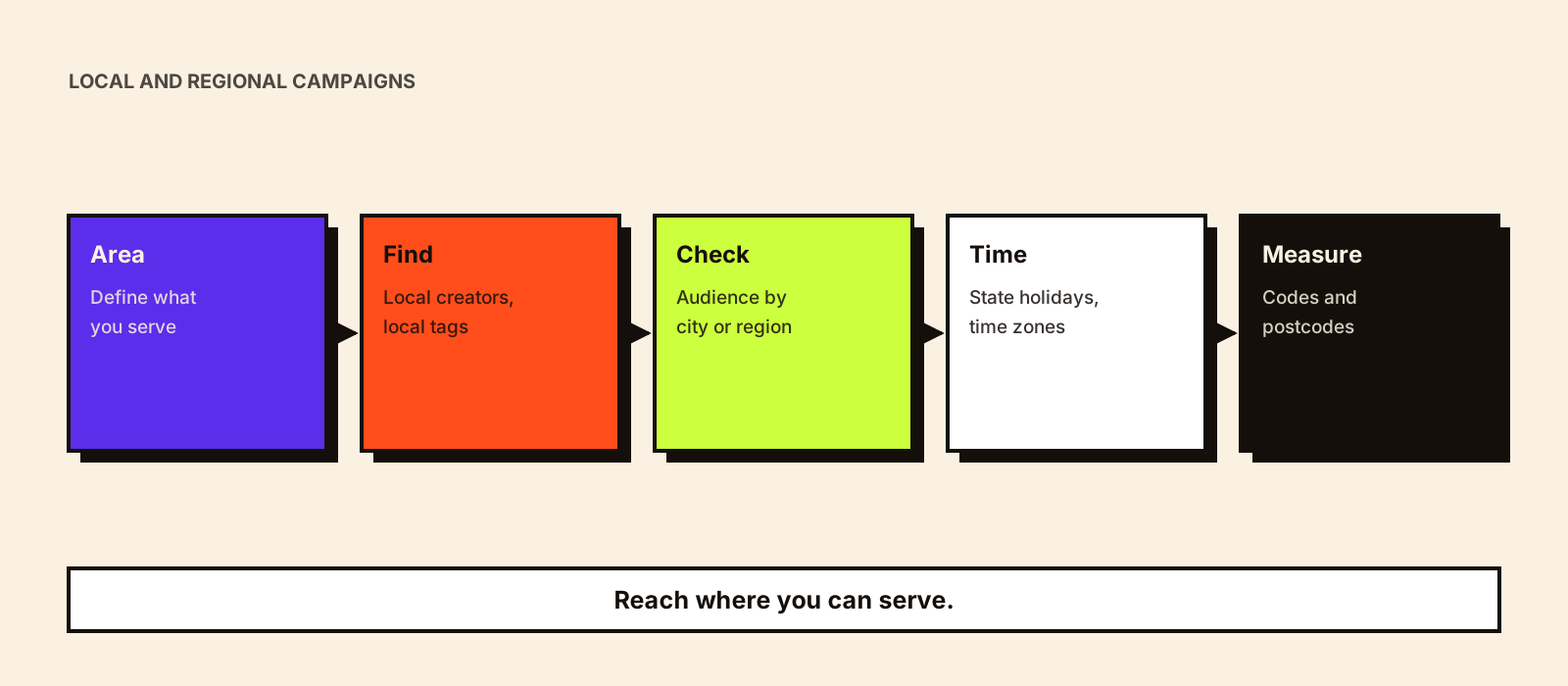
Many Australian businesses only sell in one city, region or state. For them, a creator with a large national audience can be a poor buy: most of the people reached can't visit the store or get the service. This guide explains how to plan creator campaigns for a specific area, what population data does and doesn't tell you about cities, and how to measure results locally.
Quick answer
Start with the area you can serve, then choose creators whose audience is mostly in that area, checked with dated screenshots of city-level audience data. Use several local creators rather than one national one, time posts for local holidays and time zones, and measure with area-specific codes, booking questions or postcodes. City differences in influencer marketing are often asserted but rarely measured, so plan from your own data rather than stereotypes.
What the population data says
| Area | Population at 30 June 2025 | Growth 2024–25 |
|---|---|---|
| Sydney | 5.64 million | 1.4% |
| Melbourne | 5.44 million | 2.0% |
| Brisbane | 2.83 million | 2.1% |
| Perth | 2.45 million | 2.4% |
| Adelaide | 1.49 million | 1.3% |
| All capital cities | 18.75 million | 1.8% |
| Regional Australia | 8.86 million | 1.1% |
Source: ABS, capital city growth slows (Regional population 2024–25, released 31 March 2026). About one in three Australians lives outside a capital city, and the fastest-growing areas were mostly outer suburbs. For local campaigns, that means suburban and regional creators can matter as much as inner-city ones.
Sydney vs Melbourne vs Brisbane
We haven't found independent research showing that influencer marketing works differently in Sydney, Melbourne or Brisbane, so we won't claim it does. What does differ is practical: audience size, which creators are based where, local events and holidays, and in Brisbane's case the time zone for half the year. Treat each city as its own small campaign, compare creators on the share of their audience in that city, and let results tell you where creator content works for your business.
- Sydney and Melbourne: the largest creator pools, and the most competition for them
- Brisbane: fast growth; Queensland doesn't use daylight saving, so summer posting times differ from Sydney's
- Perth: the fastest-growing capital in 2024–25, two or three hours behind the east coast
- Regional centres: smaller creator pools, often very local and trusted audiences
Finding local and regional creators
- Search platform location tags and local hashtags for your town or suburb
- Look at who your customers already follow and who tags your area
- Check local media, community pages and event pages for creators people mention
- Consider community group admins and local experts, not only lifestyle creators
- Ask regional tourism and business organisations who they work with
Then check the audience. Ask for city or region audience data from the platform's analytics, dated and as screenshots, and compare the share in your area. The vetting steps are in how to find and vet influencers in Australia, including a method for estimating effective local reach.
Timing for local campaigns
- School holidays are set by each state and territory
- Some public holidays are local, such as Melbourne Cup day in metropolitan Melbourne
- Queensland, Western Australia and the Northern Territory don't use daylight saving
- Regional events (shows, festivals, harvest seasons) can matter more than national dates
- Regional deliveries take longer; allow for product shipping
The national calendar is in influencer campaign timelines in Australia.
Measuring by area
- Give each creator a unique code or link, and record which area each one serves
- Ask 'how did you hear about us?' at booking or checkout, with creator names as options
- Compare postcodes of orders or bookings before and during the campaign
- For stores, compare sales in the campaign area with similar areas without creators
- Report reach in your area, not total reach
Hypothetical example: a café group in two regional towns works with three creators in each town for four weeks, each with their own code. Codes show which creators drive visits; a question at the counter catches people who didn't use one. The comparison between towns shows whether the approach is worth extending. For more on small budgets, see influencer marketing for small businesses in Australia.
Common mistakes
- Choosing creators by follower count instead of local audience share
- One national creator for a business that serves one area
- Assuming city differences without data
- Posting at east-coast times for a Perth audience
- Forgetting state school holidays and local public holidays
Conclusion
Local creator campaigns work when reach is measured where you can actually serve customers. Define the area, check where each creator's audience lives, respect local timing, and measure by area. Expand to new cities or regions when your own results support it.