Influencer Campaign Timelines in Australia: Lead Times, the Retail Calendar and Launches
How long an Australian influencer campaign takes, from brief to report: realistic lead times, extra time for regulated categories, the Australian retail and seasonal calendar (summer Christmas, EOFY, state school holidays) and a backward-planned product launch timeline.
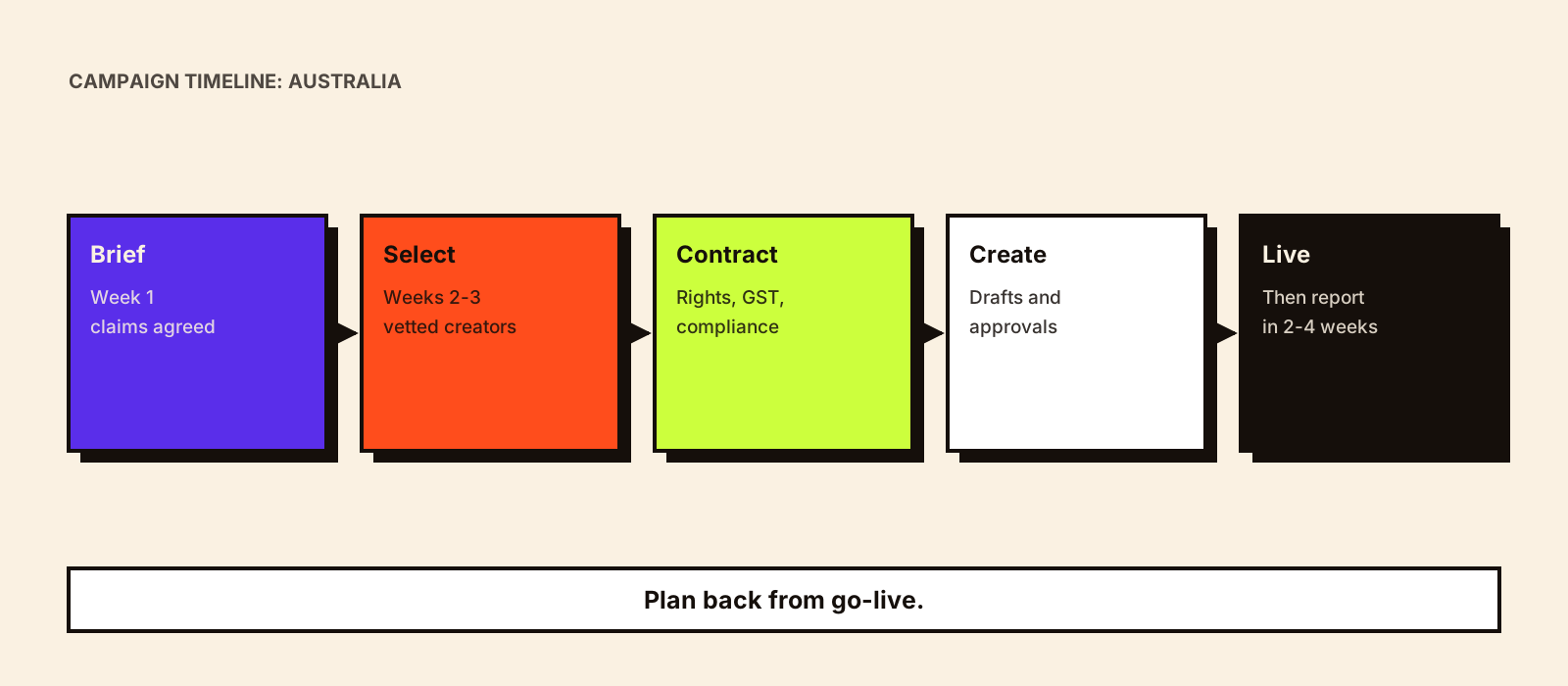
Most delays in creator campaigns come from steps that weren't planned: contracts, product shipping, claims checks and approvals. Australian campaigns add a few local factors: a retail calendar where Christmas falls in summer, a financial year that ends on 30 June, school holidays that differ by state, and extra checks for regulated categories. This guide sets out realistic lead times and a launch timeline you can plan backwards from.
Quick answer
Allow about six to ten weeks from brief to the first post for a typical campaign with several creators, and longer for regulated categories, product launches or peak periods when good creators book out. Work backwards from the go-live date: report about four weeks after the last post, approvals one to two weeks before posting, content creation two to three weeks before that, and contracts, product delivery and compliance checks before content starts. These are planning ranges from experience, not industry benchmarks.
A typical timeline
| Stage | Typical time | What causes delays |
|---|---|---|
| Brief and approvals internally | 1 week | Claims not agreed; no single decision-maker |
| Creator search and vetting | 1–2 weeks | Requesting audience data; creators slow to reply |
| Proposals and negotiation | 1 week | Usage rights and exclusivity priced late |
| Contracts and product delivery | 1–2 weeks | Shipping to regional areas; stock |
| Content creation | 1–3 weeks | Shoots needing locations, permits or weather |
| Review and approval | 3–10 business days | Several approvers; legal review in regulated categories |
| Live window | 1–4 weeks | Staggering posts; paid amplification |
| Reporting | 2–4 weeks after the last post | Waiting for sales data and creator screenshots |
Hypothetical example: a brand wanting posts live on 1 November would brief internally in early September, contract creators by late September, receive drafts in mid-October and approve them by 25 October. The generic version of this planning is in our influencer marketing campaign timeline guide.
Extra time for regulated categories
- Therapeutic goods: check claims against the TGA code and brief creators that the product is a therapeutic good
- Alcohol: ABAC guidance makes brands responsible for creator posts, with creators 25 or older and age controls; allow for pre-vetting
- Financial products: legal or compliance review of scripts and links against ASIC guidance
- Health services: Ahpra's testimonial ban changes what creators can say
- Environmental claims: evidence must exist before the claim is made
Budget an extra one to two weeks for these. The rules are summarised in Australian influencer advertising rules.
The Australian calendar
| Period | Why it matters | Planning note |
|---|---|---|
| Late January to early February | Back to school and Australia Day | School terms start on different dates by state |
| February to April | Valentine's Day, Easter, autumn ranges | Easter dates move each year |
| May | Mother's Day (second Sunday) and mid-year online sales | Gifting categories book creators early |
| June | End of financial year (30 June) | EOFY sales; B2B budgets reset in July |
| July | Winter school holidays | Holiday dates differ by state and territory |
| September | Father's Day (first Sunday), spring | Different from the UK and US dates |
| Late September to early October | AFL and NRL grand finals | Sport and food brands compete for attention |
| November | Black Friday, Cyber Monday and online sale events | Creator rates and availability tighten |
| December to January | Christmas and Boxing Day in summer, long school holidays | Many creators travel; content is summer-themed |
Some holidays are local: Melbourne Cup day is a public holiday in metropolitan Melbourne, and Brisbane has a show holiday in August. Australia also has several time zones, and Queensland, Western Australia and the Northern Territory don't use daylight saving, so a 7pm post in Sydney isn't 7pm everywhere. Local campaigns are covered in local and regional influencer marketing in Australia.
A product launch timeline
| When | Step |
|---|---|
| 8–10 weeks before | Brief, claims evidence, creator shortlist, embargo terms |
| 6 weeks before | Contracts signed, including usage rights for launch ads |
| 4 weeks before | Product samples delivered; creators test it properly |
| 2 weeks before | Drafts submitted; claims and disclosure checked |
| Launch week | Staggered posts; paid amplification of approved content; stock checked |
| 2–4 weeks after | Second wave of reviews from creators who used the product longer |
| 6 weeks after | Report on reach, sales, returns and what to keep for the next launch |
Give creators enough time to use the product before they post; reviews from people who have actually used it are more useful and are what the ACCC expects. Stock matters too: if a post says something is available, it should be. For launch strategy beyond timing, see our product launch guide.
Common mistakes
- Booking creators for November or December in October
- Using US or UK dates for Mother's Day or Father's Day
- One national posting time across time zones
- Ignoring state school holiday differences for family products
- No time for compliance review in regulated categories
- Asking for reviews before creators have used the product
Conclusion
Plan backwards from the go-live date, add time for anything regulated, and use the Australian calendar rather than a northern-hemisphere template. A realistic timeline is the cheapest way to get better creators and better content.