Health, Wellness and Fitness Influencer Marketing in Australia: TGA and Ahpra Rules
How health, wellness, supplement, fitness and clinic brands can work with creators in Australia: the TGA's social media guidance (paid testimonials, endorsements, comments, links and livestreams), Ahpra's ban on testimonials for regulated health services and the 2025 cosmetic procedure guidelines, and fitness claims.
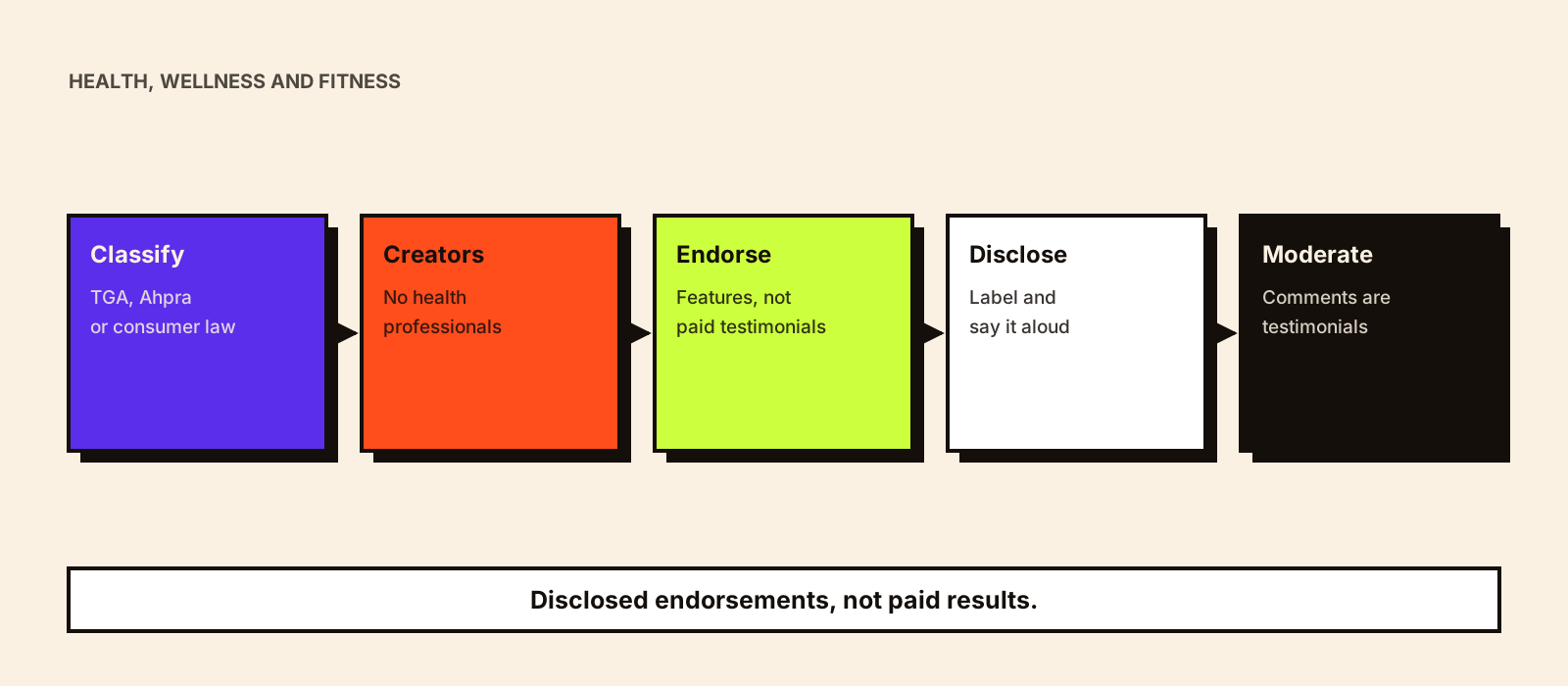
Health and wellness is a large creator category in Australia, and also one with specific advertising law. Medicines, supplements, sunscreens and medical devices are therapeutic goods regulated by the TGA. Clinics and practitioners are regulated health services under the National Law, administered by Ahpra and the National Boards. Fitness brands can fall under either, depending on what they sell and claim. This guide sets out what creators can and can't do for each.
Quick answer
For therapeutic goods, paid or incentivised testimonials (personal experience of using the product) aren't permitted, but paid influencers can give endorsements of product features if the commercial relationship is clearly disclosed. Current or former health professionals can't endorse. Comments on your posts count as testimonials, and links and hashtags form part of the ad. For regulated health services, the National Law bans testimonials in advertising, and since 2 September 2025 Ahpra's cosmetic procedure guidelines strengthen the ban on influencer testimonials and ban advertising aimed at under-18s. Prescription medicines can't be advertised to the public at all.
First, classify what you're promoting
| What you sell | Main regulator | Creator implications |
|---|---|---|
| Listed and OTC medicines, supplements, therapeutic sunscreens, medical devices | TGA (Advertising Code) | No paid testimonials; disclosed endorsements possible; required statements |
| Prescription medicines | TGA | Can't be advertised to the public, including by influencers |
| Services by registered practitioners (dentists, physios, GPs, cosmetic injectors and others) | Ahpra and National Boards | No testimonials in advertising; cosmetic procedure guidelines |
| Gyms, classes, apparel, equipment | ACCC (consumer law) | Accurate claims; results claims need evidence |
| Foods and sports foods | Food standards and ACCC | Health claims rules; some sports supplements are therapeutic goods depending on ingredients and claims |
TGA rules for social media
The TGA's guidance on advertising therapeutic goods on social media (last updated 5 November 2025) is the main reference. It says consumers should recognise content as advertising without clicking, that paid endorsements from influencers must clearly be identified as advertising, and that businesses may be responsible for non-compliant content they pay for. Businesses should tell creators the product is a therapeutic good and review their content.
- Testimonials vs endorsements: creators who received payment or free products can't describe their personal results; they may endorse features with disclosure
- Prohibited endorsers: current or former health practitioners, health professionals and medical researchers, among others
- Comments: third-party comments claiming personal use are testimonials, and sponsors should remove non-compliant ones
- Links, tags and hashtags: linked content is part of the advertisement; hashtags naming a disease can advertise the product for that disease
- Livestreams and podcasts: repeat disclosure and mandatory statements; use text overlays
- Old posts: historical posts must comply too
- Children: advertising directed to children under 12 is prohibited
- AI-generated content: the advertiser is responsible; fake testimonials and deepfakes are non-compliant
The difference between testimonials and endorsements is explained in the TGA's testimonials and endorsements guidance. Sunscreen and cosmetics specifics are in beauty and skincare influencer marketing in Australia.
Ahpra rules for health services
Section 133 of the National Law prohibits using testimonials to advertise a regulated health service. Ahpra describes a testimonial as a positive statement about clinical aspects: the symptom, the diagnosis or treatment, or the outcome. Comments about customer service that don't touch on clinical aspects aren't testimonials. The advertiser, meaning whoever controls the advertising, is responsible, including on social media pages it controls. See Ahpra's testimonial guidance.
For cosmetic procedures, Ahpra's guidelines in effect from 2 September 2025 strengthen the ban on testimonials from social media influencers, ban advertising aimed at under-18s, require higher-risk procedure ads to identify the practitioner, and introduce a seven-day cooling-off period for under-18s considering non-surgical procedures. Prescription-only injectables can't be advertised. Read Ahpra's announcement of the new cosmetic procedure guidelines.
Fitness brands
- Transformation results: show typical outcomes or don't imply they're typical; before-and-after content needs care
- Supplements: check whether the product is a food or a therapeutic good before writing claims
- Gyms and studios: membership terms, cancellation and prices must be accurate in creator posts
- Trainers who are also health practitioners (such as physiotherapists) bring Ahpra rules with them
- Under-16 audiences: major platforms restrict accounts, and youth-focused fitness campaigns need rethinking
Fitness creators are often the right fit for apparel, equipment and gyms, where consumer law rather than the TGA applies. The general guide is in Australian influencer advertising rules.
A safer campaign workflow
- 1. Classify each product or service and confirm the regulator
- 2. Choose creators who aren't prohibited endorsers
- 3. Brief on approved claims and required statements; no personal-result scripts for therapeutic goods
- 4. Require a clear paid partnership label and spoken disclosure
- 5. Review drafts, captions, hashtags and links before posting
- 6. Moderate comments during and after the campaign; record possible adverse events
- 7. Remove non-compliant content quickly, including older posts
Common mistakes
- Gifting supplements and asking creators to 'share your results'
- Using a nurse or pharmacist creator to endorse a therapeutic good
- Reposting patient or customer praise for a clinic
- Disease hashtags on product posts
- Leaving testimonial comments up
- Assuming disclosure fixes a prohibited testimonial
Conclusion
Health and wellness creator campaigns can work in Australia, but only with the right format: disclosed endorsements of features, not paid personal results, and no testimonials for health services. Classify first, brief precisely and moderate comments. This guide is general information for marketers, not legal advice. Rules change, so check the current guidance from the regulators linked here, and take legal or compliance advice before running campaigns in this category.