Influencer Campaign Cancellation: How Brands Should Decide and Handle It Professionally
Whether to cancel, postpone, rescope or replace; what changes depending on how far the campaign has gone; what to check in the agreement; and how to tell a creator, settle what's owed and close out content, rights and records without burning the relationship.
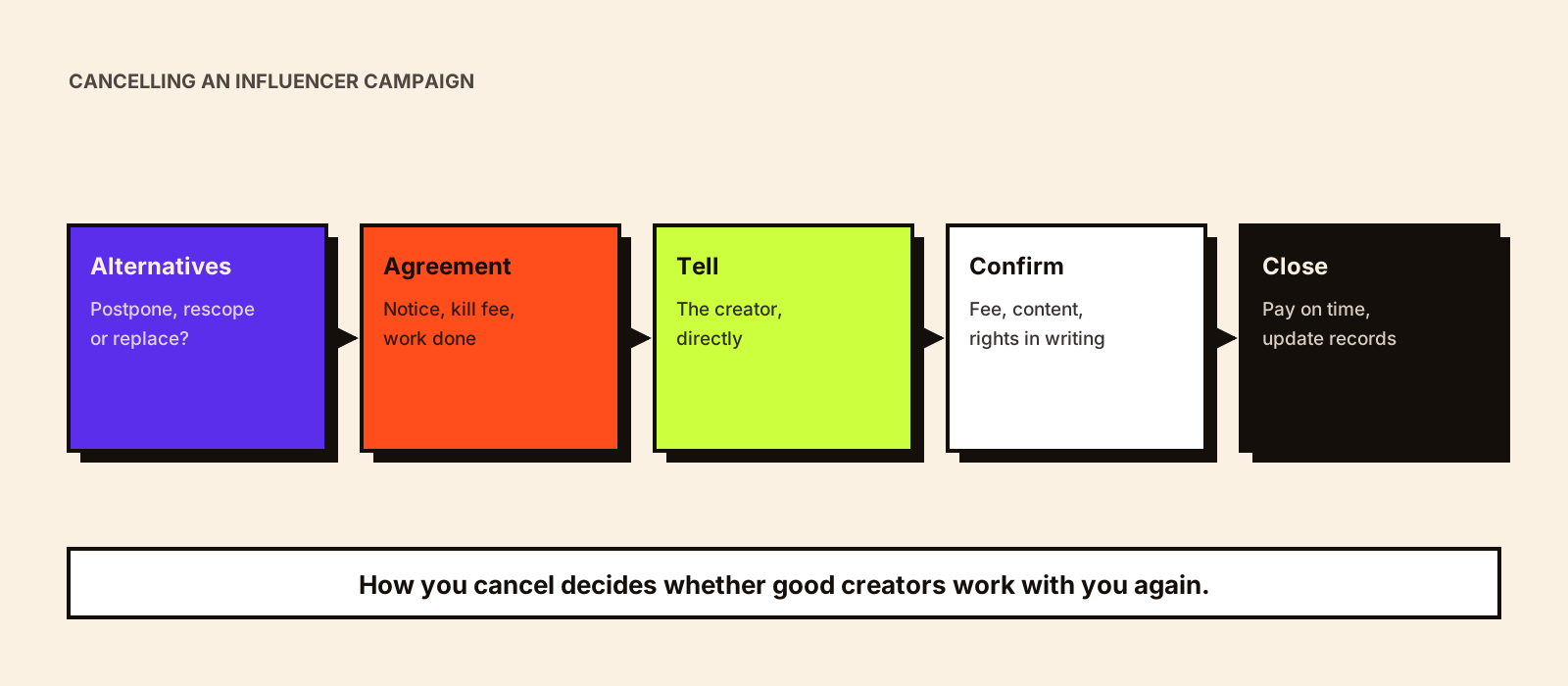
Campaigns get cancelled for ordinary reasons more often than dramatic ones: a launch slips, a budget is cut, a product is recalled, priorities change. Sometimes the reason is the creator: missed deadlines, a serious breach or a reputational problem. Either way, how a brand cancels decides what it pays, what happens to content and rights, and whether good creators want to work with it again.
Quick answer
Before cancelling an influencer campaign, check whether postponing, rescoping or replacing the creator would solve the problem. If cancellation is right, read the agreement for cancellation terms, kill fees and what's owed for work done; get internal sign-off; tell the creator directly and early, with a reason; confirm in writing what happens to the fee, product, unpublished and published content, usage rights and ad permissions; pay what's owed promptly; and close out your records. How much is owed usually depends on the agreement and how far the work has progressed.
Cancel, postpone, rescope or replace?
| Reason | Consider first | Cancel when |
|---|---|---|
| Launch or product delayed | Postponing with new dates | The product won't launch, or dates are unknown for months |
| Budget cut | Rescoping deliverables or creator count | The campaign no longer makes sense at any size |
| Creator late or off-brief | Clear feedback, a revision, a deadline | Repeated misses after fair chances, or the launch date can't move |
| Serious breach (disclosure refused, unapproved claims) | A same-day correction request | The creator won't correct, or it repeats |
| Reputational issue with the creator | Pausing while you assess | The issue is serious and clearly connected to your brand |
| Strategy change | Moving the creator to a different campaign | There's no future fit |
Problems with a creator's work have their own guides: creator non-compliance and influencer campaign escalation. A reputational issue mid-campaign is covered in influencer controversy response.
What changes with the campaign stage
| Stage | What's usually at stake | Questions to settle |
|---|---|---|
| Agreed by message, nothing signed | Little, but the creator may have held dates for you | Tell them quickly; consider goodwill for any blocked dates |
| Agreement signed, no work started | Cancellation terms; any advance paid | Does the agreement set a kill fee or notice period? Is the advance refundable? |
| Product shipped, content in production | Creator time already spent; product | What's owed for work done? Does the creator keep the product? |
| Content delivered, not published | The creator's full work | Is the full fee or a set share due? Who may use the unpublished content? |
| Content published | Fee due; live posts; rights | Does the post stay up? Do usage rights continue or end? |
| Paid usage or ads running | Rights fees; ad permissions | Stop ads, revoke or let permissions lapse, settle any rights fee |
The answers come from your agreement, not from general practice. Kill fees, notice periods and what happens to content are commercial terms that should be in every contract; influencer marketing contracts covers them, and creators' side of the same conversation is in creator cancellation policy.
Before you cancel: a short checklist
- Is cancellation the right fix, or would postponing, rescoping or replacing work?
- What does the agreement say about cancellation, notice, kill fees and work already done?
- What has the creator already delivered, and what has been paid?
- Is any content already live, and are any ads running through the creator's handle?
- What happens to usage rights and platform ad permissions?
- Do you need a replacement creator, and is there time?
- Who internally must approve the cancellation and any payment?
- If the reason involves a breach or reputational issue, is the evidence documented?
Handling it professionally
- Tell the creator directly, by call or a personal message, before they hear it any other way
- Give an honest reason, as far as you can share it
- Separate 'we're cancelling' from 'here's what happens next' so the details are clear
- Confirm in writing: what will be paid and when, what happens to the product, unpublished content, published posts, usage rights and ad permissions
- Pay what's owed on time; late payment after a cancellation does more reputational damage than the cancellation
- If the creator did nothing wrong, say so, and say whether you'd work with them again
Hi [name], I wanted to tell you directly that we're cancelling the [campaign] because [reason]. This isn't about your work, which we valued. As per our agreement, we'll pay [amount] for the work completed by [date]. You can keep the product. Please don't publish the draft content; we won't use it either. We'd like to work with you again when [next opportunity]. I'll confirm all of this by email today.
Content, rights and ad permissions
Cancellation doesn't automatically undo what's already happened. Published posts stay on the creator's account unless the agreement provides for removal or you agree it. Usage rights you've licensed may continue for their term, or end, depending on the agreement; stop using any content you no longer have rights to. Pause or end ads running through the creator's handle and note the date. Record all of it in your rights register. Influencer usage rights explains licence terms.
When the creator cancels
Creators cancel too: illness, family emergencies, a conflicting deal they didn't disclose. Check the agreement for what happens to any advance and product, ask for unpublished drafts if your agreement entitles you to them, and move to a backup creator. Keeping one or two backups on standby for launch campaigns is cheaper than scrambling.
Common mistakes
- Cancelling by silence and letting the creator find out from changed plans
- Refusing payment for completed work because the campaign was cancelled
- Continuing to use content after the rights or the partnership end
- Leaving partnership ads running after cancelling
- No written confirmation of what was agreed on cancellation
- Cancellation terms missing from the original agreement
Conclusion
Cancelling well is mostly about doing the obvious things in order: check the alternatives, read the agreement, tell the creator directly, confirm everything in writing and pay on time. Brands that do this keep good creators willing to work with them next time. This guide is general information; for significant amounts or disputed breaches, take legal advice.