Influencer Marketing for Education Institutes: How Colleges Can Work With Creators
How colleges and universities work with creators for admissions: student and alumni creators, campus ambassador programs, education and career creators, the admissions calendar, parent audiences, accurate claims about rankings, accreditation and placements, location targeting and enquiry-to-enrolment measurement.
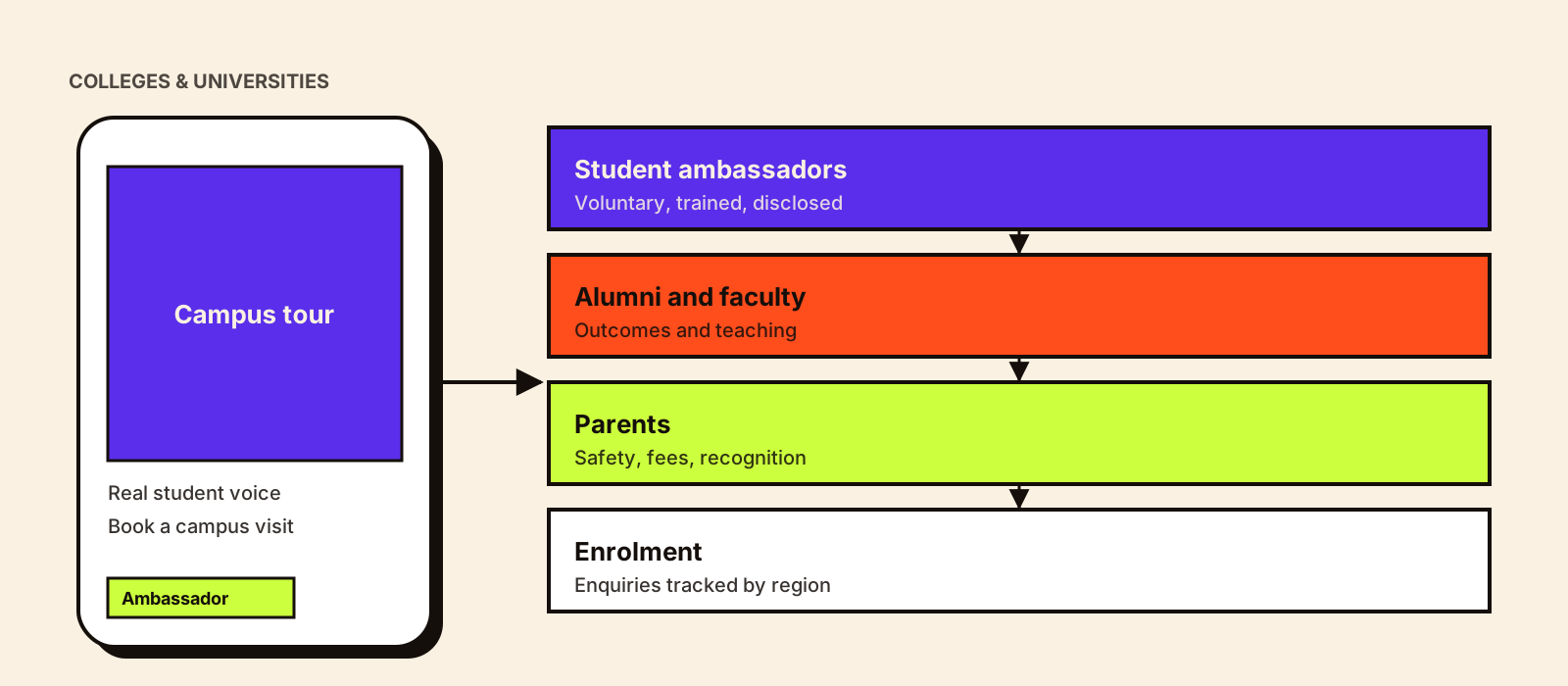
A prospective student choosing a college watches campus tours on YouTube, reads what current students say on Instagram and Reddit, and asks seniors from their town. Their parents want different answers: safety, fees, placements, reputation. Colleges that work with creators well give both audiences honest, specific answers from people who actually know the campus.
This guide covers colleges and universities. EdTech platforms and coaching institutes, which have their own advertising rules, are covered in influencer marketing for education and EdTech brands.
Quick answer
Colleges run creator campaigns with four groups: current students (campus life, honest day-in-the-life content), alumni (careers and outcomes), education and career creators (course and college comparisons), and local creators in the regions they recruit from. Plan around the admissions calendar, speak separately to students and parents, keep every claim about rankings, accreditation, fees and placements accurate and verifiable, give content one next step (enquiry, campus visit, application), and measure enquiries, applications and enrolments by creator and region.
Creator groups
| Group | Content | Why it works |
|---|---|---|
| Current students | Campus tours, hostel life, clubs, a week in the course | Peers trust peers |
| Alumni | Career paths, what the course prepared them for | Outcome credibility |
| Faculty | Sample lectures, research, what they teach | Academic credibility |
| Education and career creators | Course guides, college comparisons, admission process | Reach among students researching options |
| Local creators in feeder regions | "Studying away from home" stories in the regional language | Reaches students and parents where they live |
Campus ambassador programs
- Invite students who already post about campus life; make participation voluntary.
- Train them on what they can share (and what's private), disclosure and handling questions honestly.
- Compensate fairly and transparently; disclosure applies to students paid or rewarded to post.
- Give them a route to answer applicants' questions (live sessions, Q&As) with staff support.
- Rotate ambassadors each year as students graduate.
Ambassador program structure is covered in how to build a brand ambassador program, and employee-style voluntary programs in employee influencer marketing.
The admissions calendar
| Period | Student mindset | Creator content |
|---|---|---|
| Before board and entrance exams | Shortlisting options | Course explainers, campus life, what it's really like |
| Results season | Deciding | Comparisons, Q&As, alumni outcomes |
| Counselling and application windows | Applying | Admission process walkthroughs, deadlines, campus visit invitations |
| Before joining | Preparing, anxious | Hostel tours, what to pack, first-week stories |
Students and parents need different content
| Student asks | Parent asks |
|---|---|
| What's campus life like? | Is it safe? Where will they stay? |
| What will I actually learn? | What does it cost, including living expenses? |
| Will I fit in? | What are the real placement outcomes? |
| What do seniors say? | Is the college recognized and accredited? |
Reach parents with alumni parents, regional family creators and clear, factual content on fees, safety and recognition, often in their language.
Accurate claims
- Rankings, accreditations and approvals mentioned in creator content must be current and verifiable, with the year and source.
- Placement figures must be accurate and clearly defined (which batch, which programs, median vs highest), and never framed as guaranteed.
- Fees should be complete, including hostel and other charges, or clearly marked as tuition only.
- Student testimonials need consent and must reflect genuine experience.
- Paid or rewarded student posts must be disclosed under ASCI's guidelines.
This is general guidance; institutions should follow their regulators' advertising requirements and review claims with their legal team.
Location targeting and measurement
Recruitment is geographic: most colleges draw students from particular states and cities. Use regional creators in those feeder markets, track enquiries by city with creator-specific links, and follow them through to applications and enrolments. Lead flow and follow-up are covered in influencer marketing for lead generation, and regional planning in how to run a pan-India influencer marketing campaign.
| Metric | What it shows |
|---|---|
| Enquiries by creator and region | Reach into the right applicant pool |
| Campus visits and virtual tour attendance | Serious interest |
| Applications | Conversion from interest |
| Enrolments | The real outcome, over the admissions cycle |
| Questions in comments and DMs | What applicants and parents worry about |
Common mistakes
- Glossy campus films instead of honest student voices.
- Speaking only to students when parents decide or pay.
- Unverifiable ranking or placement claims.
- Undisclosed paid student ambassador posts.
- Campaigns that start after application windows open.
Conclusion
College creator campaigns work when real students, alumni and faculty speak honestly, content follows the admissions calendar, parents get their own answers, claims are accurate and verifiable, and enquiries are tracked by region through to enrolment.