How Do You Manage Influencer Campaigns Across Multiple Platforms?
How to run one influencer campaign across Instagram, YouTube, TikTok, Snapchat and LinkedIn: give each platform a job, plan platform-native deliverables, use each platform's disclosure tool, track and report consistently, and handle market differences.
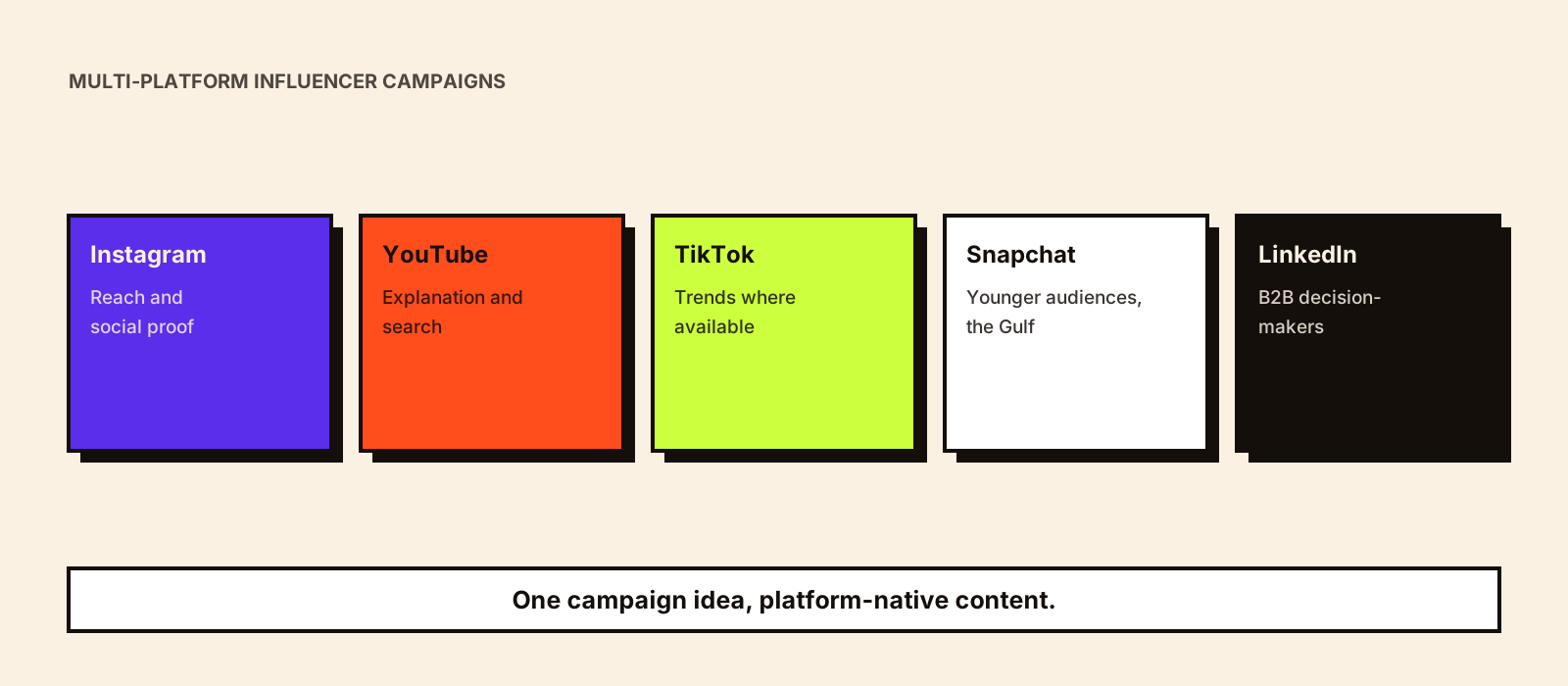
Running a campaign on two or three platforms is rarely twice the work of one; it's often more, because deliverables, disclosure tools, ad options, metrics and audiences all differ. Brands that handle it well don't post the same video everywhere. They decide what each platform is for, brief creators for that platform, and report everything in one comparable format.
Quick answer
To manage an influencer campaign across multiple platforms, give each platform a specific job (reach, explanation, search, community or B2B credibility), keep one campaign idea but brief platform-native executions, specify every deliverable per platform in the contract, use each platform's own branded-content disclosure tool, plan creator ads separately for each platform, tag links by platform and creator, and normalise reporting because platforms define views and reach differently. Add platforms only when each has a clear role and budget; one platform done well usually beats three done thinly.
Give each platform a job
| Platform | Typical job in a campaign | Formats | Disclosure tool | Creator-ad option |
|---|---|---|---|---|
| Reach and social proof; Stories for links and reminders | Reels, Stories, carousels, collab posts | Paid partnership label | Partnership ads | |
| YouTube | Explanation, reviews and search-led discovery that lasts | Long-form integrations, Shorts | 'Includes paid promotion' disclosure | Varies by market and program; check current options |
| TikTok (where available) | Reach and trends in markets where it operates | Short video, LIVE | Content disclosure setting | Spark Ads |
| Snapchat | Reach with younger audiences, strong in parts of the Gulf | Stories, Spotlight | Paid Partnership label | Brand boosting of tagged creator posts |
| B2B credibility and decision-makers | Posts, documents, video | Brand Partnership label | Thought Leader Ads |
Disclosure tools: Instagram's paid partnership label, YouTube's paid promotion disclosure, TikTok's content disclosure setting, Snapchat's Paid Partnership label and LinkedIn's Brand Partnership label (as reported by Social Media Today). Platform tools supplement, but don't replace, a clear label in the content where local rules require one. Creator-ad options include Instagram partnership ads and TikTok Spark Ads.
Which platforms in which markets
- India: Instagram and YouTube carry most creator campaigns, with LinkedIn for B2B. TikTok has been blocked in India since 2020, so don't plan on it there.
- UAE and Saudi Arabia: Instagram, TikTok, YouTube and Snapchat all matter, and Snapchat is especially significant in Saudi Arabia. Creators also need the relevant licence or permit in each market.
- UK, Australia and Singapore: Instagram, TikTok and YouTube are the usual core, with LinkedIn for B2B.
Choosing platforms is covered in top social media platforms for influencer marketing in India and Snapchat influencer marketing in Saudi Arabia.
If you are still deciding which platforms to use, Instagram vs YouTube vs TikTok compares them by objective, budget and market availability.
One idea, platform-native content
Keep the campaign idea, key message and offer the same everywhere; change the execution. A YouTube integration can explain how the product works in two minutes; a Reel needs the hook in the first seconds; a LinkedIn post needs a professional point of view. Cross-posting the same file to every platform usually underperforms, and some platforms reduce the reach of content that looks recycled. Platform limits also change: YouTube, for example, now allows Shorts of up to three minutes. Check current specs when you brief rather than relying on last year's.
Put every platform in the contract
| Term | Specify per platform |
|---|---|
| Deliverable | Format, length, number of posts or frames, links or stickers |
| Dates | Go-live date and local time for each platform; order of posting |
| Minimum live period | How long each post stays up; Stories expire unless saved to highlights |
| Disclosure | The platform tool plus the label in the content |
| Cross-posting | Whether the creator may repost the content to other platforms, and how it's disclosed there |
| Usage rights | Brand reuse and paid ads on which platforms, for how long |
| Ad permissions | Partnership ads, Spark Ads or boosting authorisation, and for how long |
| Insights | Which metrics, as screenshots or exports, by when |
Usage rights by platform are covered in influencer usage rights.
Stagger or launch together?
Launching on all platforms at once maximises a single moment. Sequencing (for example, a YouTube review first, then Reels and Stories that send people to it) lets each platform play its role and lets you learn as you go. Most campaigns benefit from a planned sequence; the influencer campaign calendar covers how to build it.
Tracking and reporting across platforms
- Tag every link with the platform and creator (for example in UTM parameters) so traffic doesn't merge into one 'social' line.
- Give each creator a separate code per platform only if you need that detail; otherwise one code per creator is easier for audiences.
- Collect insights screenshots or exports from creators for each platform, dated, because you can't see their analytics.
- Don't add up views across platforms as if they were the same metric. Platforms count views, reach and impressions differently; report each platform on its own definition, then compare on outcomes you control, such as clicks, sign-ups and orders.
Metric definitions are explained in reach vs impressions vs views in influencer marketing, and why platform and website numbers disagree in influencer reporting discrepancies.
Running it day to day
- One tracker with a row per creator per platform deliverable, not per creator.
- Platform-specific review checks: safe zones for on-screen text, captions, music licensing, link stickers, disclosure tool switched on.
- Someone who knows each platform's ad tools if creator ads are part of the plan.
- Comment monitoring on every platform the content appears on, including replies and duets where they exist.
Managing many creators at once is covered in influencer campaign coordination, and per-format quality checks in influencer content quality check.
Common mistakes
- Adding platforms because they exist, not because they have a job.
- One video posted everywhere unchanged.
- Contracts that say 'one post' without naming platforms, formats and dates.
- Ad permissions not agreed, so the best content can't be boosted.
- Views from different platforms added together in one headline number.
- Planning TikTok for an India campaign.
Conclusion
Multi-platform campaigns work when each platform has a job, creators make content native to it, contracts spell out every deliverable and permission per platform, disclosure uses each platform's tool plus a clear label, and reporting respects each platform's definitions. Start with the platforms your customers actually use, and add more only when each has a role and budget.