Influencer Campaign Quality Control: How Brands Can Check Creator Deliverables
A two-stage quality-control system for creator content: a pre-approval quality checklist (brief, claims, product, disclosure, brand safety, technical quality) and a go-live deliverables checklist (links, tags, timing, labels), plus who checks what.
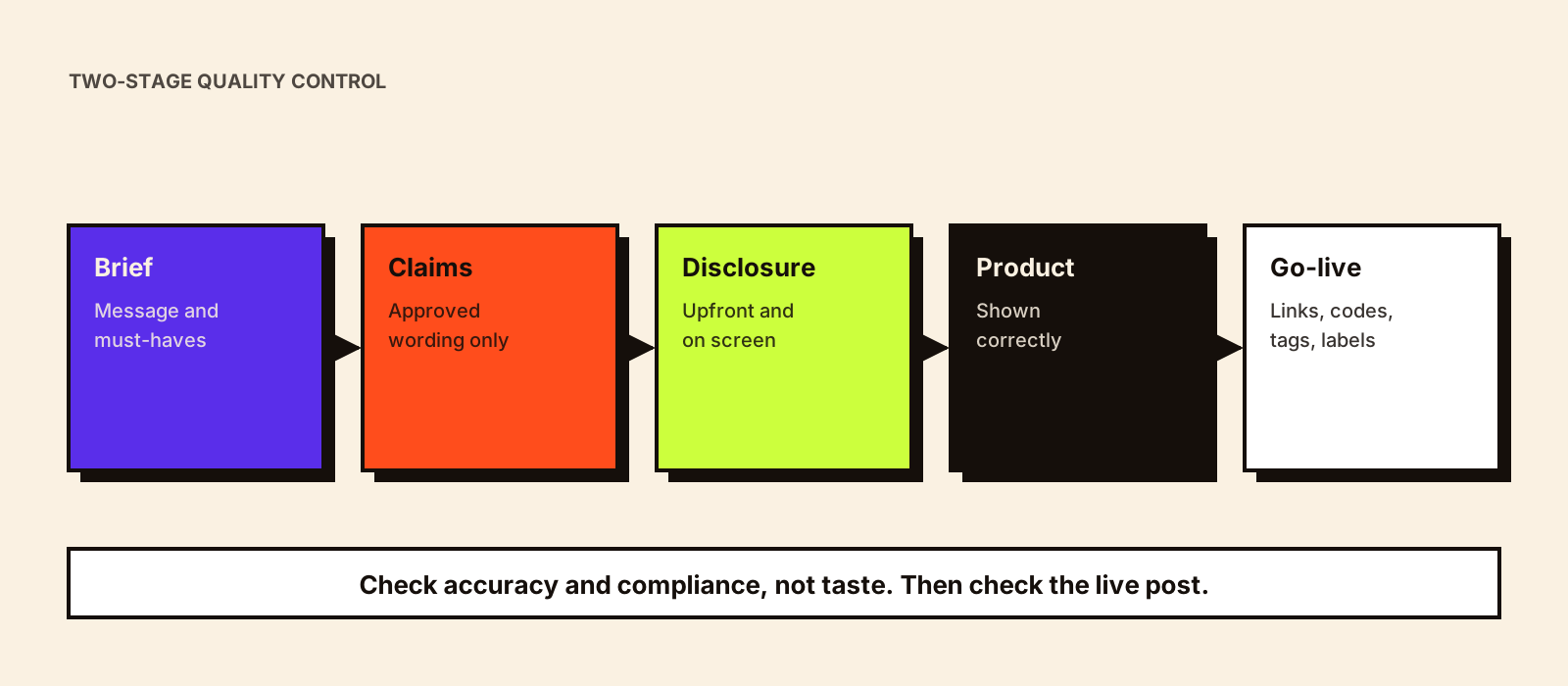
Quality control in creator campaigns isn't about making content look like a TV ad. It's about catching the things that cause real problems: an unapproved health claim, a missing disclosure, a wrong discount code, a product shown upside down, a link to an out-of-stock page. Those mistakes are easy to miss when reviewers focus on creative taste, and expensive once content is live.
Quick answer
Influencer quality control works best in two stages. Before approval, check the draft against the brief, approved claims, product accuracy, disclosure, brand safety and basic technical quality. After the creator posts, check the live content against the approved version: disclosure label and placement, caption, links, codes, tags, partnership label, timing and any deliverables such as Stories. Use the same checklist for every creator, record the result and fix issues quickly and respectfully.
Two stages of quality control
| Stage | When | Focus | Owner |
|---|---|---|---|
| Pre-approval check | On each draft | Content: brief, claims, product, disclosure, safety, technical basics | Reviewer |
| Go-live check | Within a day of posting | Delivery: live post matches approval; links, codes, tags, labels, timing | Campaign manager |
Keep creative judgement out of quality control. Style, tone and editing are the creator's craft; QC is about accuracy, compliance and delivery. Influencer content approval covers where these checks sit in the workflow.
Pre-approval content quality checklist
BRIEF
□ Key message comes through clearly
□ Mandatory points covered
□ Nothing from the 'avoid' list
□ CTA present and correct

CLAIMS
□ Only approved claims; exact wording where required
□ No exaggerated results, guarantees or comparisons not cleared
□ Before/after or results content represented honestly

PRODUCT
□ Correct product, variant, shade or size
□ Shown and used correctly and safely
□ Label or branding visible where needed
□ Price or offer stated correctly (if mentioned)

DISCLOSURE
□ Disclosure in the content where required and planned in the caption
□ Platform paid-partnership label will be applied

BRAND SAFETY
□ Nothing in frame, audio or caption that creates risk
□ No unlicensed music for branded use (where relevant)

TECHNICAL
□ Correct format, aspect ratio and length
□ Audio clear; subtitles accurate if used
□ Readable on-screen text
Go-live deliverables checklist
□ Posted on the agreed platform, format and date/time window
□ Matches the approved version (no unapproved edits)
□ Disclosure label upfront in the caption (within the first lines)
□ Platform paid-partnership label applied
□ Correct link (link sticker, bio link or description) and it works
□ Discount code correct and working
□ Brand handle tagged; hashtags as agreed
□ Stories / extra deliverables posted as agreed
□ Partnership ad permission granted (if agreed)
□ Comments: no immediate issues needing response
□ Screenshot saved with date
Disclosure: what to check
ASCI's influencer guidelines set out specific disclosure expectations: a clear label (such as 'Ad', 'Collaboration' or 'Partnership') placed upfront, within the first two lines of the caption without needing to tap 'more'; a label superimposed on the content where there's no caption, such as Stories; and, for videos, a label shown for a minimum duration depending on the video's length. Check both the caption and the content itself, and check that the platform's paid-partnership tool has been used.
Influencer marketing compliance covers disclosure and claims in more depth. This is general guidance, not legal advice.
Quality checks by format
| Format | Extra checks |
|---|---|
| Instagram Reels | Disclosure on screen and in caption; product visible early; cover image; partnership label |
| Stories | Superimposed disclosure on each frame; link sticker works; frames posted in order |
| YouTube integration | Paid promotion setting enabled; disclosure in video and description; link in description; timestamps if agreed |
| Static or carousel | Disclosure in first lines; product details accurate on all slides |
| UGC for ads (not posted by creator) | Technical specs for ad platforms; rights and usage confirmed |
YouTube's paid promotion setting is how creators declare paid content on the platform.
Quality control at scale
- Use the same checklist for every creator, built into the tracker as columns.
- Have a second person spot-check a sample of approvals in large campaigns.
- Run go-live checks on a schedule (for example, every morning during the live window).
- Log issues by type; recurring issues point to brief or process problems.
- For regional-language content, use a reviewer who understands the language for claims and disclosure.
When something fails the check
Before approval, send specific, consolidated feedback. After posting, contact the creator quickly and politely with the exact fix needed, such as adding the disclosure label or correcting a code. Most issues are honest mistakes and are fixed within hours. Persistent or serious problems are covered in creator non-compliance.
Hypothetical example
Hypothetical: during a 20-creator festive campaign, morning go-live checks find three posts with disclosure only in the hashtags at the end of the caption, and one Story with an expired discount code. The campaign manager messages each creator within the hour with exact fixes; all four are corrected the same day. The issues are added to the brief template for the next campaign: disclosure placement guidance with an example, and codes confirmed in writing two days before go-live.
Common mistakes
- Quality control focused on creative taste instead of accuracy and compliance.
- No go-live check, so mistakes surface only when customers complain.
- Disclosure checked in the caption but not in the video or Story.
- Codes and links tested only after posting.
- Issues fixed but never fed back into the brief.
Conclusion
Quality control protects campaigns from preventable mistakes. Check drafts against the brief, claims, product, disclosure, safety and technical basics before approval; check live posts against the approved version, disclosure rules, links, codes and tags after posting. Keep checklists consistent, fix issues fast and feed patterns back into the brief.