Influencer Marketing for Personal Care Brands: How to Build Creator Campaigns
How personal care brands (hair care, oral care, hygiene, deodorants, men's grooming, menstrual and intimate care) work with creators: everyday-use content, creator types, handling sensitive categories respectfully, claims and regulation, regional reach, sampling and repeat purchase measurement.
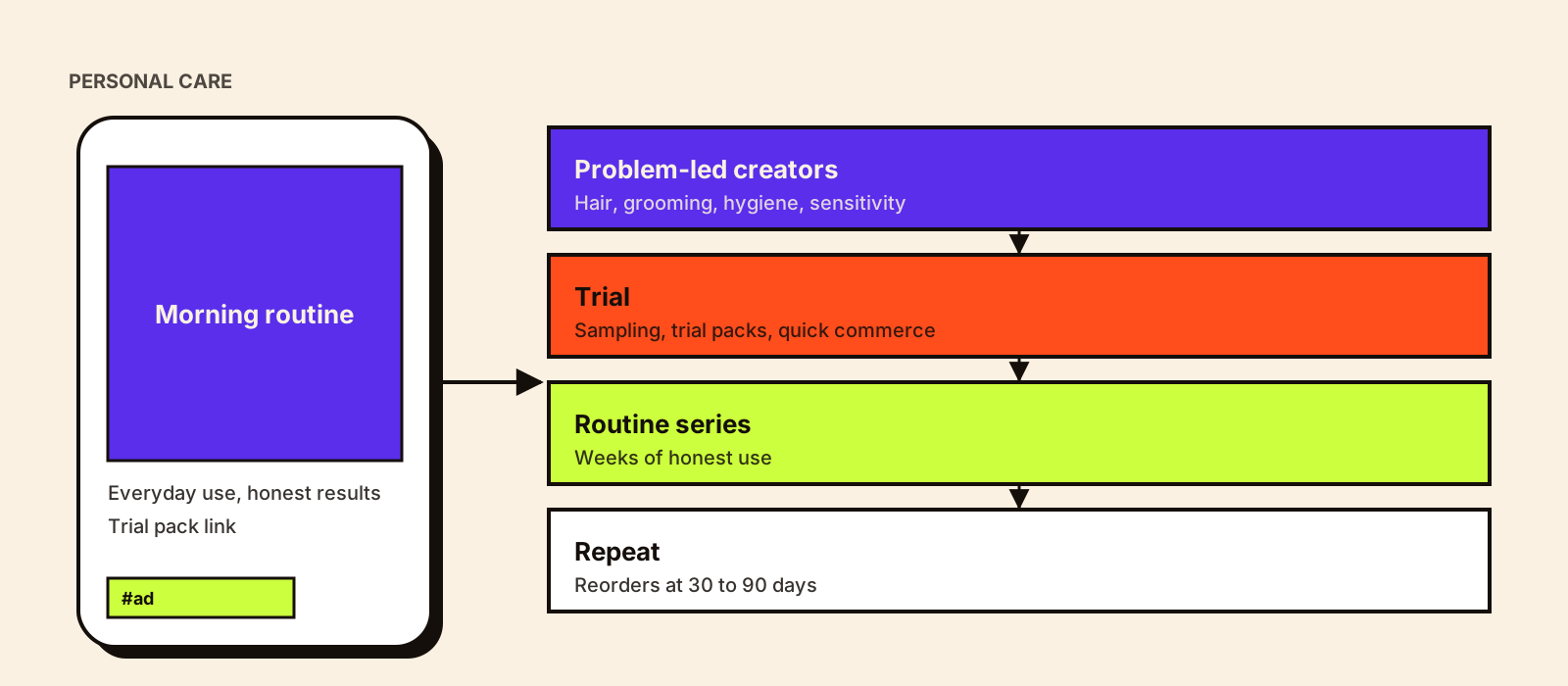
Personal care sits between beauty and FMCG. The products are used every day, bought repeatedly and often chosen out of habit, which means the creator's job is usually to earn a trial and then stay in the routine. Some categories, such as menstrual and intimate care, also need a respect for privacy and stigma that most consumer campaigns never think about.
Makeup and skincare are covered in the beauty and skincare guide; this guide is about everyday personal care.
Quick answer
Personal care influencer marketing works best through routine-based content from creators whose audiences share the problem the product solves: hair fall, dandruff, body odour, sensitivity, shaving irritation, period comfort. Combine a trial driver (sampling, codes, quick-commerce availability) with repeat exposure, use creators across regions and price points, handle sensitive categories with qualified voices and respectful framing, keep every efficacy claim substantiated, and measure trial and repeat purchase rather than reach alone.
Categories behave differently
| Category | Buying behavior | Creator content that fits |
|---|---|---|
| Hair care | Problem-led (hair fall, frizz, dandruff); climate and water matter | Routine demos over weeks, honest progress, regional hair types |
| Oral care | Habitual, low involvement | Family routines, dentist-qualified education, humor |
| Deodorants and body care | Impulse and habit; strong brand switching | Real-life situations, commutes, sports, heat |
| Men's grooming | Growing; many first-time buyers | Tutorials, grooming basics, barber and fitness creators |
| Menstrual and intimate care | Private, trust-led, often stigmatized | Educational, respectful, with qualified experts; comfort and dignity |
| Baby and family hygiene | Safety-led, parent decision | Parent creators, careful claims; see parenting guide |
Baby and family hygiene products follow the stricter trust and safety practices in influencer marketing for parenting and baby brands.
Creator types
- Everyday lifestyle and family creators showing real routines.
- Problem-specific creators (hair care, sensitive skin, grooming) with engaged niche audiences.
- Qualified experts (dermatologists, dentists, gynaecologists) for education; ASCI expects health advice to come from qualified people who state their credentials.
- Regional-language creators for mass-market reach beyond metros.
- Men's lifestyle, fitness and barber creators for grooming.
- UGC creators for ad variants at scale.
Sensitive categories, handled well
- Use creators who already talk about the topic openly and respectfully, rather than asking a new creator to start.
- Lead with education and comfort; avoid shame-based messaging.
- Brief on language: avoid euphemisms that reinforce stigma, and avoid graphic content that platforms may restrict.
- Moderate comments actively on sensitive posts and have a plan for harassment of creators.
- Check platform policies for the category before planning paid amplification.
Claims and regulation
Personal care claims ("reduces hair fall", "24-hour protection", "dermatologically tested") must be ones your brand can substantiate, and creators shouldn't add their own medical-sounding claims. Products regulated as cosmetics or drugs have their own rules on what can be claimed, so have your regulatory team approve a claims list for the brief. Disclosure applies to every paid or gifted post. Health advice from creators should come from qualified people, as covered in expert creator marketing.
Trial, then routine
| Stage | Creator role | Mechanism |
|---|---|---|
| Awareness | Relatable problem stories | Broad creator mix, regional languages |
| Trial | Demo and first impressions | Sampling, trial packs, quick-commerce links, codes |
| Routine | Weeks-long use and honest progress | Series content from the same creators |
| Repeat | Reminders and new variants | Always-on creator program, subscriptions |
Sampling at scale is covered in the influencer product seeding program guide, and ongoing creator programs in always-on influencer marketing.
Measurement
- Trial: coded orders, sample requests, quick-commerce sales in campaign cities.
- Repeat: reorder rate among creator-acquired customers after 30 to 90 days.
- Content: saves and questions (strong signals for problem-led categories).
- Regional lift: sales in markets covered by regional creators vs similar markets without.
- Sentiment: especially for sensitive categories, whether comments are supportive or hostile.
Common mistakes
- Treating personal care like makeup, with glamour content for a habit product.
- One-post campaigns for products that need weeks of use to show results.
- Metro-only creators for mass-market products.
- Creators improvising medical claims.
- Launching sensitive-category content without a moderation plan.
Conclusion
Personal care creator campaigns win by fitting into routines: relatable problems, honest demonstrations over time, a clear trial path, and repeat exposure from creators people trust. Treat sensitive categories with care, keep claims substantiated, reach beyond metros, and measure trial and repeat purchase.