Influencer Response Rate: How Brands Can Get More Creators to Reply
Why creators don't reply to brand outreach and the factors brands can control: fit, relevance, credibility, offer clarity, channel, subject line, timing and follow-up, with a diagnostic table for low reply rates.
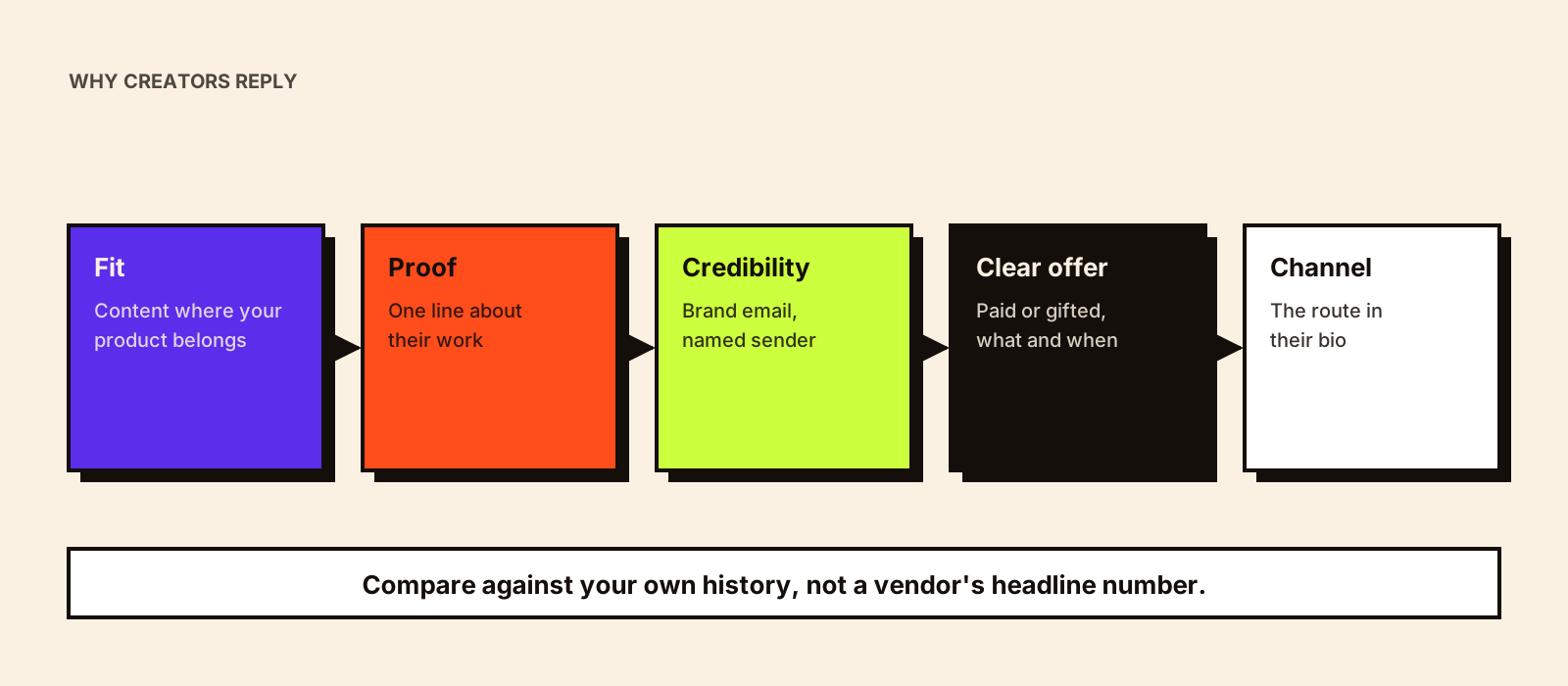
When outreach gets few replies, brands often blame creators for being busy or unprofessional. Look at it from the creator's side instead. A popular creator may receive many brand messages a week. Some are scams, many are vague, plenty ask for free work, and few say clearly what's on offer. Ignoring messages that need several rounds of questions to decode is a reasonable response to that inbox.
Quick answer
Creators reply more when the brand is clearly relevant to their content and audience, the message proves someone looked at their work, the sender is credibly a real brand, the offer is clear (paid or gifted, what's asked, when), the message arrives through the channel they actually use, and follow-up is brief and respectful. There's no universal 'good' response rate to aim for; compare against your own previous outreach and improve the factors below one at a time.
Why creators don't reply
| Reason | What the creator sees | What the brand can change |
|---|---|---|
| Poor fit | A product that has nothing to do with their content | Better shortlisting; skip creators who don't fit |
| No sign of research | A message that could have gone to anyone | One specific line about their work |
| Unclear offer | 'Let's collaborate!' with no details | Say paid/gifted, deliverable, timeline |
| Low credibility | Free email address, no website, unusual requests | Brand-domain email, named sender, official links |
| Wrong channel | Email to an inbox they don't check, or DM when they use a manager | Use the contact route in their bio |
| Bad timing | A busy season, or a deadline in three days | Approach weeks ahead; avoid peak festival periods |
| Unattractive terms | Free work, unclear rights, payment 'after results' | Fair offer; clear terms |
| Message lost | Buried in a full inbox | One or two short follow-ups |
The factors you control
Fit and relevance
The single biggest lever is contacting the right creators in the first place. A creator who regularly makes content where your product belongs will read your message differently from one who has never covered your category. Better shortlisting usually raises replies more than better wording.
Evidence of research
One accurate sentence about a specific post shows the message isn't spam. Personalized influencer outreach explains how to do this for many creators without writing everything from scratch.
Credibility
- Send from a brand-domain email with a real person's name and role.
- Link to your website and official social account.
- Mention any relevant context: where you sell, recent launches, creators you've worked with (only if true and shareable).
- Avoid requests that look like scams: upfront fees, asking for login details, pushing to move to WhatsApp immediately.
Creators are warned about fake brand collaborations for good reason; creator scams and fake brand collaborations describes what they look out for.
Offer clarity
State in the first message whether the work is paid, gifted or commission-based, what you're asking for and when. If you have a budget range and are comfortable sharing it, doing so saves both sides time. A creator who knows what's on offer can reply quickly, even if the answer is no.
Subject line
Make it specific and honest: '[Brand] x [Creator]: paid Reel for our October launch' tells the creator what the email is before they open it. Clickbait or vague subjects ('Exciting opportunity!!') look like spam.
Channel and timing
Use the contact route the creator lists. Approach several weeks before your go-live date, not days. Expect slower replies around major festivals and wedding season, when many creators are fully booked.
Follow-up
Many replies come after a follow-up, simply because the first message was missed. One or two short, polite follow-ups, each adding something new, are reasonable. Influencer follow-up covers timing and wording.
Measuring your response rate properly
| Measure | Why |
|---|---|
| Reply rate by segment (language, tier, offer type) | Shows where messaging works and where it doesn't |
| Positive reply rate | A fast 'no' is better than silence, but you need yeses |
| Reply rate by channel | Shows which routes reach creators |
| Replies after first message vs after follow-up | Shows whether follow-ups are worth it |
| Time to reply | Helps plan lead times |
We deliberately don't quote an industry-average response rate. Published figures vary widely, often come from tool vendors with unclear methods, and depend on brand recognition, offer and creator tier. Your own trend over time is a better measure.
Diagnose a low reply rate
| Pattern | Likely cause | Try |
|---|---|---|
| Low replies everywhere | Offer, credibility or fit | Clarify the offer; check sender identity; tighten shortlist |
| Low replies from larger creators only | Not reaching managers; offer below expectations | Contact managers; review budget |
| Low replies in one language segment | Template not working in that language | Native-language rewrite |
| Replies mostly negative on gifted offers | Creators want paid work | Paid or affiliate offer, or smaller creators |
| Replies only after follow-up | First message missed or unclear | Better subject line; shorter first message |
Hypothetical example: diagnosing a slow campaign
Hypothetical: a fintech app contacts 80 personal-finance creators by email and gets a handful of replies. A review finds the emails came from a generic 'marketing@' address, didn't say whether the work was paid, and went to the personal email of creators whose bios listed managers. The brand rewrites the message from a named lead, states 'paid collaboration' in the subject line, routes managed creators through their managers and adds a line about each creator's recent explainer. The second round gets more and faster replies, and more of them include rates. None of the changes involved more volume.
Credibility signals creators look for
| Signal | Why it matters |
|---|---|
| Brand-domain email and a named sender | Distinguishes you from scams and mass senders |
| Links to website and official account | Lets creators check you in seconds |
| Clear, realistic offer | Scams often promise too much or ask for money |
| No requests for passwords, fees or personal documents upfront | These are common scam patterns |
| Consistent details across channels | Mismatched names or handles raise doubts |
Regional and smaller creators
- A message in the creator's language often gets a warmer reply than a polished English email.
- Smaller creators may check DMs far more than email.
- They may be unsure about terms; inviting questions helps them reply.
- Being clear that it's paid (if it is) matters even more; many receive frequent unpaid requests.
Micro influencers in India covers working with smaller creators more broadly.
Common mistakes
- Sending more messages instead of better-targeted ones.
- Hiding whether the work is paid.
- Messaging from personal or free email accounts.
- Following up too often or on several channels at once.
- Comparing your rate with a vendor's headline statistic.
Conclusion
Response rates improve when outreach respects creators' time: right creators, specific messages, a credible sender, a clear offer, the right channel and patient follow-up. Track replies by segment, fix one factor at a time and compare against your own history. Once creators do reply, how to negotiate with influencers covers what comes next.