UGC Marketing for Beauty and Skincare Brands: Formats, Briefs and Testing
How beauty and skincare brands use UGC: the formats that work (routines, texture, swatches, wear tests, honest before-and-afters), briefing for claims and shade range, filters and results rules, testing by skin concern and tone, and market notes.
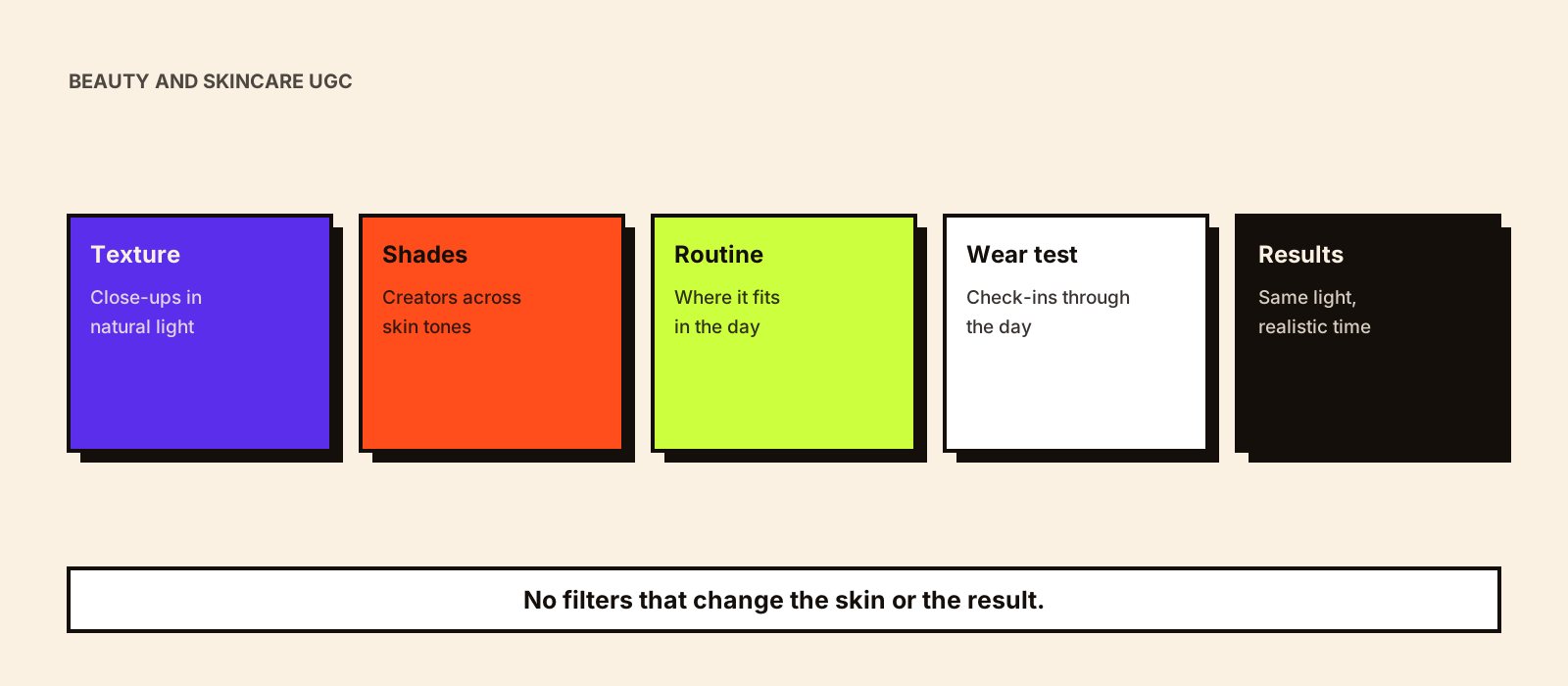
Beauty and skincare are where UGC works hardest and where it can go wrong fastest. Buyers want to see texture, shade and real skin, which creator video shows better than any studio shot. They also see through filters and miracle claims immediately, and regulators treat exaggerated results as misleading. The brands that do well show real use, honestly, across the range of people who buy.
Quick answer
For beauty and skincare UGC, focus on formats that show what a product page can't: texture and application, swatches and shade matches across skin tones, routines, wear tests over a day, and honest results over a realistic time. Brief creators with approved claims and things they mustn't say (especially anything that sounds medical), ask for no filters or effects that change how the product looks, give them enough time with skincare before filming, cast creators across the skin types, tones and concerns you serve, and test by concern and audience rather than only by hook.
Formats that work
| Format | What it answers | Notes |
|---|---|---|
| Texture and application | How does it feel and spread? | Close-up, natural light, no smoothing effects |
| Swatches and shade match | Will it suit my skin tone? | Show several tones, or creators matched to each shade group |
| Routine or get-ready-with-me | Where does it fit in my day? | Shows layering with other products |
| Wear test | Does it last, crease, transfer or oxidise? | Time-stamped check-ins through the day |
| Before and after | What result can I expect? | Same light and angle, unfiltered, realistic timeframe, typical result |
| Ingredient explainer | What's in it and why? | Approved wording only; technical advice needs qualified creators |
| Honest first impression | Is it worth trying? | Allow a genuine caveat; it builds trust |
| Fragrance and sensory | Scent, feel, finish | Specific words beat 'amazing' |
Brief for claims, not just creativity
- Give an approved-claims list with exact wording, including what the product does and how long results take.
- List what creators must not say: anything that implies treating a medical condition, permanent results, or 'works for everyone'.
- Cosmetic and medical claims are regulated differently in most markets; therapeutic claims (treating acne, eczema or pigmentation disorders, for example) can bring a product under medicines or therapeutic-goods rules, so check with your regulatory adviser before briefing them.
- In India, creators giving technical health or skin advice, rather than personal experience, should hold and disclose relevant qualifications under ASCI's influencer guidelines.
- Ask creators to mention patch testing or skin suitability where relevant, in their own words.
No filters that change the result
Filters, smoothing and colour effects that alter skin, shade or finish make beauty content misleading. In the UK, the ASA ruled in 2021 that influencer ads using filters which exaggerated a cosmetic product's effect were misleading, and advised brands and influencers to avoid filters directly relevant to the product being advertised. Put 'no filters or effects on skin or product' in the brief and check drafts for it.
Cast for the range you sell
If you sell twenty shades, UGC with three similar skin tones tells most buyers nothing. Cast creators across skin tones, types (oily, dry, sensitive), concerns, ages and genders that match your customers, and in each market, creators whose skin and climate match the audience. Humidity, sun and water hardness change how products perform and what buyers worry about.
Timing for skincare
Makeup can be filmed on first use; skincare usually can't. Ship skincare early enough for creators to use it for the period your claims refer to, and ask for check-ins along the way rather than a single 'after'. A hypothetical schedule: first impression on day one, texture and routine in week one, and a results video only after the timeframe your evidence supports.
Testing beauty UGC
- Test angles by concern (dryness, oil control, dark circles) as well as by hook.
- Match creator to audience: show oily-skin creators to oily-skin audiences where targeting allows.
- Compare texture-led openings with result-led openings.
- Use shade-specific content on shade-specific product pages.
- Watch comments for questions about suitability, shade and irritation; they're your next briefs.
Hook writing and test design are covered in UGC ad hooks and UGC for paid social testing.
Market notes
Each market has its own beauty rules and audience context: product registration, permitted claims, sunscreen and therapeutic product rules, and cultural expectations. See influencer marketing for beauty brands in India, the UAE and Saudi Arabia, the Australian beauty and skincare guide, and briefing skincare demonstrations in the GCC.
Common mistakes
- Filters or beauty modes left on during filming.
- Skincare results filmed after a few days of use.
- A narrow range of skin tones for a wide shade range.
- Medical-sounding claims in a creator's own words that nobody checked.
- Before-and-afters with different lighting or angles.
Conclusion
Beauty and skincare UGC earns trust by showing real texture, real shades and realistic results on a range of real people. Brief for approved claims, ban filters that change the result, give skincare time, cast for the range you sell and test by concern as well as by hook.