Influencer Collaboration Proposal: What Brands Should Send to Creators
What a brand's collaboration proposal to a creator should contain, how it differs from a first message and a brief, a proposal template, what makes the offer persuasive to creators, and examples for paid, gifted and ambassador offers.
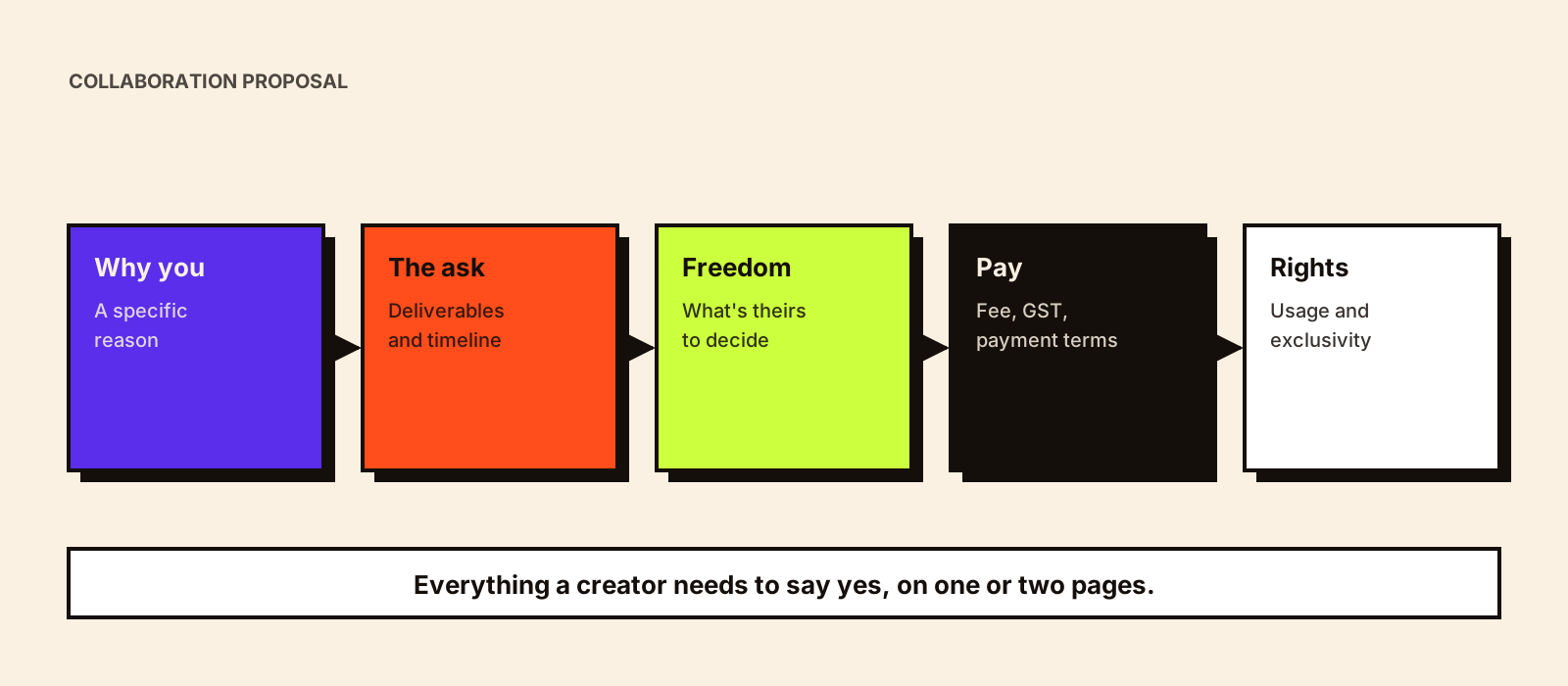
A first outreach message asks whether a creator is interested. A proposal answers everything they'll want to know before saying yes: what you're asking, why them, when, for how much and with what rights. Many brands skip straight from a vague first message to a contract, which is why so many collaborations start with misunderstandings about deliverables or usage.
Quick answer
An influencer collaboration proposal should include a short brand introduction, the campaign objective, why you chose this creator, the deliverables (format, platform, number), the timeline, compensation (fee, product, commission and payment terms), usage rights and any exclusivity, the creative freedom they'll have, and a clear next step. Keep it to one or two pages, send it after the creator shows interest, and treat it as an offer to discuss rather than a final contract.
Outreach message vs proposal vs brief vs contract
| Document | When | Purpose | Length |
|---|---|---|---|
| Outreach message | First contact | Spark interest; check availability | A few lines |
| Proposal | After interest | Set out the offer so the creator can decide | 1–2 pages |
| Contract | After terms agreed | Make the terms binding | As needed |
| Brief | After contract | Guide the content | 1–2 pages |
Influencer outreach email covers the first message; influencer marketing contract and influencer campaign brief cover the later documents.
What the proposal should contain
1. ABOUT US (2–3 lines): who we are, what we sell, where, and a link
2. THE CAMPAIGN: objective and idea in one paragraph (e.g. 'introduce our millet snacks to working parents in Pune ahead of school reopening')
3. WHY YOU: one or two specific reasons (your audience, a post, your style)
4. WHAT WE'RE ASKING: deliverables, platform, format, number, key messages (few), anything we'd like to avoid
5. CREATIVE FREEDOM: what's yours to decide (concept, script, tone) and what's fixed (claims, disclosure)
6. TIMELINE: product delivery, draft date, feedback window, go-live window
7. COMPENSATION: fee (₹, + GST), product, any commission or bonus, payment terms and timing
8. USAGE AND EXCLUSIVITY: organic only or paid usage (platforms, duration); any category exclusivity and its length
9. DISCLOSURE: we'll ask for a clear paid-partnership label
10. NEXT STEP: 'Reply with questions or a time to talk; if this works, we'll send the agreement by [date].'
From a generic offer to a persuasive pitch
A proposal is also a pitch. Creators decide not only on money but on whether the collaboration is good for their audience and their work. Compare:
| Generic offer | Persuasive pitch |
|---|---|
| 'We'd like a Reel about our product.' | 'We'd like a Reel about how you'd actually use this on a weekday morning, in your own style.' |
| 'You're a great fit.' | 'Your audience asks you about quick breakfasts constantly; this answers that question.' |
| 'Fee: negotiable.' | 'Fee: ₹[ ] + GST, paid within 15 days of going live.' |
| 'We may use the content.' | 'Organic only. If we want to run it as an ad, we'll agree a separate usage fee.' |
| 'Let us know.' | 'If this sounds good, reply and we'll send the agreement by Thursday.' |
What creators tend to value: relevance to their audience, creative freedom, fair and clear pay, prompt payment, sensible timelines, clear usage terms and the possibility of a longer relationship. A pitch that addresses these is more persuasive than one that only describes your product.
Variations by offer type
| Offer | Emphasise | Be explicit about |
|---|---|---|
| Paid collaboration | Creative freedom, fee and timeline | Deliverables, usage, payment terms |
| Gifted product | Why you think they'd genuinely like it | No obligation to post; disclosure if they do |
| Affiliate | Commission and how it's tracked | Cookie window or code terms; payout schedule |
| Ambassador | Long-term relationship, consistency, input into the brand | Duration, monthly expectations, exit terms |
| UGC for ads | Production expectations and usage | Ad usage duration and platforms; no posting required on their account |
Gifting, ambassador and affiliate structures are covered in influencer gifting, influencer ambassador programs and instagram gifting vs paid collaboration.
Hypothetical example
ABOUT US: [Brand] makes stainless-steel kitchen storage, sold on our site and on major marketplaces across India.
THE CAMPAIGN: Help families organising small kitchens before Diwali cleaning.
WHY YOU: Your 'small Mumbai kitchen' series is exactly the situation our products are for, and your audience is mostly in Maharashtra.
WHAT WE'RE ASKING: 1 Instagram Reel (45–60s) + 3 Stories with a link. Key point: airtight lids. Please avoid comparisons with named brands.
CREATIVE FREEDOM: Concept, script and editing are yours. We'll check claims and disclosure only.
TIMELINE: Products by 1 Oct; draft by 10 Oct; feedback within 2 days; live 15–18 Oct.
COMPENSATION: ₹[ ] + GST, paid within 15 days of going live. You keep the products.
USAGE: Organic only. Any ad use would be agreed and paid separately.
NEXT STEP: Reply with questions or a time to talk; we'll send the agreement within 2 working days of your yes.
Proposals for regional and smaller creators
- Offer the proposal in the creator's language, or at least a summary.
- Explain terms like 'usage rights' and 'exclusivity' in plain words.
- Keep it shorter: half a page may be enough for a single gifted or paid post.
- Say how and when you'll pay, including GST and TDS, so there are no surprises.
A proposal checklist
□ One-line reason this creator, specific to them
□ Deliverables, platform and format clear
□ What's fixed vs what's their creative choice
□ Dates: product arrival, draft, feedback, go-live
□ Fee, GST, payment timing
□ Usage: organic only, or paid (platforms, duration)
□ Exclusivity: none, or category and duration (and paid)
□ Disclosure expectation
□ Clear next step and response date
What happens after the proposal
Expect questions or a counter. Respond promptly, adjust scope if needed, then confirm everything in a written agreement and send the brief. Negotiate influencer rates and how to negotiate with influencers cover those conversations, and influencer marketing contract covers the agreement.
Common mistakes
- Sending a 15-slide brand deck instead of a two-page proposal.
- Hiding compensation until the end of a long conversation.
- Vague usage language ('we may repurpose content').
- A script disguised as a proposal.
- No clear next step or decision date.
After the creator says yes, influencer onboarding covers the steps between agreement and production.
Conclusion
A good collaboration proposal tells the creator everything they need to decide: who you are, the idea, why them, what you're asking, when, what you'll pay, what rights you need and what's theirs to decide. Make it short, specific and fair. If the creator wants to adjust terms, negotiate influencer rates covers how to do that without damaging the relationship.