Creator Brand Deals: Complete Guide to Getting, Managing and Growing Brand Partnerships
The full lifecycle of a creator brand deal, from the first enquiry to the repeat booking, with what happens at each stage and a guide for every step.
A brand deal is more than a sponsored post. It's a small project with a client, a scope, approvals, a deadline, an invoice and, if it goes well, a next time. Creators who treat it that way tend to get rebooked. This guide walks through the whole lifecycle and links to a deeper guide for each stage.
Quick answer
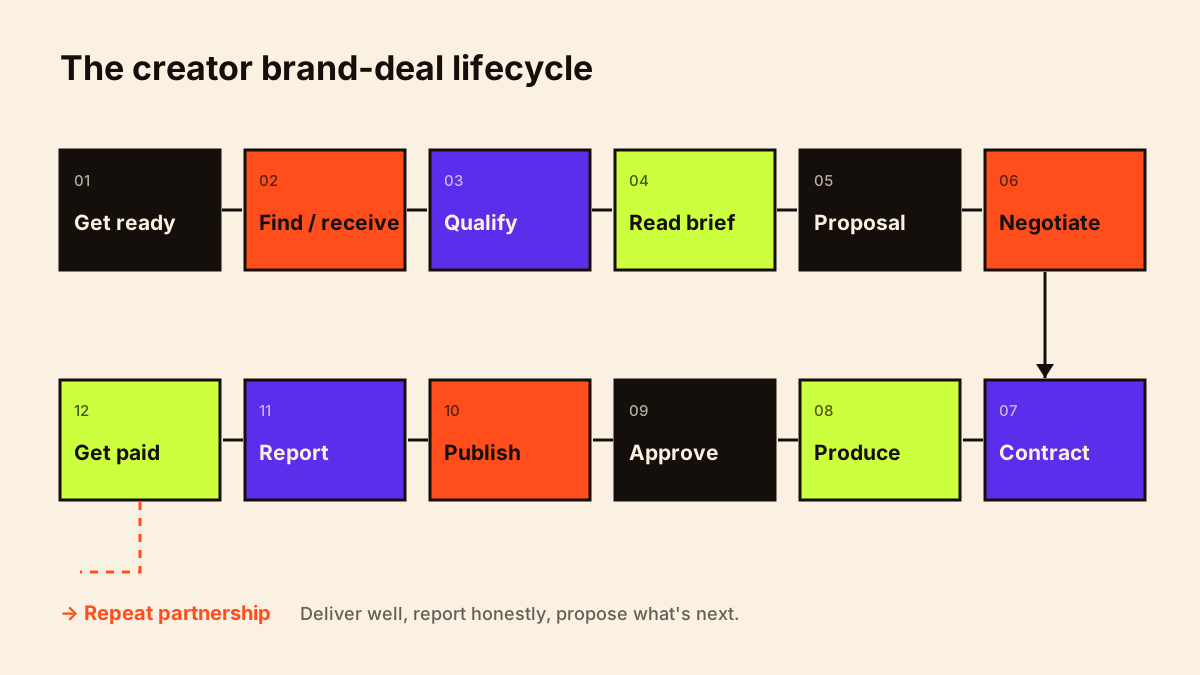
A creator brand deal is a paid or compensated agreement in which a creator produces content or other work for a brand. The lifecycle runs: get brand-ready, attract or pitch for deals, receive and qualify an enquiry, read the brief, send a proposal, agree pricing and terms, sign a contract, produce the content, get approval, publish with disclosure, report results, invoice and get paid, then turn it into a repeat partnership. Each stage has its own risks, and most problems come from skipping one.
Types of brand deals
| Type | What you give | What you get | Watch for |
|---|---|---|---|
| Paid sponsorship | Content on your channels, often with usage rights | Fee (plus product) | Scope creep, usage and exclusivity |
| Product gifting | Optional or light content | Product or service | Paid-level demands for a gift; disclosure still required |
| UGC | Content for the brand's own channels or ads | Fee for production and usage | Usage duration, whitelisting, raw footage |
| Affiliate | Recommendations with links or codes | Commission on sales | Conversion risk sits with you; track results |
| Hybrid | Sponsored content plus affiliate link | Fee plus commission | Clear split between fixed and variable pay |
| Long-term ambassador | Recurring content and appearances | Retainer, often with exclusivity | Exclusivity scope, renewal and exit terms |
| Event or appearance | Attendance, live content, hosting | Fee, travel | Travel costs, timings, content obligations |
Stage 1: Get brand-ready
Before any brand calls, have a clear creator brand, a media kit, a portfolio and a rate card. These make you easy to shortlist. See how to build a creator brand, creator media kit, creator portfolio and influencer rate card.
Stage 2: How creators get deals
- Outbound pitching to brands that fit your audience.
- Inbound enquiries from brands and agencies that find your content.
- Platform marketplaces such as Instagram's creator marketplace and YouTube Creator Partnerships (formerly BrandConnect), where eligible creators can be discovered by brands.
- Agencies and creator networks that match creators to client campaigns.
- Referrals from brands and creators you've worked with.
YouTube Creator Partnerships is available to eligible creators in India who are in the YouTube Partner Program, at least 18, and without active Community Guidelines strikes. It offers a media kit, inquiry management and rate preferences inside YouTube Studio; check YouTube's help page for current requirements. For outbound, see how to pitch brands as a creator and how to find brands to collaborate with.
Stage 3: Handling inbound enquiries
- Verify the sender: official domain, real brand, real person. Fake offers are common. See how to spot fake brand collaboration offers.
- Reply within one or two working days, even if only to say you'll send details.
- Ask for the brief, deliverables, timeline, usage and budget range before quoting.
- Log it in your tracker so nothing slips.
Scam patterns and a verification checklist are in how to spot fake brand collaboration offers.
Stage 4: Read the brief
The brief tells you the objective, audience, key messages, mandatory and prohibited claims, deliverables, deadlines, approvals and disclosure. Missing details become disputes later. Use the creator brand brief guide and its question checklist.
Stage 5: Send a proposal
Respond with your creative idea, the exact deliverables, timeline, fee, usage and what's excluded. See how to create a creator campaign proposal. For proactive pitches to brands without a brief, use a creator pitch deck instead.
Stage 6: Price and negotiate
Price from average views, audience fit, production, and separately priced rights and exclusivity. When budgets are tight, adjust scope rather than just cutting your rate. See how much creators should charge and how to negotiate brand deals as a creator.
Stage 7: Contract and rights
Get deliverables, payment terms, revisions, cancellation, usage, exclusivity and disclosure in writing. The key guides: influencer contract guide for creators, creator payment terms, creator usage rights, creator exclusivity, creator content licensing and creator whitelisting.
Stage 8: Produce the content
- Share a script or outline for approval before shooting anything complex.
- Shoot extra takes and a backup version of key lines.
- Check every product claim against the brief and the brand's substantiation.
- Build in disclosure from the start: on-screen label, caption label, platform tool.
Stage 9: Approval and revisions
Submit drafts on time, with a clear note on what feedback you need and by when. Keep revisions within the agreed rounds. See how to handle brand revisions for professional responses to common situations.
Stage 10: Publish
- Post in the agreed window with the approved caption, tags and links.
- Use Instagram's paid partnership label or YouTube's paid promotion setting, plus a clear label such as "Ad" as ASCI guidelines require.
- Check links and codes work immediately after posting.
- Send the live links to the brand the same day.
Stage 11: Report results
Share native-insights screenshots and a short summary on the agreed date, compared with your own averages. See creator analytics for brand deals and creator case studies for turning results into proof for future deals.
Stage 12: Invoice and get paid
Invoice as soon as the contract allows, to the right entity and with any PO number. Understand whether TDS will be deducted and whether you need to charge GST. See how to invoice brands as a creator, TDS for creators and GST for creators.
Stage 13: Turn it into a repeat partnership
- Thank the team and share one insight from the comments they might not see.
- Suggest a follow-up idea based on what performed well.
- Offer a usage extension if the content is working as an ad.
- Propose a longer arrangement once you've delivered two or three times.
Brands think about the same progression from their side. Our brand-side guide to building long-term influencer partnerships explains what makes them rebook a creator. For squeezing more value from each deal, see how to turn brand content into multiple revenue streams.
After a campaign ends, send a report, turn it into a case study and manage the relationship; see creator campaign reporting and creator client management.
Brand deal lifecycle checklist
☐ Ready: brand, media kit, portfolio, rate card
☐ Enquiry verified and logged
☐ Brief read; questions answered
☐ Proposal sent with scope, timeline, fee, usage, exclusions
☐ Terms agreed; contract or confirmed email
☐ Script approved
☐ Content produced with disclosure built in
☐ Draft approved within agreed revision rounds
☐ Published on time; links checked; live links sent
☐ Report sent on agreed date
☐ Invoice sent; payment received; TDS checked
☐ Follow-up idea or renewal proposed
To run many deals at once without dropping anything, set up the creator workflow and campaign tracker.
Stage 13 in depth: creator partnership strategy explains how to turn one deal into a long-term relationship, and creator retainer deals covers structuring recurring work.
For Stage 3, how to manage brand collaboration leads covers qualifying and replying to inbound enquiries, and creator brand fit has a scorecard for deciding whether to proceed.