Creator Business Kit: 10 Resources Every Professional Creator Should Have
The ten documents and systems that separate creators who get repeat brand work from those who don't, from media kit and rate card to contracts, invoices and analytics, with a guide for each.
Brands don't only choose creators for their content. They choose creators who are easy to work with: who reply clearly, quote sensibly, deliver what was agreed, invoice correctly and report honestly. Most of that comes down to having a small set of resources ready before a brand asks.
Quick answer
A professional creator business kit has ten parts: a media kit, a rate card, a portfolio, a brand pitch, collaboration email templates, working knowledge of influencer contracts, a clear position on usage rights, a negotiation approach, an invoice template and process, and an honest analytics and reporting setup. Together they cover the whole brand deal journey, from getting ready and finding brands to negotiating, delivering, getting paid and measuring results.
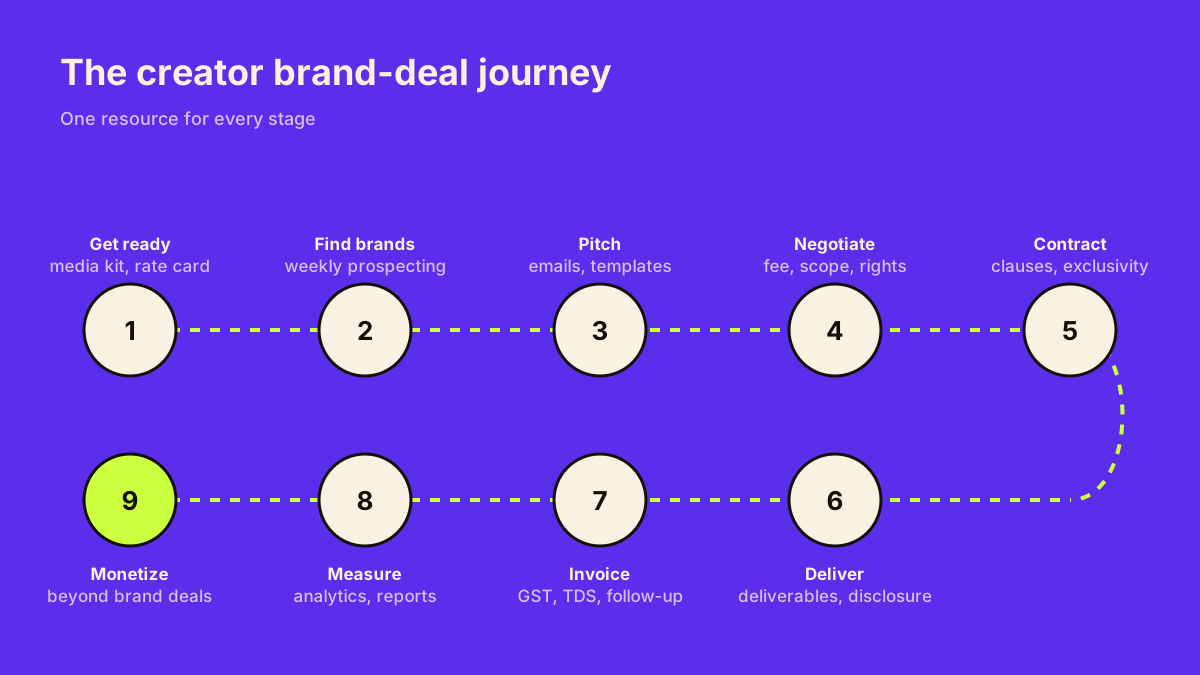
1. Media kit
A two to five page summary of who you are, who your audience is, how your content performs and how to work with you. It's usually the first thing a brand asks for. Keep numbers dated and taken from native insights. Full guide: creator media kit.
2. Rate card
A price list for each format you offer, with add-ons like usage rights, exclusivity, raw footage and extra revisions priced separately. Full guides: influencer rate card for the document, and how much creators should charge for the pricing logic.
3. Portfolio
Your curated best work with context and results, including short case studies. It's what a brand opens when it's choosing between you and two others. Full guide: creator portfolio. UGC creators should also read how to build a UGC creator portfolio.
4. Brand pitch
A repeatable way to research brands, find the right contact and propose a specific idea. Full guides: how to pitch brands as a creator, how to find brands to collaborate with, and, if you're just starting, how to get your first brand collaboration.
5. Collaboration email templates
Saved drafts for the messages you send again and again: cold and warm pitches, follow-ups, negotiation replies and polite declines. Personalise the first line every time. Full guide: 15 brand collaboration email templates.
6. Contract knowledge
You don't need to be a lawyer, but you should understand what each clause in a collaboration agreement means for you, and know when to get professional review. Full guides: influencer contract guide for creators, creator deliverables and creator payment terms.
7. Usage rights position
A clear, consistent answer to "how can the brand use this content?": organic vs paid, duration, territory, media, editing and whitelisting, each priced where it adds value. Full guides: creator usage rights, creator exclusivity, creator content licensing and creator whitelisting.
8. Negotiation approach
A calm, honest method: ask before quoting, adjust scope rather than just price, get payment terms in writing, and know when to walk away. Full guide: how to negotiate brand deals as a creator.
9. Invoice template and process
A consistent invoice with everything a finance team needs, plus a simple record of what's been billed and paid, and an understanding of how GST and TDS affect you. Full guides: how to invoice brands as a creator in India, TDS for creators, GST for creators, and the creator workflow with its downloadable campaign tracker.
10. Analytics and reporting
Knowing which metrics to share, where they come from, and how to present them honestly in pitches and post-campaign reports. Full guides: creator analytics for brand deals, how to calculate engagement rate, engagement rate vs reach and creator case studies.
Two habits that protect everything else
- Check every deal before accepting it. Use the creator brand deal checklist.
- Verify every unexpected offer. Read how to spot fake brand collaboration offers.
Both are short reads: the creator brand deal checklist and how to spot fake brand collaboration offers.
Your kit at a glance
| Resource | Used when | Update |
|---|---|---|
| Media kit | First pitch or reply | Quarterly, or after big changes |
| Rate card | After understanding a brief | Quarterly; add a validity date |
| Portfolio | When a brand is seriously evaluating you | After each strong campaign |
| Pitch process | Weekly prospecting | Review what gets replies monthly |
| Email templates | Every brand conversation | When you find better wording |
| Contract knowledge | Before signing | When you meet a new clause |
| Usage rights position | Quoting and contracting | As your pricing evolves |
| Negotiation approach | Every offer | After each deal |
| Invoice template | On signing and posting | When your tax status changes |
| Analytics and reports | Pitches and post-campaign | Every campaign |
The agreements behind the kit, from management to freelancer contracts, are mapped in creator contracts.
Beyond brand deals
Brand deals are one income stream. Creators with sustainable businesses usually combine them with affiliate income, platform revenue, memberships, digital products and services. Read creator monetization in India for twelve ways to diversify, and the difference between brand-funded, audience-funded, commerce and creator-owned income.
For how these resources come together in a single deal, from enquiry to repeat booking, read the creator brand deals guide. Everything in this kit, organised by stage, is also on the Creator Resources hub.
The kit covers the documents. For the strategy behind them, write a one-page creator business plan, and give everything a permanent home with a creator website.
Once the kit is in place, the next decisions are strategic: see creator business model, creator pricing strategy and creator manager vs agency.