What Should a Brand Include in an Influencer Campaign Checklist?
A complete influencer campaign checklist for brands, phase by phase: readiness, strategy, creator selection, contracts and compliance, briefing and production, approval and go-live, live monitoring and close-out, with market-specific add-ons.
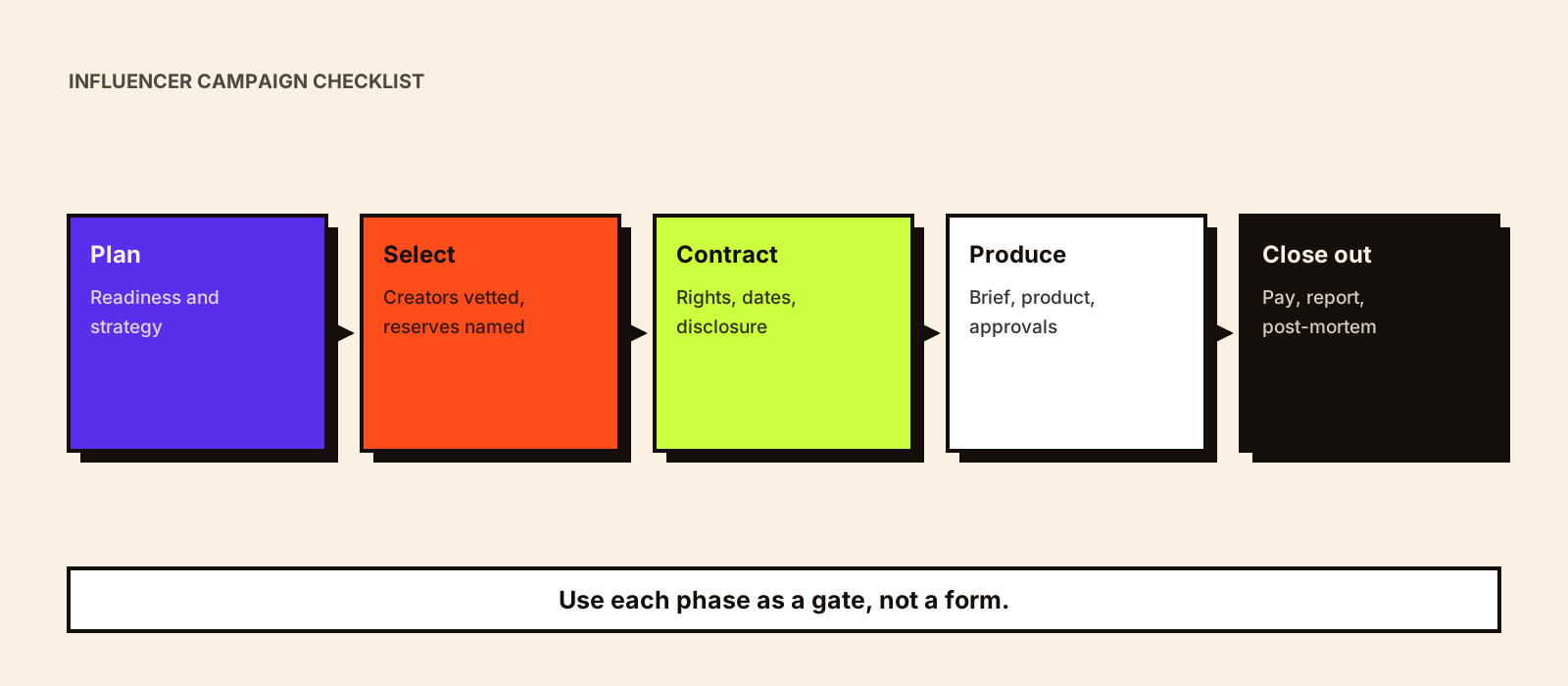
Most campaign problems aren't hard; they're forgotten. Nobody checked the creator's audience was in the right country, the contract didn't mention paid usage, a code wasn't tested, or the product shipped a week late. A checklist won't make a campaign creative, but it stops the predictable mistakes. This one is organised by phase, so you can use the part you need when you need it.
Quick answer
An influencer campaign checklist should cover eight phases: readiness (product, page, tracking, stock), strategy (one objective, KPI, audience, platforms, budget), creator selection (audience fit, authenticity, brand safety, availability), contracts and compliance (deliverables, dates, rights, exclusivity, disclosure, payment), briefing and production (brief, brand kit, product delivery, concepts), approval and go-live (draft review, claims, disclosure, links and codes, live checks), live monitoring (comments, performance, issues) and close-out (payments, insights, rights register, report, post-mortem). Add the local rules for each market you run in.
1. Readiness
- Product delivers on its promise; reviews and returns are under control.
- The page, app or listing creators will send people to converts on mobile.
- Analytics access confirmed; goals or conversions set up.
- Stock and fulfilment can handle a spike during the campaign window.
- Customer service knows the campaign is running and what the offer is.
The full self-assessment is in the influencer marketing readiness checklist.
2. Strategy
- One primary objective and KPI agreed by every stakeholder.
- Target customer described: location, language, age, interests.
- Platforms chosen, each with a job.
- Budget includes non-creator costs: management, rights, product, shipping, production, amplification, contingency.
- Creator count and mix worked out from reach, learning and coverage needs.
- Measurement window and reporting date agreed.
- Project plan written: scope, owners, milestones, risks.
See how to create a successful influencer marketing campaign, how many influencers a campaign needs and what an influencer campaign project plan should include.
3. Creator selection
- Audience location, age and language checked against your customer, with dated insights screenshots.
- Engagement quality reviewed (comments, saves, growth curve), not just engagement rate.
- Recent content reviewed for tone, quality and brand safety.
- Past sponsored posts checked for clear disclosure.
- Conflicts checked: competitor work and existing exclusivity.
- Availability for your dates confirmed.
- Reserve creators approved in case someone drops out.
- Licences or permits checked where a market requires them.
How to vet creators is covered in how to vet influencers.
4. Contracts and compliance
- Deliverables per platform: format, number, dates, local posting time, minimum live period.
- Fees, payment dates, invoicing and tax treatment.
- Usage rights: channels, paid use, duration, territory.
- Exclusivity: category and dates, if any.
- Revision rounds and turnaround times.
- Disclosure: exact label, placement and platform tool.
- Approved claims and anything the creator must not say.
- Ad permissions (partnership ads, Spark Ads) and their duration.
- Cancellation, replacement and what happens if a requirement is missed.
- Data: how creator details are stored and for how long.
Contract terms are covered in influencer marketing contracts, and disclosure rules in influencer marketing compliance.
5. Briefing and production
- Brief sent with objective, key message, must-haves, approved claims, deliverables, dates and disclosure.
- One-page brand kit attached.
- Kickoff held, or a written recap confirmed by each creator.
- Product shipped, delivery confirmed, with time to use it before filming.
- Concepts approved before filming for anything involving claims or risk.
- Links and codes issued per creator and tested.
6. Approval and go-live
- Drafts reviewed against one checklist; feedback consolidated by one person.
- Claims checked against the approved list.
- Disclosure label in the right place, and the platform tool switched on.
- Links, codes, tags and mentions correct.
- Final version approved in writing, with the approved file saved.
- Live posts checked within hours: right version, disclosure, links, posting time.
- Ad permissions granted where agreed.
Draft and go-live checks are detailed in influencer content quality check and creator content approval process.
7. Live monitoring
- Comments monitored and questions answered, with an escalation path for complaints.
- Performance checked against each creator's usual numbers in the first days.
- Best posts flagged for amplification while they're fresh.
- Missed posts or requirements followed up the same day.
- Stock and site performance watched during peaks.
8. Close-out
- Every creator paid on the agreed date.
- Insights screenshots or exports collected from every creator.
- Content library and usage register updated with rights and expiry dates.
- Report delivered against the primary KPI, with creator-level results.
- Post-mortem held; keep, change and test decisions recorded with owners.
- Rebooking decisions made and communicated to creators.
- Files and contracts stored where the next team can find them.
See influencer campaign post-mortem and influencer campaign documentation.
Market add-ons
| Market | Add to the checklist |
|---|---|
| India | Disclosure in line with ASCI's influencer guidelines; qualifications for technical health or finance advice; GST and tax deducted at source on creator payments |
| UAE | The creator's advertiser permit (or visitor permit through an accredited agency); sector approvals for health or financial content; VAT on invoices where applicable |
| Saudi Arabia | The creator's Mawthooq licence where required; Arabic content reviewed natively |
| United Kingdom | Clear 'Ad' labelling as recommended in the ASA and CMA influencers' guide |
| Australia | Disclosure and testimonial rules in the ACCC's guidance for influencers and the AANA Code |
| Singapore | The ASAS guidance on social media and interactive marketing |
Sources: ASCI's influencer guidelines, the ASA's influencers' guide, the ACCC's guidance for social media influencers and ASAS guidance on social media. Market detail is in the GCC influencer marketing playbook, UK influencer advertising rules and Australian influencer advertising rules. Check current rules with counsel for regulated categories.
Who owns the checklist
Give the checklist one owner per campaign, usually the campaign manager on the brand or agency side, and make each phase's items part of a stage gate: the campaign doesn't move to contracts until selection is complete, or to go-live until approval items are ticked. If an agency runs the campaign, ask to see its checklist and agree which items the brand still owns, such as approved claims, product delivery and payments.
Conclusion
A good influencer campaign checklist follows the campaign from readiness to close-out, includes the local rules of every market you run in, and has one owner who uses it as a set of gates rather than a form filled in afterwards. Copy the phases above, cut what doesn't apply, and add the issues your own post-mortems keep finding.