Influencer Campaign Handover: How Brands Can Keep Creator Projects Organized
How to hand over creator campaigns without losing information or goodwill: agency to brand, brand manager to brand manager, marketing to finance and campaign to reporting, with a handover pack, checklist and creator introduction.
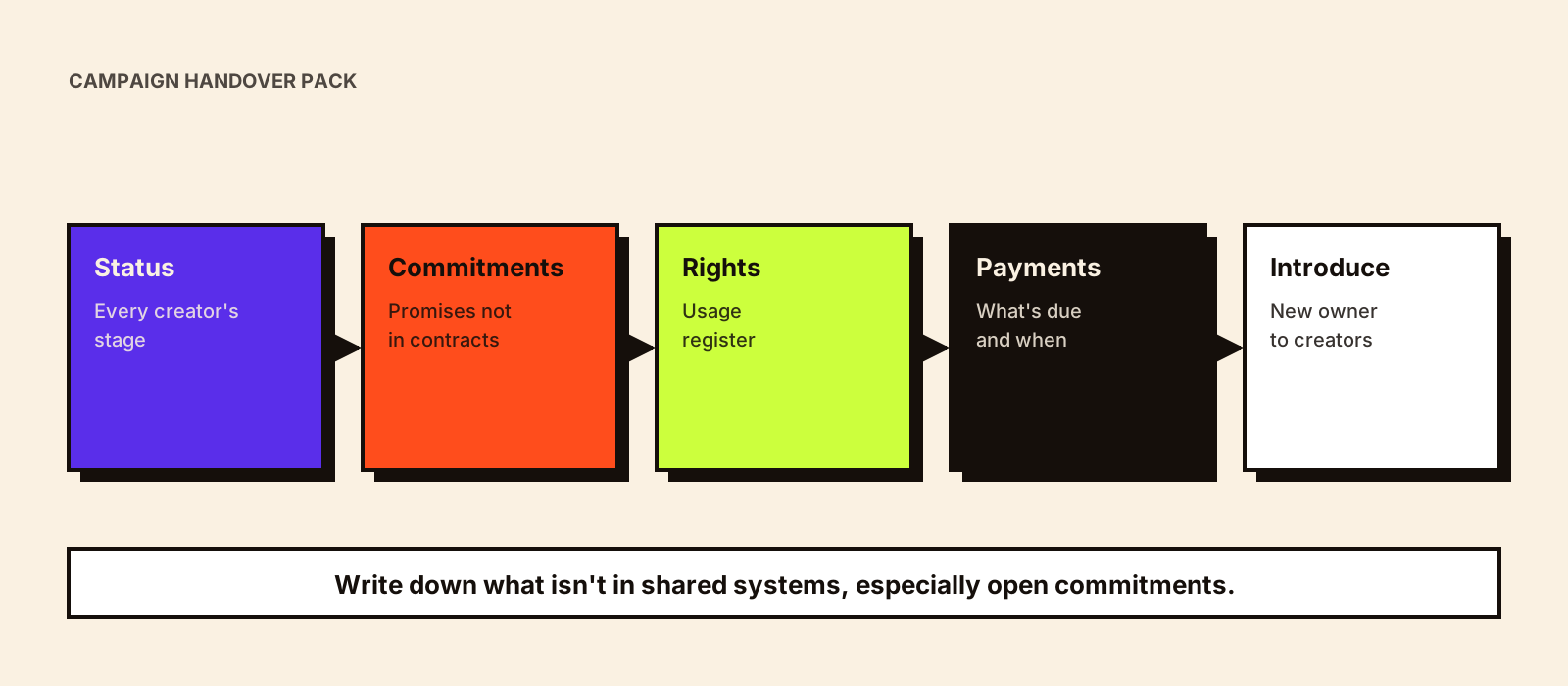
A brand manager leaves mid-campaign. Their replacement inherits a tracker that hasn't been updated, a WhatsApp history they can't see and a creator who was promised something nobody else knows about. Or an agency contract ends and the brand discovers it doesn't have the creators' contacts, the agreements or the rights register. Handovers are where creator programmes lose information and goodwill, and most of it is avoidable.
Quick answer
A good influencer campaign handover transfers a written handover pack (status of every creator, open commitments, dates, agreements, usage rights, payments due, contacts and access), introduces the new owner to each creator, and leaves a short overlap period for questions. The key is that nothing important lives only in one person's inbox or phone, which is why consistent documentation and a shared tracker matter long before anyone leaves.
Common handovers
| Handover | What's most at risk | Focus on |
|---|---|---|
| Agency → brand team | Creator contacts, agreements, rights, history | Contractual data ownership; full export |
| Brand manager → brand manager | Promises in chats; creator relationships | Open commitments; creator introductions |
| Marketing → finance | Payment details and timing | Invoice status; due dates; agreements |
| Campaign manager → reporting team | Capture dates, definitions, tracking | Data dictionary; raw data; context |
| Brand → new agency | Learnings, roster, rights in force | Creator records; usage register; scorecards |
The handover pack
1. CAMPAIGN SUMMARY: objective, status, key dates, budget spent and remaining
2. CREATOR STATUS TABLE: each creator's stage (contracted / briefed / draft / approved / live / paid), next action, due date
3. OPEN COMMITMENTS: anything promised that isn't in an agreement (feedback dates, extra product, bonus discussions, future work)
4. AGREEMENTS: links to signed agreements and amendments
5. USAGE RIGHTS: register with expiry dates and permissions
6. PAYMENTS: what's due, invoice status, vendor setup pending
7. CONTACTS: creators, managers, internal approvers, finance, agency
8. ACCESS: tracker, folders, tools, partnership permissions; what needs transferring
9. RISKS: delays, sensitive issues, creator concerns
10. LEARNINGS SO FAR
The most important section is open commitments. Promises made in calls and chats are what creators remember and what new owners don't know about.
Introduce the new owner to creators
Hi [name], a quick update: I'm moving to [role/team], and [new owner] will be your contact for [campaign] from [date]. They're fully up to date on [your deliverables / feedback due on X / payment scheduled for Y]. Nothing changes in what we've agreed. Thank you for working with us. I've really enjoyed it.
- Send it before the change, not after the creator's message goes unanswered.
- Confirm that agreed terms and dates are unchanged.
- Copy managers where relevant.
- The new owner should follow up personally within a few days.
Agency transitions
- Agree in the agency contract what data and documents the brand receives, in what format, and when.
- Request agreements, usage registers, creator contacts (with consent), scorecards and performance data before the contract ends.
- Clarify which agreements are between creators and the agency vs the brand, and what happens to rights and payments in progress.
- Make sure creators know who their contact is and who will pay them.
Influencer marketing agency onboarding covers the start of an agency relationship; the same data questions apply at the end.
Handover checklist
□ Tracker updated and statuses current
□ Handover pack written, including open commitments
□ Agreements and usage register accessible to new owner
□ Payments due and invoice statuses confirmed with finance
□ Tool and folder access transferred
□ Partnership permissions moved to accounts the brand controls
□ Creators and managers introduced to new owner
□ Overlap period for questions (a few days if possible)
□ Personal chat threads summarised into the record
Make handovers easy before they happen
The best handover is one that needs little preparation because information already lives in shared systems: a current tracker, a consistent campaign folder, a CRM with creator history, and agreements stored centrally rather than in personal inboxes. Influencer campaign documentation and influencer marketing CRM cover those foundations.
Hypothetical example
Hypothetical: a brand manager running an ambassador programme for six creators moves to a new role. Her handover pack lists each creator's next deliverable, a promised early look at an upcoming launch for two of them, a pending rate review for one and three usage rights expiring within a month. She sends introduction messages to all six with the new manager copied and spends two days overlapping. The new manager keeps every promise, renews the rights on time and the creators barely notice the change.
Handing over to reporting and finance
| To | Include |
|---|---|
| Reporting team | Data dictionary, capture dates, tracking links and codes, raw insights, notes on outliers (boosted posts, sale days) |
| Finance | Agreements, payment schedule, invoice status, vendor setup status, TDS treatment agreed, creator contacts for payment queries |
Influencer marketing data covers the data dictionary, and creator payment tracking covers the payment status the finance handover should include.
Common mistakes
- Handing over a tracker without the open commitments.
- Not telling creators their contact has changed.
- Partnership permissions tied to a departing employee's personal account.
- Agency contracts with no data-handover clause.
- New owner renegotiating terms that were already agreed.
Conclusion
Campaign handovers go well when information already lives in shared systems and the departing owner writes down what doesn't: status, open commitments, rights, payments and contacts. Introduce the new owner to creators before the change, and keep agreed terms intact. It protects both the campaign and the relationships behind it.