Influencer Marketing Team Structure: Who Should Own Creator Marketing Inside a Brand?
Where influencer marketing should sit inside a brand and how to staff it: ownership models (brand, social, performance, central team), roles at each stage of maturity, working with performance, legal and finance, agency and freelancer roles, and managing multiple creator vendors.
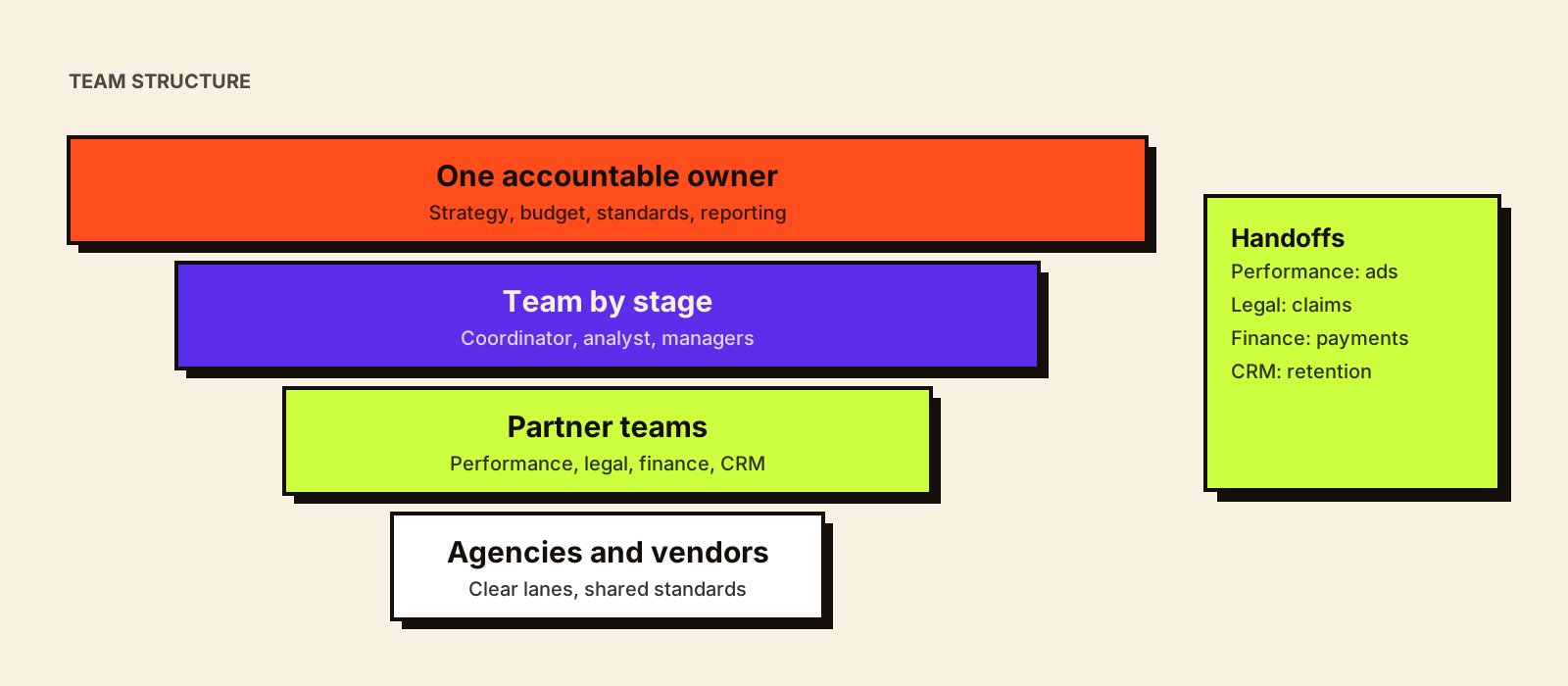
Ask who owns influencer marketing in many Indian brands and you'll hear three answers: social media, brand, and "the growth team, sort of". Split ownership produces predictable problems: creators booked twice, content that can't be used in ads, budgets that nobody can account for. The fix isn't always a new hire; it's a clear owner and clear handoffs.
Quick answer
One person or team should own creator marketing end to end: strategy, budget, creator relationships, execution standards and reporting, even when agencies do the execution. Where it sits depends on the objective: brand or marketing for awareness-led brands, growth or performance for acquisition-led brands, or a central creator team once volume is high. Staff it in stages (an owner, then coordinators and analysts, then specialists), define handoffs with performance, legal and finance, and manage agencies and vendors through one owner with shared standards.
Ownership models
| Model | Works well when | Watch for |
|---|---|---|
| Owned by brand marketing | Awareness, launches, brand building lead | Weak link to acquisition data and ads |
| Owned by social media | Content-led brands, small teams | Treated as posting rather than partnerships |
| Owned by growth or performance | D2C and apps focused on acquisition | Short-term focus; creators treated as ad inventory |
| Central creator team | High volume across products or regions | Distance from category teams' needs |
| Owned by agency, managed by a brand lead | Limited in-house capacity | Brand still needs an accountable owner |
Roles by stage
| Stage | Roles | Typical setup |
|---|---|---|
| Starting | One owner (often part-time), agency or freelancer for execution | Owner sets strategy and approves; partner executes |
| Growing | Creator marketing lead, coordinator, analyst support | In-house relationships, agency for scale and regions |
| Scaled | Lead, campaign managers, creator partnerships manager, content ops, analyst | Always-on program; agencies for regions, UGC or launches |
Skills an in-house team needs, and when agencies or freelancers make more sense, are covered in influencer marketing agency vs in-house and influencer marketing agency vs freelancer.
Handoffs with other teams
| Team | What creator marketing needs from them | What it gives back |
|---|---|---|
| Performance marketing | Media budget and ad account for creator ads | Creator content with paid usage agreed |
| Brand and category teams | Launch calendar, messages, product priorities | Campaigns aligned to their plans |
| Legal and regulatory | Approved claims, contract templates | Consistent terms, fewer ad-hoc reviews |
| Finance | Vendor setup, payment runs, budget tracking | Forecasts and spend reports |
| Customer and CRM | Customer data, owned channels | Content for onboarding and retention |
| Communications | Crisis protocol | Early warning of creator issues |
Managing agencies and vendors
As programs grow, brands often work with several partners at once: a lead agency, regional or UGC specialists, a discovery tool, freelance editors. Managing them well is mostly about standards and visibility.
- One internal owner for all creator vendors, even if category teams brief them.
- Clear lanes: which partner handles which campaigns, regions or formats, so they don't approach the same creators.
- Shared standards in every statement of work: disclosure, contracts, payment timelines, report format.
- A single creator register so everyone sees who has been booked, when and on what terms.
- Quarterly reviews of each partner against agreed metrics and service levels.
The shared standards are set out in influencer marketing governance, and how agencies charge in influencer marketing agency fees in India.
Common mistakes
- Several teams booking creators separately.
- No link between creator marketing and performance, so content can't run as ads.
- Hiring specialists before there's an owner and a plan.
- Agencies with overlapping lanes approaching the same creators.
- No single record of creator relationships.
Conclusion
Creator marketing works best with one accountable owner, a structure matched to your stage and objective, clear handoffs with performance, legal and finance, and partners managed through shared standards and one creator register. Grow the team as volume grows, not before.